Last Updated: October 21, 2026
Last Updated: October 21, 2026





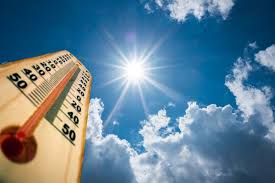
Villagers and farmers across several districts of Arunachal Pradesh say the winter months from January to March felt noticeably warmer than usual this year. Dry soil, reduced rainfall and shrinking water sources were reported across the state. Streams ran low, fields cracked, and many residents say the season no longer resembled a typical winter.
Farmers, horticulture officials and residents say that while some crops adapted to drier conditions performed relatively well, traditional horticulture orchards and water-dependent livelihoods showed signs of stress.
Meteorological observations suggest that this may not be an isolated event. Long-term climate data indicates that temperatures across Arunachal Pradesh have been gradually rising over the past century, pointing to broader regional shifts.
Changing seasons, changing crops Oyin Tayeng, sub-divisional horticulture officer in Pasighat, says the seasonal shift has been noticeable. “This winter felt hotter than usual,” he says, adding that the change was visible even earlier in the year.
“September and October also remained warmer and drier than expected. Normally, we receive rainfall during this period because of the retreating monsoon, but this year there was very little rain.”
The dry conditions had mixed impacts on agriculture. While some crops that prefer drier conditions performed well, traditional horticulture crops struggled. “Because of less rainfall and humidity, some orchards began drying up and the population of harmful pests increased significantly,” Tayeng says.
He adds that although the warmer winter did not drastically reduce productivity, the shift in seasonal patterns is becoming more evident.
“In the past, winter would properly set in around mid-November, and people would start wearing sweaters regularly in December and January. Earlier, the hottest months were mainly June, July and August. Now it feels
Good Evening Viewers! Catch up on the day's biggest stories with The Savera Times Evening Bulletin. Get the...

Congress leaders continued their protest outside the Jaipur Police Commissionerate on Tuesday, demanding the registration of a zero...
On the auspicious occasion of Vijayadashami, Prime Minister Narendra Modi on Tuesday called on the countrymen to unite...
A historic milestone was achieved on Tuesday in the expansion of Chhattisgarh's rail networkA historic milestone was achieved...
Model Shraddha Dubey, one of the main accused in the death of Lucknow businessman Shiv Sharma, has been...
Rashtriya Swayamsevak Sangh (RSS) chief Mohan Bhagwat on Tuesday called for strengthening national unity, social harmony, indigenous practices...
Aries: The day will be auspicious...