Last Updated: October 1, 2026
Last Updated: October 1, 2026





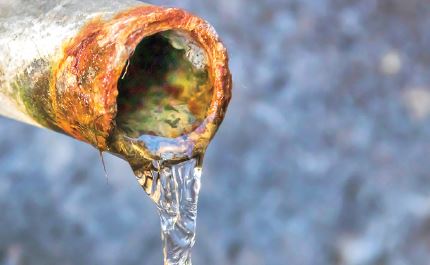
The World Health Organization has issued a stark warning on lead exposure, calling for urgent global action to protect millions of children and adults from its harmful effects. Despite being entirely preventable, lead continues to pose a serious public health threat, affecting communities worldwide.
Lead is found in everyday materials, including paint, batteries, cosmetics, and even some spices. It contaminates air, water, and soil, making exposure persistent and widespread. The toxic metal is linked to approximately 1.5 million deaths each year, mostly from cardiovascular disease. For children, the effects are particularly devastating, causing irreversible neurological and behavioural damage. Young children absorb lead far more efficiently than adults, resulting in reduced IQ, learning difficulties, and behavioural problems. Exposure also threatens developing foetuses, underscoring the urgency of preventive measures.
“There is no safe level of lead. Every child deserves a future free from this poison,” said Dr Ruediger Krech, WHO’s acting Director of Environment, Climate Change, One Health, and Migration. He emphasised that governments, communities, and healthcare providers must act decisively to eliminate exposure and protect future generations.
The warning comes ahead of the 13th International Lead Poisoning Prevention Week, observed from October 19 to 25. While progress has been made, such as phasing out leaded petrol and restricting lead in paints, the WHO stressed that voluntary measures are insufficient. Comprehensive bans on the production, import, sale, and use of lead-based paints must be strictly enforced, particularly to shield children from harm.
Beyond health impacts, lead exposure imposes a significant economic burden. A recent global study, involving researchers from India’s Jadavpur University and the National University of Singapore, estimated that childhood lead exposure costs the world over $3.4 trillion annually in lost economic potential. Low-and middle-income countries are disproportionately affected, as poorly regulated recycling of lead- containing products and rising global demand for electrification compound existing inequalities.
The study highlights that without stronger safeguards, decades of progress in child health could be reversed, particularly in vulnerable communities. WHO and researchers alike emphasise that immediate, coordinated action is needed, combining regulatory enforcement, public awareness, and international cooperation. Lead exposure is entirely preventable, yet millions remain at risk. Experts agree that protecting children and future generations requires more than policy promises—it demands urgent, enforceable action to remove lead from everyday life and safeguard human health globally.
Pakistan is increasingly turning to direct military force in Afghanistan as Islamabad can neither command the government in...

When we examine these claims about higher education and schooling in India, we find that much remains to...
The cases of Christian girls Maria Shehbaz and Aneeqa Ishaq have been reported at a time when Pakistan...

Israel PM Benjamin Netanyahu has claimed that a flydubai pilot wanted to crash the aircraft and praised passengers...

Donald Trump jokingly called Google CEO Sundar Pichai a “monster” during a White House interaction, with Pichai responding...

A spelling error on a White House document linked to Donald Trump’s Super Intelligence initiative has gone viral...
Aries: The day will be auspicious...