Last Updated: October 15, 2026
Last Updated: October 15, 2026





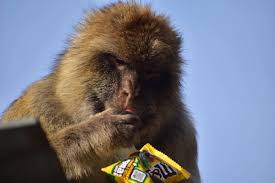
A group of monkeys in Gibraltar has drawn attention for an unusual behaviour that reflects the impact of human habits on wildlife. These monkeys, often seen interacting closely with tourists, have been observed consuming junk food offered by visitors, including sugary drinks and processed snacks.
According to observations reported from the region, the monkeys have also developed a coping response to the effects of such food. They have been seen eating soil, a behaviour believed to help regulate digestive issues caused by unhealthy diets. Scientists suggest that this may be linked to the disruption of gut microbes after consuming processed food, although the intake of soil itself carries risks due to possible contamination.
The situation has raised concern among wildlife observers, as tourists are not permitted to feed the animals. However, enforcement remains inconsistent, and feeding continues to take place despite restrictions. This has contributed to changes in the natural behaviour and diet of the monkeys.
Beyond the immediate ecological concern, the incident has also been interpreted as a reflection of broader human behaviour. The interaction between tourists and animals has created a cycle where human consumption patterns are directly influencing wildlife habits. Experts note that such cases highlight how closely linked human activity and animal ecosystems have become in shared environments.
The monkeys’ adaptation has been viewed by some commentators as symbolic of larger issues related to overconsumption, processed food culture and environmental imbalance. While the behaviour may appear unusual, it underscores how wildlife often responds in unexpected ways to human influence.
Authorities and conservation observers continue to stress the need for stricter control of tourist behaviour and better protection of wildlife habitats to prevent further behavioural changes in the species
Singapore: Two Singapore-registered container vessels were reportedly struck by unknown projectiles while transiting the Strait of Hormuz on...

Shimla: The Himachal Pradesh government has constituted a four-member commission to examine the reorganisation of administrative units in...

New Delhi: The Supreme Court on Wednesday listed for November 17 the appeal filed by self-styled godman Asaram...

Ranchi: Doctors in Jharkhand launched a protest on Wednesday over a slew of demands concerning their safety and...

Greater Noida: Police and Anti-Narcotics Team in Uttar Pradesh’s Greater Noida have seized ‘ganja’ worth Rs 1 crore...

New Delhi: The Enforcement Directorate (ED) has attached assets worth Rs 2,032.81 crore belonging to Reliance Power Ltd...
