Last Updated: September 22, 2026
Last Updated: September 22, 2026





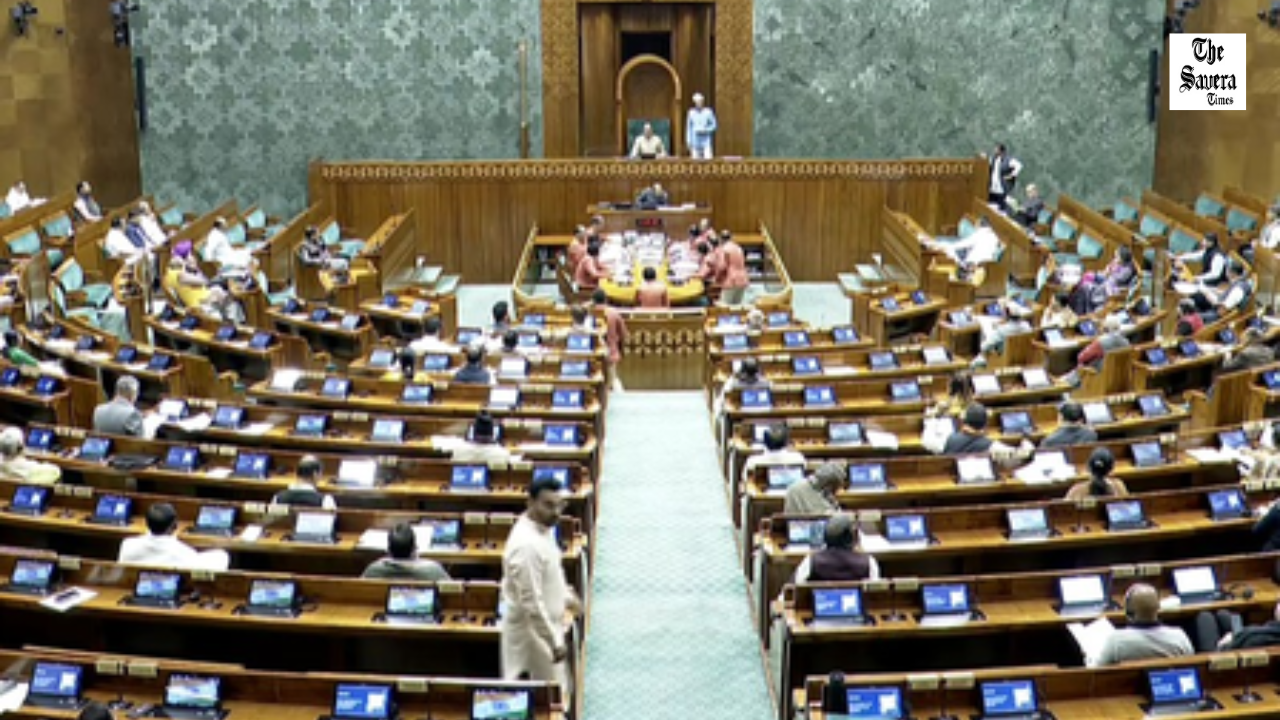
The Lok Sabha on Thursday approved an extension of time for the parliamentary committee tasked with examining the One Nation, One Election legislative proposals. Lawmakers adopted the motion by a voice vote, allowing the panel more time to complete its review of the bills that seek to introduce simultaneous elections for the Lok Sabha and state legislative assemblies.
The Lok Sabha extended the tenure of the parliamentary committee examining bills aimed at introducing simultaneous polls for the Lok Sabha and state legislative assemblies.
Committee Chairman P P Chaudhary moved the motion to extend the Joint Committee on the Constitution (129th… pic.twitter.com/ZADJrjzubD— The Pioneer (@TheDailyPioneer) December 11, 2025
Committee Chairman PP Chaudhary moved the extension motion in the House, seeking extra time for the Joint Committee on the Constitution (129th Amendment) Bill, 2024 and the Union Territories Laws (Amendment) Bill, 2024. The bills were referred to the Joint Parliamentary Committee after being introduced during the 2024 winter session. The tenure has now been extended up to the first day of the last week of the 2026 Budget session to give members more time to deliberate on the complex proposals.
Since its constitution in December last year, the committee has heard from a range of constitutional experts, economists, and legal authorities, including the Chairman of the Law Commission of India, Dinesh Maheshwari. These consultations have explored constitutional, economic, federal, and administrative implications of synchronized electoral cycles before the panel finalizes its report.
The twin bills before the committee aim to amend the Constitution and related laws to allow simultaneous elections popularly known as One Nation, One Election for the Lok Sabha and all state assemblies. Under the proposals, terms of state assemblies would be synchronized to end with the Lok Sabha’s tenure so that all national and state polls could be held together. Proponents argue this would streamline governance, cut poll costs and manpower strain, and reduce frequent election interruptions; critics have raised constitutional and federalism concerns.
The extension granted by the Lok Sabha reflects the complexity and national scope of the proposed reform, requiring detailed legal scrutiny and cross‑party deliberations. While the ruling coalition has championed the reform as a governance‑enhancing measure, some opposition voices have questioned its constitutional soundness and potential effects on the rights of state governments.
A Delhi court has granted interim bail to jailed student activist Sharjeel Imam to attend his cousin's wedding,...

A Delhi court has granted interim bail to Sharjeel Imam from October 4 to 10 so he can...
Congress MP Priyanka Gandhi Vadra raised concerns over women's safety after an alleged minor harassment case in Bihar's...
Stay updated with the top India and world news in The Savera Afternoon Bulletin, featuring the latest breaking...

Salim Dola's arrest has disrupted the Haji Salim narcotics network, with officials saying the cartel has reduced consignment...

The main accused in the alleged harassment of a minor girl and her male companion in Bihar's Jamui...
Aries: The day will be auspicious...