Last Updated: October 12, 2026
Last Updated: October 12, 2026





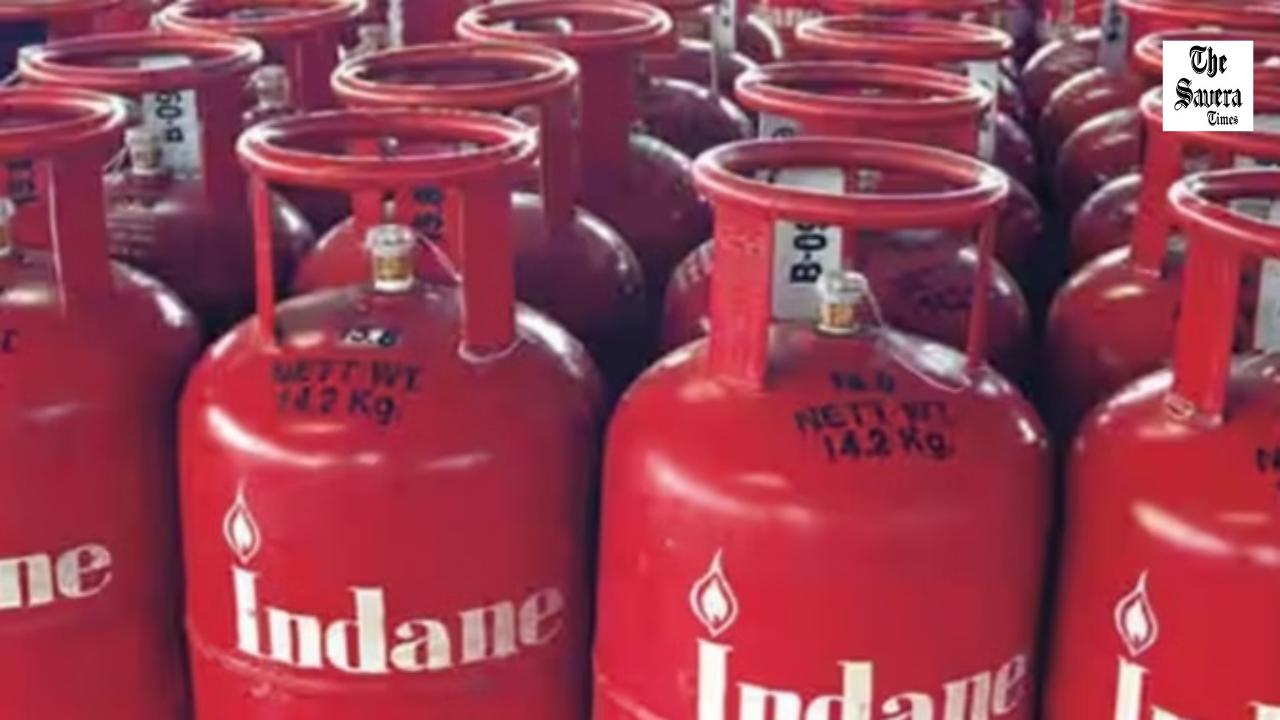
Amid rising global tensions and increasing demand, oil marketing companies in India have introduced new rules for LPG cylinder booking. Under the revised system, consumers will be able to book a refill only after 21 to 25 days from their previous booking, a measure aimed at preventing hoarding and ensuring fair distribution of cooking gas.
The change has been implemented after a sudden surge in LPG bookings triggered by concerns over potential supply disruptions due to the ongoing conflict in West Asia. Oil companies observed an abnormal spike in refill bookings across several regions, prompting authorities to introduce a mandatory lock-in period between bookings.
Officials say the restriction is temporary and meant to maintain a stable supply chain during a period of uncertainty in global energy markets.
The new booking restriction comes at a time when geopolitical tensions in the Middle East have raised concerns about fuel supply. The ongoing conflict involving Iran, the United States and Israel have created uncertainty in global energy markets.
In India, the news of the conflict led to panic booking of LPG cylinders by many households fearing a shortage in the coming weeks. As a result, oil companies reported a significant rise in daily booking numbers.
For instance, distributors reported that in some region’s bookings jumped from the usual around 1 lakh orders per day to nearly 1.5 lakh, placing additional pressure on the distribution network and bottling plants.
To prevent stockpiling and maintain fair access to LPG cylinders, oil companies introduced the mandatory gap between refill bookings.
Along with the new booking rule, LPG cylinder prices have also been increased across the country. The price of a 14.2-kg domestic LPG cylinder has gone up by about ₹60, while the cost of a 19-kg commercial cylinder used by hotels and restaurants has also risen significantly.
In many cities, the price of a domestic cylinder has reached around ₹913 to ₹939, depending on local taxes and distribution costs. Commercial LPG cylinders have crossed ₹1,800 in several markets following the latest revision.
Experts say the price hike is linked to rising global energy prices and disruptions in LPG supply chains due to the conflict in West Asia.
India is one of the world’s largest consumers of LPG and relies heavily on imports to meet domestic demand. According to energy data, around two-thirds of the LPG consumed in India is imported, with a large share coming from Middle Eastern countries.
Any disruption in this region such as conflicts affecting shipping routes or production facilities can have a direct impact on LPG supply and prices in India.
Due to the current geopolitical situation, the government has asked oil companies to increase domestic LPG production and closely monitor stock levels to prevent shortages.
Oil companies have also issued guidelines to LPG distributors to prevent black marketing and hoarding of cylinders. Dealers have been instructed to supply cylinders only against valid bookings and OTP verification sent to the consumer’s registered mobile number.
This step aims to ensure that cylinders are delivered only to genuine customers and that stockpiling by individuals or dealers is avoided.
The new booking rule and price increase are expected to affect both households and businesses. Many families rely on LPG for daily cooking, and the higher price may increase monthly household expenses.
Small businesses such as restaurants, street food vendors and catering services may also face higher operating costs due to the rise in commercial LPG prices.
Experts warn that if global energy tensions continue, fuel prices could remain volatile in the coming months.
Despite concerns, officials have assured that there is no immediate shortage of LPG cylinders in the country. Oil companies and government agencies are closely monitoring supply chains and international developments to ensure that domestic consumers continue to receive uninterrupted service.
Authorities have also urged citizens not to panic or hoard cylinders, stating that the booking restriction is intended only to stabilise supply and prevent misuse.
Uttar Pradesh Chief Minister Yogi Adityanath extends greetings on the second day of Shardiya Navratri, dedicated to Maa...

Uttar Pradesh CM Yogi Adityanath and Union Minister Nitin Gadkari greet people on the first day of Sharadiya...

Pauri: A woman was killed in a leopard attack near Khandah village on the Srinagar-Pauri road in Uttarakhand’s...

Lucknow: The Uttar Pradesh Cabinet on Friday approved a number of proposals, including continuation of the scheme to...
Uttar Pradesh Chief Minister Yogi Adityanath announces that Noida International Airport at Jewar will be renamed after Prime...
An IndiGo flight from Patna to Lucknow was struck by lightning at around 17,000 feet amid bad weather....

Aries: The day will be auspicious...