Last Updated: October 21, 2026
Last Updated: October 21, 2026





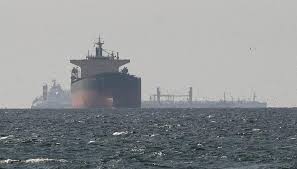
New Delhi: India is increasingly turning to the United States to secure supplies of liquefied petroleum gas (LPG) as disruptions in the Strait of Hormuz continue to affect energy shipments amid the escalating conflict in West Asia. The situation has forced Indian authorities and refiners to seek alternative sources to maintain a steady supply of cooking gas across the country.
The Strait of Hormuz, one of the world’s most crucial maritime chokepoints for energy trade, has witnessed major disruptions due to rising hostilities in the region. The strait normally handles a significant portion of global oil and gas shipments, and tensions have caused shipping traffic to decline sharply as companies avoid the high-risk zone.
India is particularly vulnerable to such disruptions as it depends heavily on imports to meet domestic LPG demand. Nearly 60 percent of the country’s LPG requirements are met through imports, with a large share traditionally coming from Gulf producers such as Saudi Arabia, Qatar, and the United Arab Emirates. As supply routes through the Gulf remain uncertain, Indian companies have started increasing purchases from the United States to bridge the gap.
Energy analysts say shipments of LPG from the US to India have risen in recent weeks as the government and refiners scramble to stabilise supplies and prevent shortages in the domestic market. The move is part of a broader effort by New Delhi to diversify energy sources and reduce dependence on a single region during periods of geopolitical instability.
The crisis has also highlighted India’s structural dependence on imported LPG. Domestic production meets only about 40 percent of the country’s consumption, making international supply routes critical for ensuring availability of cooking fuel for millions of households.
Officials are closely monitoring the situation while exploring alternative supply chains and boosting domestic output. However, experts warn that prolonged disruptions in the Strait of Hormuz could continue to affect India’s energy security and push up prices of LPG and other fuels in the coming months.
The Food Safety and Standards Authority of India (FSSAI) has issued notices to four companies, including the fast-track...
CJP leaders Saurav Das and Ashutosh Ranka are due to appear before a Special Executive Magistrate at 2...

Stay updated with The Savera Morning Brief, bringing you the top headlines from India and around the world,...

The DRI seized 137 kg of suspected crystal methamphetamine worth over Rs 100 crore in Nagapattinam, Tamil Nadu....
Catch the latest developments with The Savera Afternoon Bulletin, featuring top headlines from India and around the world,...

Hyderabad: A female student died, and at least 16 others were injured when a lighting truss collapsed during...

Aries: The day will be auspicious...