Last Updated: October 21, 2026
Last Updated: October 21, 2026





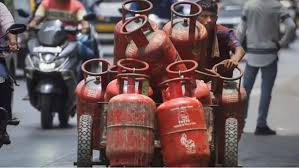
The global supply chain disruptions caused by the escalation of the US-Israel and Iran wars and the ongoing Russia-Ukraine conflict have had their first impact on India and Punjab. Government oil companies have increased the price of a 14.2-kg domestic gas cylinder by Rs60 and the price of a 19-kg commercial gas cylinder by Rs115, effective Saturday, March 7th. These price increases will impact the budget of ordinary households and will also result in higher food prices in hotels and restaurants.
While petrol prices remain unchanged in India, the price has risen by Rs10 per barrel in the international market. This is having a direct impact in Europe, as high prices and a shortage of petrol are leading to long queues of motorists outside petrol pumps.
Meanwhile, Bharat Petroleum has said that there is no need to panic and avoid crowding outside petrol pumps, as India has sufficient reserves and will not face a shortage in the near future. The reason for this is that the United States has granted India a 30-day exemption to purchase oil from Russia. This permission applies only to petrol containers stranded at sea or previously placed purchase orders.
Russia has stated that India can purchase as much crude oil as it wants, but the figures will be kept confidential. The question is: why haven’t we been able to address the shortage of LPG, a daily necessity for cooking? Why hasn’t a solution been found for the shortage of CNG and PNG, used for fuel and other purposes? These gases are also used in fertilizer, aluminum, and steel production.
Russia is ready to supply these gases, but the problem is that this gas comes in cryogenic tankers and requires special terminals to convert it into gas. Now, a large number of them cannot be made available all at once, which is why gas supplies have been disrupted and prices have skyrocketed. Statistics indicate that the shortage of LPG, used for cooking in India’s 330 million households, has deepened. If the war continues for a long time, it will further disrupt the global supply chain, affecting both public life and industry. This situation can only be called the adverse effects of war.
Good Evening Viewers! Catch up on the day's biggest stories with The Savera Times Evening Bulletin. Get the...

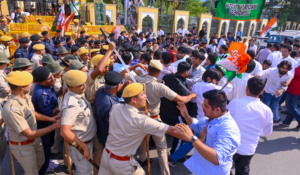
Congress leaders continued their protest outside the Jaipur Police Commissionerate on Tuesday, demanding the registration of a zero...
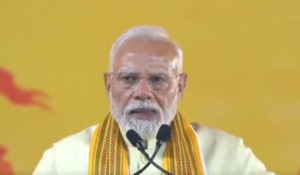
On the auspicious occasion of Vijayadashami, Prime Minister Narendra Modi on Tuesday called on the countrymen to unite...
A historic milestone was achieved on Tuesday in the expansion of Chhattisgarh's rail networkA historic milestone was achieved...

Model Shraddha Dubey, one of the main accused in the death of Lucknow businessman Shiv Sharma, has been...

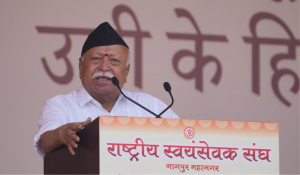
Rashtriya Swayamsevak Sangh (RSS) chief Mohan Bhagwat on Tuesday called for strengthening national unity, social harmony, indigenous practices...
Aries: The day will be auspicious...