Last Updated: October 24, 2026
Last Updated: October 24, 2026





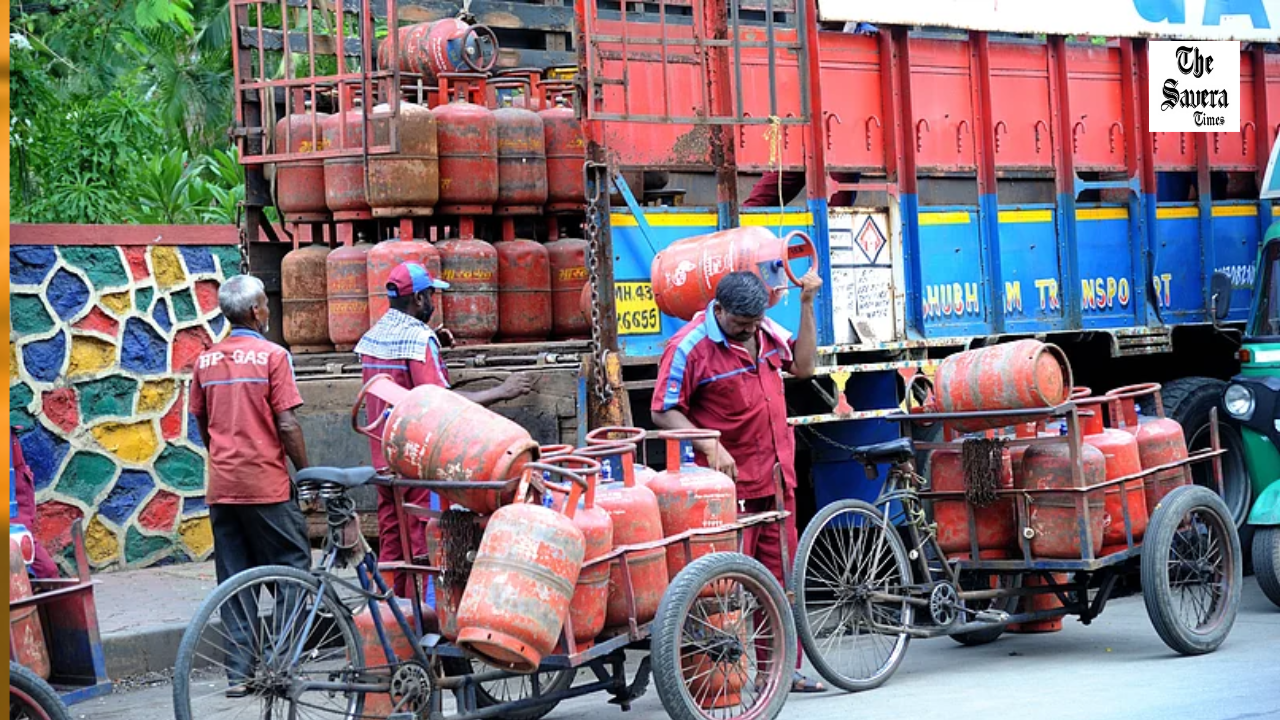
Restaurants and hotels across India are facing a severe shortage of cooking gas after the ongoing conflict in West Asia disrupted global energy supply chains. The shortage of commercial Liquefied Petroleum Gas (LPG) cylinders has forced many eateries to reduce their menus, switch to alternative cooking methods, and in some cases temporarily shut down operations.
Industry leaders warn that if the disruption continues, it could significantly impact the hospitality sector, which employs millions of workers across the country.
The crisis has been triggered by escalating tensions in West Asia, particularly involving Iran, Israel and the United States. The conflict has affected shipping routes and energy supplies in the region, especially through the Strait of Hormuz, a crucial route for global oil and gas shipments.
India depends heavily on imported LPG to meet domestic demand. Nearly 60–62% of the country’s LPG requirement is imported, much of it from Gulf countries such as Qatar, Saudi Arabia and the United Arab Emirates.
As shipments from the Middle East have slowed or been disrupted due to the conflict, supplies to commercial users like restaurants have tightened sharply.
The shortage has had an immediate impact on restaurant kitchens across major cities including Mumbai, Bengaluru, Chennai, Delhi and Kolkata.
Many eateries rely almost entirely on LPG cylinders for cooking. According to industry estimates, around 80% of restaurants in India depend on LPG, while only a small percentage have access to piped natural gas connections.
As gas supplies become scarce, several restaurants have begun cutting down on dishes that require long cooking times such as biryani, Chinese food and deep-fried items. Some establishments are introducing “crisis menus” that include dishes requiring less fuel.
In cities like Chennai, some small eateries have already shut down temporarily because they were unable to secure fresh LPG cylinders.
To cope with the crisis, restaurant owners are adopting various alternative solutions. Many kitchens have started using induction cooktops, electric griddles and rice cookers as temporary substitutes for LPG.
However, these alternatives cannot fully replace gas-based cooking. Several dishes require high-pressure burners that electric appliances cannot easily replicate. As a result, restaurants are struggling to maintain their usual menu and service standards.
Industry representatives say that restaurants operate on tight monthly cash flows, with expenses such as rent, salaries and licensing fees continuing regardless of disruptions.
The shortage has also been intensified by government measures to ensure adequate LPG supply for households. Authorities have prioritised domestic cooking gas distribution to protect consumers during the global energy disruption.
Under emergency measures, oil refiners have been asked to maximise LPG production and divert supply toward domestic consumers rather than commercial sectors.
While this policy ensures household cooking needs are met, it has reduced availability for restaurants and other commercial users.
Industry bodies warn that the ongoing shortage could lead to job losses and higher food prices if it continues for a prolonged period. India’s restaurant sector supports millions of workers, including chefs, delivery staff, waiters and vendors.
Higher fuel costs and limited gas supplies could force restaurants to increase menu prices, which may reduce customer spending on dining out.
Experts also warn that the crisis could affect food delivery platforms and related businesses if restaurant operations slow down.
The future of LPG supplies in India largely depends on how quickly the geopolitical situation in West Asia stabilises.
If energy shipments resume normal operations, gas supply chains could recover within a few weeks. However, prolonged conflict could continue to disrupt fuel shipments and create further challenges for the hospitality industry.
For now, restaurants across India are bracing for continued uncertainty while exploring ways to keep their kitchens running despite the LPG crunch.
Ludhiana, Punjab: In a shocking incident in Ludhiana, a group of miscreants allegedly barged into a house and...

Amaravati: At least five people were killed on Saturday after a fire broke out at a road construction...

Uttar Pradesh: The road to a seat-sharing agreement between the Samajwadi Party (SP) and Congress appears challenging ahead...

New Delhi: Congress Parliamentary Party (CPP) Chairperson Sonia Gandhi has shared a video on social media recalling how...

Jaipur: Three people were killed and 18 others injured when a Traveller van carrying devotees from Maharashtra rammed...

New Delhi: India and Uzbekistan discussed strengthening bilateral cooperation across various sectors, including counter-terrorism, the Ministry of External...

Aries: The day will be auspicious...