Last Updated: October 20, 2026
Last Updated: October 20, 2026






In our country, buying gold on Akshaya Tritiya or other festivals is considered auspicious. Looking back, it appears that buying as much gold as possible and storing it in treasuries for financial security has been a practice not only for ordinary families but also for governments.
The recent surge in gold prices and the average returns it has generated have transformed the entire mathematics of this business. Currently, not only ordinary people but also governments and central banks are empowering themselves by purchasing gold. Bank deposits, stock market investments, and mutual fund returns are lagging behind, while gold continues to deliver robust returns.
Central banks around the world are purchasing more than 1,000 tons of gold annually.
This pace has increased over the past decade. This trend has gained further momentum after the Iran-US war. Now, experts say that if oil prices remain high, the problem of global inflation could persist for a long time. This situation could also increase the price of gold.
Currently trading at $4,831 per ounce, gold could reach $5,500-5,600 per ounce by the end of the year.
This means that while traditional investments offer returns of 7 to 9 percent, gold’s returns could reach 16 percent. Demand for gold will remain unchanged. The Reserve Bank of India is bringing back its gold from London and increasing its value. Meanwhile, China has ordered its insurance companies to invest 1 percent in gold.
This is happening in countries around the world. As for Indians, they have always sought security in gold, and even today, their passion for gold remains undiminished. Investment experts consider this investment to be unproductive and passive, contributing to the country’s growth rate with no immediate impact
Good Evening Viewers! Catch up on the day's biggest stories with The Savera Times Evening Bulletin. Get the...

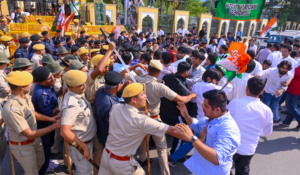
Congress leaders continued their protest outside the Jaipur Police Commissionerate on Tuesday, demanding the registration of a zero...
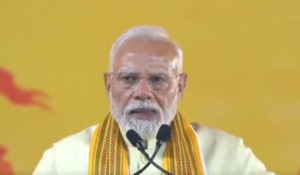
On the auspicious occasion of Vijayadashami, Prime Minister Narendra Modi on Tuesday called on the countrymen to unite...
A historic milestone was achieved on Tuesday in the expansion of Chhattisgarh's rail networkA historic milestone was achieved...

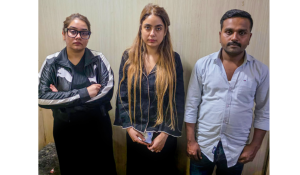
Model Shraddha Dubey, one of the main accused in the death of Lucknow businessman Shiv Sharma, has been...
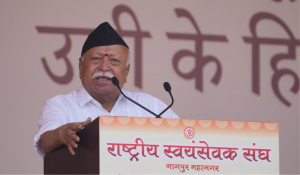
Rashtriya Swayamsevak Sangh (RSS) chief Mohan Bhagwat on Tuesday called for strengthening national unity, social harmony, indigenous practices...
Aries: The day will be auspicious...