Last Updated: October 12, 2026
Last Updated: October 12, 2026





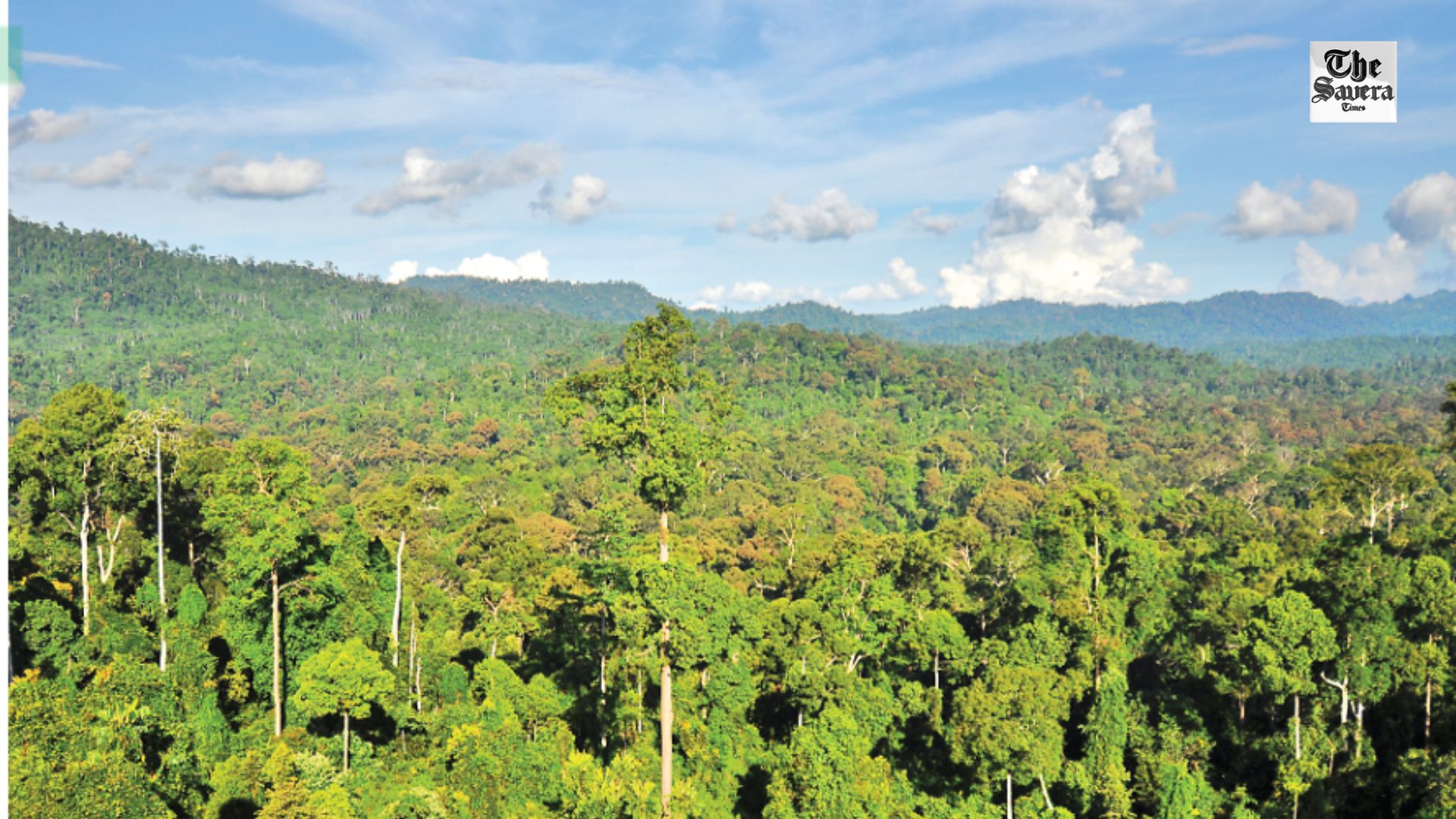
A recent UN report has revealed growing demand for fuelwood (woodfuel and charcoal) is accelerating forest loss across parts of Africa and Asia, even as countries expand restoration and afforestation programmes. Calling for forests to remain central to global policy and investment decisions, the Global Forest Goals Report 2026, launched during the 21st session of the United Nations Forum on Forests, warned that the world lost more than 40 million hectares of forests between 2015 and 2025, driven largely by agricultural expansion and rising demand for fuelwood. The report, prepared by the UN Department of Economic and Social Affairs and the UN Forum on Forests Secretariat, assessed progress towards the Global Forest Goals set for 2030. It found that forests worldwide shrank from 4.18 billion hectares in 2015 to 4.14 billion hectares in 2025, representing an annual net loss of 4.12 million hectares. South America recorded the steepest decline, losing 4.1 million hectares annually, while Africa lost nearly 3 million hectares every year. Agricultural expansion remained the biggest cause of deforestation globally. However, the report identified growing demand for woodfuel, including fuelwood and charcoal, as a major contributor to forest degradation, particularly across sub-Saharan Africa and parts of Asia. “Demand for woodfuel (fuelwood and charcoal) is a major driver of forest loss and degradation,” the report stated, linking the trend to population growth, energy demand and limited access to cleaner alternatives. The report linked dependence on fuelwood to poverty and inadequate access to clean energy. In many low-income regions, fuelwood remains the primary source of cooking and heating fuel, placing additional stress on nearby forests. Weak governance, insecure land tenure, illegal trade and limited institutional capacity were also identified as barriers to sustainable forest management. The assessment concluded that the world remains “off track” in reversing forest loss by 2030 despite ongoing restoration and conservation programmes. Primary forests, which are crucial for biodiversity conservation and carbon storage, also continued to decline. The world lost 16 million hectares of primary forests during the decade, with South America accounting for the largest share of losses. The report showed that climatelinked pressures such as droughts, wildfires, heatwaves, pests and diseases are intensifying forest degradation. While countries have introduced wildfire prevention systems, forest monitoring tools and reforestation drives, these actions are not keeping pace with the scale of climate impacts. Li Junhua, Under-SecretaryGeneral for the UN Department of Economic and Social Affairs, said stronger global commitment would be necessary to meet forest goals by 2030.
The Royal Swedish Academy of Sciences on Monday announced the 2026 Nobel Prize in Economics to American economists...

A Sudanese rights group says at least 72 gold miners were killed in an air strike near the...

US President Donald Trump is scheduled to attend the ASEAN summit in Manila on November 16 before travelling...

An Indian national injured in the October 10 attack on Riyadh’s King Khalid International Airport has died, taking...

Ukrainian President Volodymyr Zelenskyy says he was unaware of Donald Trump’s announcement of an immediate energy ceasefire between...

Colombian businessman Alvaro Pulido Vargas has been arrested in Florida over two US federal cases involving alleged bribery...

Aries: The day will be auspicious...