Last Updated: October 21, 2026
Last Updated: October 21, 2026






Volunteer tourism, or “voluntourism,” is reshaping the way people travel, combining adventure with social impact. Across the globe, travelers are increasingly seeking opportunities to contribute to communities, the environment, and local development while exploring new destinations. One of the most impactful aspects of voluntourism is its contribution to local communities. Travelers engage in projects such as building schools, teaching languages, supporting healthcare initiatives, and assisting in conservation efforts.
In countries like Nepal, Costa Rica, and Kenya, voluntourists help address urgent local needs while sharing knowledge and skills, fostering sustainable development and community resilience.Environmental conservation is another positive outcome. Many voluntourism programs focus on protecting ecosystems, wildlife, and natural resources. Volunteers plant trees, clean beaches, monitor wildlife populations, and participate in ecological research. In Australia, programs protecting the Great Barrier Reef allow travelers to contribute to coral restoration, combining adventure with hands-on environmental stewardship.Personal growth is a key motivation for participants. Engaging in volunteer projects abroad fosters empathy, adaptability, and intercultural understanding.
Travelers develop problem-solving skills, leadership abilities, and a sense of responsibility toward global communities. These experiences often inspire lifelong commitments to service, environmental advocacy, or sustainable living.Voluntourism also strengthens global connections. Working alongside local residents and fellow travelers fosters mutual respect, cultural exchange, and collaborative problem-solving. Projects that involve teaching, healthcare, or environmental protection create lasting relationships, leaving a meaningful impact on both volunteers and host communities.Economic benefits flow to local areas as well. Unlike conventional tourism, voluntourism often channels funds directly into communities through accommodation, local transportation, food, and project-related purchases. This sustainable model supports small businesses, encourages local entrepreneurship, and ensures that tourism contributes to genuine community development. Education and awareness are additional advantages.
Start your day with The Savera Morning Brief, bringing you the latest news from India and around the...

Union Home Minister Amit Shah will pay tribute to police martyrs at the National Police Memorial in New...

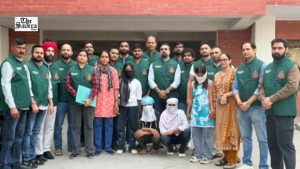
Four more people, including two women, have been arrested in the Tiger Shroff firing case. Delhi Police are...
We are very proud that at present India is the number one country in the world by surpassing...

Every investor wants the wealth-creating power of equity and the reassuring stability of debt. Balanced Advantage Funds attempt...

Tourism is a major source of government revenue in our country. There are different types of tourism. Scenic...

Aries: The day will be auspicious...