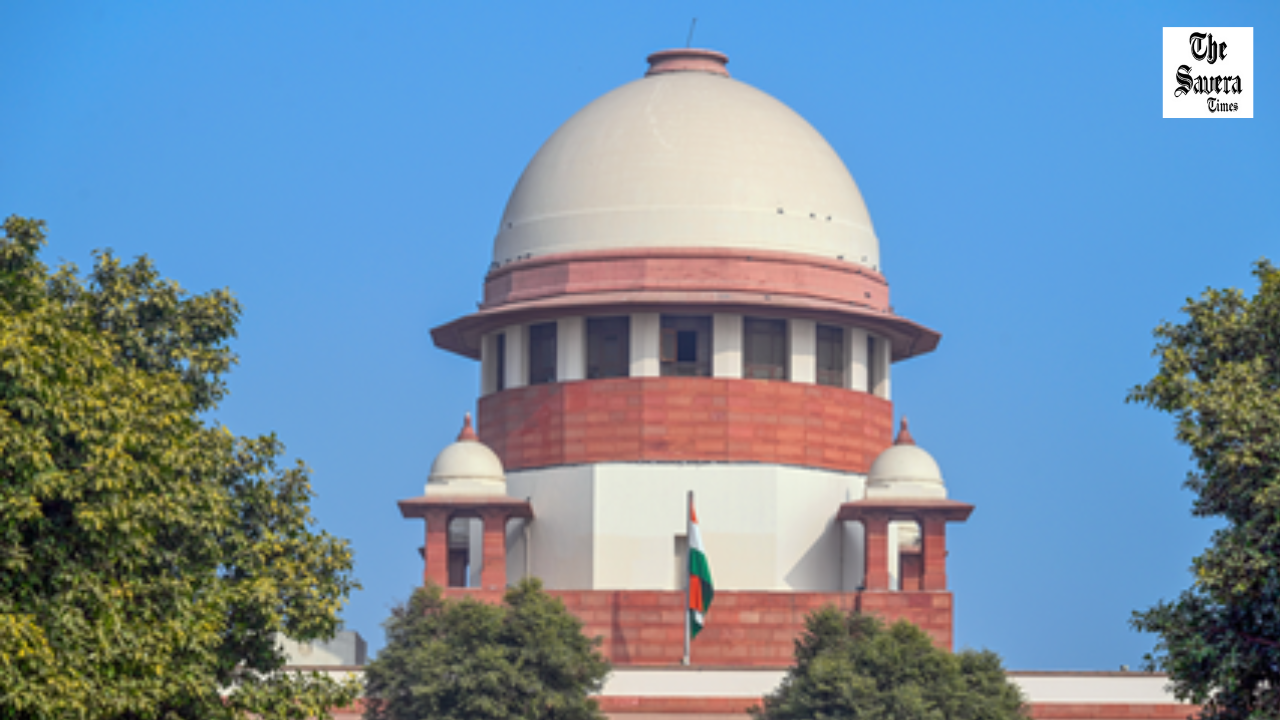
The Supreme Court is set to hear a petition filed by Mamata Banerjee, the Chief Minister of West Bengal, challenging the ongoing Special Intensive Revision (SIR) of electoral rolls in the state. The hearing is scheduled before a bench led by the Chief Justice of India along with other judges of the apex court.
The plea has been filed ahead of the upcoming state assembly elections and questions the legality of the revision process carried out by the Election Commission of India. Banerjee and leaders from the ruling Trinamool Congress (TMC) have alleged that the exercise could lead to large-scale deletion of voters from the electoral rolls.
Challenge to Special Intensive Revision (SIR)
The Special Intensive Revision is a process undertaken by the Election Commission to verify and update voter lists by removing duplicate or ineligible entries and adding eligible voters. However, Banerjee has argued that the manner in which the revision is being conducted in West Bengal is problematic and could potentially disenfranchise many voters.
In her petition, she has accused the Election Commission of adopting an “authoritarian approach” and acting with political bias. The TMC leadership claims that the process may disproportionately affect marginalised communities and migrant voters whose documentation might not match perfectly in official records.
Concerns Over Voter Name Deletions
Banerjee has also sought interim relief from the court to prevent the Election Commission from deleting names from the voter list during the ongoing revision exercise. She has urged the Supreme Court to ensure that no eligible voter is deprived of the right to vote while the legal challenge remains pending.
According to the petition, many voters have reportedly been placed under categories such as “logical discrepancy,” which could lead to their names being removed from the rolls. The West Bengal government fears that such actions could affect thousands of voters across the state.
Political Reactions Intensify
The issue has sparked a major political debate in West Bengal. Leaders of the ruling TMC have backed Banerjee’s move, stating that the voter verification drive may be used as a political tool ahead of elections.
On the other hand, leaders from the Bharatiya Janata Party have criticised the petition and accused the state government of attempting to obstruct a legitimate voter verification process. Some BJP leaders claim the revision is necessary to remove illegal or duplicate entries from electoral rolls.
Significance Ahead of 2026 Elections
The Supreme Court’s decision on the matter is expected to have significant implications for the upcoming 2026 West Bengal Legislative Assembly election, which is scheduled to take place later this year.
The voter roll revision is considered a crucial step before elections, as accurate electoral lists ensure fair and transparent voting. However, disputes over voter eligibility and alleged political bias have made the issue highly sensitive in the politically charged environment of West Bengal.
What Happens Next
During the hearing, the Supreme Court may examine the legality of the SIR process and consider whether interim directions are needed to safeguard voters’ rights. The court may also seek responses from the Election Commission and other parties involved in the dispute.
The outcome of the hearing could shape the course of electoral preparations in West Bengal and influence the political narrative in the run-up to the assembly elections.
As the case unfolds, all major political parties and election observers will closely watch the Supreme Court’s stance on the contentious voter roll revision exercise.