Last Updated: October 20, 2026
Last Updated: October 20, 2026





Punjab has suffered too deeply from past cycles of militancy and retribution. Turning accused killers into electoral symbols risks dragging the state back into that abyss.
In Punjab, where fields of wheat still whisper with memories of Partition and militancy, the line between resistance and retribution has always been perilously thin. On September 30, Tarsem Singh — father of jailed MP Amritpal Singh — crossed that line. By announcing support for Sandeep Singh Sunny, an accused murderer, in the Tarn Taran by-election, Tarsem transformed a criminal trial into a political platform.
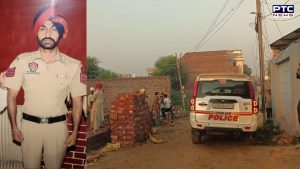
Sunny is not an ordinary candidate. He is on trial for the brazen daylight assassination of Shiv Sena leader Sudhir Suri in 2022, and was recently implicated in the fatal assault of a former Punjab cop inside jail. To project him as a symbol of Sikh defiance is to cloak bloodshed in the language of martyrdom.
The dangerous romance of “justice by gun”
This is not the first time Punjab has been tempted by the politics of vengeance. During the insurgency of the 1980s and ’90s, targeted killings of Hindus and allegations of fake police encounters created a cycle of retaliation that claimed more than 20,000 lives. The scars remain fresh: Sikh families who lost sons in extrajudicial killings; Hindu families who fled villages in fear.
Proponents of Sunny frame his violence as justice denied. They argue that Suri’s killing avenged sacrilege against the Guru Granth Sahib, and that the jail assault on Suba Singh — a former cop convicted in fake encounter cases — was poetic justice. In their telling, Sunny channels the anger of Punjab’s youth, frustrated by drugs, unemployment and neglect.
But this logic collapses under scrutiny. Endorsing Sunny normalises vigilantism in a state that has barely emerged from its last round of bloodletting. It risks alienating Hindu minorities who have lived in fragile peace with Sikhs for decades, and it sends the message that democratic institutions — courts, legislatures, elections — are secondary to violence.
The peril of communal sparks
Punjab’s communal balance is delicate. The land was torn apart in 1947, soaked again in 1984, and scarred by the decade-long militancy that followed. Today, surveys show strong Sikh-Hindu goodwill. But memories of betrayal linger just beneath the surface. In such a state, elevating an accused assassin to electoral prominence is not symbolism; it is arson.
It risks reviving old insecurities: Hindu families wondering if Punjab is safe for them; Sikh families divided over whether violence is ever justified. It also risks inviting cross-border mischief. Pakistan’s intelligence agencies have long exploited Punjab’s wounds, financing and fuelling separatist sentiment. Each glorified killing gives them fresh propaganda.
Amritpal Singh’s squandered opportunity
The irony is that Amritpal Singh’s unlikely rise could have marked a pivot away from militancy. Detained under the National Security Act, he still won the Khadoor Sahib Lok Sabha seat in 2024. Escorted from jail to take his oath in Parliament, he pledged allegiance to the Indian Constitution — a moment many read as the beginning of constitutional activism.
But his father’s endorsement of Sunny undermines that promise. It suggests a reversion to militancy’s playbook: manufacture martyrs, rally the aggrieved, and exploit electoral platforms to legitimise violence. If Amritpal’s future was to be defined by constitutional struggle, his father’s move risks burying that possibility.
What Punjab needs instead
Punjab does not need more martyrs made from murder. It needs leaders who will fix collapsing embankments after floods, address drug addiction hollowing out villages, and secure fair water rights with Haryana. It needs candidates who can channel Sikh grievances into legal, democratic, and constitutional frameworks — not men whose legitimacy rests on bloodied hands.
The Sikh tradition itself offers this compass. The doctrine of miri-piri teaches that temporal power must be exercised with spiritual restraint. Guru Tegh Bahadur’s martyrdom was not about vengeance but about defending freedom of conscience. To equate that legacy with targeted killings is to distort Sikhism’s core.
A referendum on Punjab’s future
The Tarn Taran by-election is more than a contest for a seat. It is a test of Punjab’s collective memory and moral compass. Will voters reward a politics that dresses up killers as heroes? Or will they insist that Punjab’s future lies in healing, not reopening wounds?
Tarsem Singh’s gambit may deliver a symbolic victory. But the cost would be steep: renewed suspicion between communities, emboldened radicals across the border, and a distraction from the state’s real crises — ecological collapse, youth despair, economic strain.
Punjab has already paid too high a price once. It cannot afford to gamble again on the politics of the gun.
Choosing redemption over revenge
The people of Punjab have shown resilience before. They united during the farmers’ protests, bridging religious divides against a common injustice. They rallied in the floods, helping each other across villages and faiths. That solidarity is Punjab’s true strength.
Rejecting the glorification of killers is not betrayal of Sikh sentiment; it is fidelity to its truest spirit — one that upholds justice without abandoning compassion. The real shaheeds are not those who shoot unarmed men but those who face injustice unarmed, those who die defending faith and dignity without spilling innocent blood.
The Tarn Taran election can either be remembered as the moment Punjab slid back into the shadow of martyrdom, or the moment it chose redemption. The choice is stark, and the stakes are nothing less than Punjab’s peace and India’s unity.
Punjab Chief Minister Bhagwant Mann was allegedly detained for three hours at Delhi airport upon his return from...
The Punjab Vigilance Bureau (VB) during its ongoing drive against corruption in the state, has apprehended Inspector Gulshan...
Chief Minister Bhagwant Mann may soon hold a press conference or release a video message amid Union Home...
Punjab Cabinet Minister Aman Arora welcomed Union Home Minister Amit Shah's visit to Punjab on Tuesday. However, he...
Gurdaspur: Union Home Minister Amit Shah on Tuesday met with the families of those who spoke out against...
Mansa: A shocking incident was reported from Mansa in Punjab on Tuesday morning, where a Punjab Police head constable...