Last Updated: October 22, 2026
Last Updated: October 22, 2026





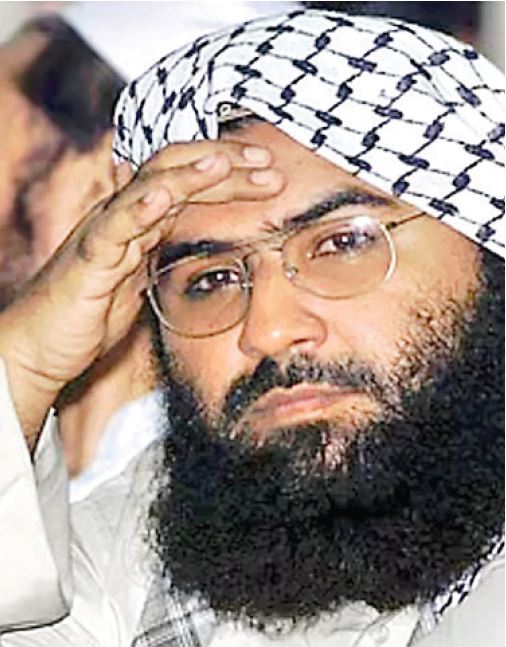
Pakistan’s shadowy connections with proscribed terror groups have once again come under scrutiny after a senior Jaish-e-Mohammed (JeM) commander publicly implicated Maulana Masood Azhar in directing operations against India from Pakistani soil. The revelation, captured on video, strikes at the heart of Islamabad’s repeated denials that it provides sanctuary to extremists.
The disclosure comes from Masood Ilyas Kashmiri, a top figure in the United Nations–designated JeM, who admitted that Azhar, one of India’s most wanted terrorists, continued orchestrating attacks in Delhi and Mumbai after his release from Tihar Jail. According to Kashmiri, Azhar made Balakot his base of operations, a city that gained global attention in 2019 when Indian Air Force jets struck a Jaish training camp located there.
Kashmiri’s admission provides rare direct testimony from within JeM about the operational role Azhar played in planning strikes on Indian cities. He described how, after escaping Tihar, Azhar crossed into Pakistan where he was offered refuge and infrastructure to pursue his militant ambitions. “After escaping Tihar Jail in Delhi, Amir-ul-Mujahideen Maulana Masood Azhar comes to Pakistan. The soil of Balakot provides him a base to carry forward his vision, mission, and programme Delhi and Bombay \[Mumbai],” Kashmiri is heard saying in the video.
The statement appears to corroborate India’s long-standing position that Pakistan has allowed JeM to operate openly, despite formally banning the outfit under international pressure. In his remarks, Kashmiri went further, describing Azhar as a figure who “terrorised the country,” while praising Osama bin Laden as a martyr, underscoring the ideological alignment between JeM and other global jihadist groups.
The revelations carry particular significance because they tie directly into India’s most recent counterterrorism actions across the border. Kashmiri confirmed that India’s May 7 strike on JeM’s Bahawalpur headquarters—Jamia Masjid Subhan Allah—caused heavy losses to Azhar’s own family. Members of the family, Kashmiri admitted, were “torn apart” in the bombing. This detail links Indian air operations under Operation Sindoor with tangible impact on JeM’s top leadership, undermining Pakistan’s narrative that such strikes caused little damage.
Operation Sindoor was launched by India in retaliation for the April 22 terror attack in Pahalgam that killed 26 civilians. The coordinated strikes targeted multiple JeM facilities and launchpads in Pakistan-occupied Kashmir and across Punjab province. While Pakistan initially downplayed the impact, Kashmiri’s words indicate that JeM’s leadership structure did indeed suffer direct consequences.
Equally telling was Kashmiri’s disclosure about the role of Pakistan’s military in lending legitimacy to the group. He revealed that generals of the Pakistan Army were instructed to attend the funerals of JeM fighters killed in the Bahawalpur strikes. The claim, if accurate, provides fresh evidence of institutional links between Pakistan’s armed forces and the outfit, which has been implicated in some of the deadliest attacks on Indian soil over the past two decades.
For India, the remarks represent another validation of claims it has made consistently at international forums: that terrorist sanctuaries continue to exist in Pakistan and receive patronage from state structures. New Delhi has long highlighted JeM’s presence in Bahawalpur, where Masood Azhar has been reported to reside even after being formally listed as a terrorist by the United Nations Security Council. The latest video testimony reinforces this picture, showing that JeM not only operated freely but also enjoyed symbolic endorsement from Pakistani authorities.
Balakot, too, emerges again as a symbol of this uneasy history. India’s February 2019 airstrikes following the Pulwama suicide bombing were aimed at JeM camps in the town. At that time, Pakistan denied that the camp existed or that any militants had been killed. Yet Kashmiri’s candid reference to Balakot as Azhar’s base underscores that the site has, in fact, been a hub for JeM’s activities.
The revelations also highlight how deeply intertwined JeM has been with other militant currents in the region. Kashmiri’s invocation of Osama bin Laden places the group within the wider framework of Islamist militancy stretching from South Asia to the Middle East. While JeM has focused much of its operations on India, its ideological inspiration and affiliations extend into networks that have posed global threats.
For Islamabad, the timing of the disclosures is awkward. The Pakistani government has repeatedly attempted to distance itself from allegations of supporting terrorism, particularly at a time when it faces scrutiny from international watchdogs such as the Financial Action Task Force (FATF). Despite banning JeM and other groups on paper, evidence of their activities on the ground continues to emerge. Kashmiri’s words, broadcast in his own voice, add weight to the argument that the ban has been more cosmetic than real.
For India, meanwhile, the admission strengthens its diplomatic hand. New Delhi has sought to rally international opinion against Pakistan’s harboring of terrorists, using forums such as the United Nations and the G20 to underline the risks posed by state-supported terror. The fresh details about JeM’s losses in Bahawalpur, its base in Balakot, and the direct involvement of the Pakistan Army in honoring its cadres, all provide ammunition for India’s case.
Ultimately, Kashmiri’s revelations present a striking glimpse into how JeM continues to function and how deeply its operations remain tied to Pakistani soil. For those tracking the complex security dynamics of South Asia, they underscore what India has long argued: that peace in the region will remain elusive so long as militant networks find protection and patronage across the border.
At the center of it all remains Masood Azhar, a figure whose name has become synonymous with cross-border terror. His journey from Tihar Jail to Balakot, from an Indian prison to a Pakistani sanctuary, represents a larger story about how militant leaders evade justice while their organizations thrive under protection. With one of his own commanders now confirming these details, the pressure on Pakistan to answer difficult questions is bound to increase.
Pakistan's Defense Minister Khawaja Asif has questioned alleged plans by senior government officials to permanently settle abroad. He...
The Baloch Liberation Army (BLA) has claimed responsibility for carrying out 34 operations between October 9 and 20...
Russian President Vladimir Putin said on Wednesday that Russia's first tanker carrying 40,000 tons of diesel fuel will...

Ten people were killed and 44 others injured in a horrific road accident in Pakistan's Punjab province. The...
North Korean leader Kim Jong-un's influential sister, Kim Yo-jong, and a military marshal inspected fortification work along the...

New Delhi: US Secretary of State Marco Rubio has assured India that America’s relations with any country in...

Aries: The day will be auspicious...