Last Updated: October 14, 2026
Last Updated: October 14, 2026





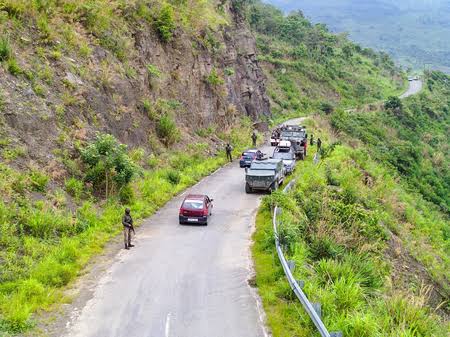
A major overhaul of the intelligence-gathering mechanism is on the cards, with a unified structure being put in place for Jammu and Kashmir and the Northeastern states. The move comes amid growing concerns over the increasing use of drones by terror operatives and their handlers to conduct reconnaissance missions in both regions.
National security planners have recommended a balanced blend of technological surveillance and human intelligence to maintain an edge over terror groups operating in these regions. Drawing lessons from the successful counter-insurgency campaign against Maoists, they have decided to adopt similar strategies in tackling terrorism in Jammu and Kashmir as well as the Northeastern states.
When it came to the battle against Maoists, there were multiple factors that were in play. The human intelligence was very strong, and the locals were completely on board. Further, technical intelligence remained solid. This ensured that real-time inputs gathered on the ground could be swiftly analysed, verified, and disseminated to security forces, enabling prompt action and contributing significantly to the success of operations.
In the Northeast and Jammu and Kashmir, terror groups have been quickly evolving their strategy. The terror groups reportedly are using a combination of both human and technical surveillance to mark territory. The use of high-quality drones is also a major concern for the security agencies. Many of these drones have been able to penetrate Indian territory and gather intelligence.
In Jammu and Kashmir, terror groups such as the Lashkar-e-Taiba (LeT) have increasingly turned to drones to smuggle arms and ammunition across the border after traditional infiltration routes came under tighter surveillance and security measures.
Elements backed by Pakistan’s Inter-Services Intelligence (ISI) are attempting to cultivate local contacts in both regions to gather information about security deployments and operational activities. Intelligence agencies have, in recent months, flagged the growing use of drones and the relative decline in actionable human intelligence as key challenges in counter-terror operations.
There is no question of not relying on human intelligence. India may have advanced technologically, and that was visible when such a precision strike was carried out during Operation Sindoor. However, when it comes to counter-terror operations, ground-level inputs remain critical, making human intelligence an indispensable component of the security apparatus.
While J&K remains a concern, courtesy of Pakistan, the Northeastern states remain vulnerable to insurgent activity. Northeast, in fact, is tricky, and anti-India elements are planning terror attacks at important locations, while also trying to ensure there is widespread unrest.
Singapore: Two Singapore-registered container vessels were reportedly struck by unknown projectiles while transiting the Strait of Hormuz on...

Shimla: The Himachal Pradesh government has constituted a four-member commission to examine the reorganisation of administrative units in...

New Delhi: The Supreme Court on Wednesday listed for November 17 the appeal filed by self-styled godman Asaram...

Ranchi: Doctors in Jharkhand launched a protest on Wednesday over a slew of demands concerning their safety and...

Greater Noida: Police and Anti-Narcotics Team in Uttar Pradesh’s Greater Noida have seized ‘ganja’ worth Rs 1 crore...

New Delhi: The Enforcement Directorate (ED) has attached assets worth Rs 2,032.81 crore belonging to Reliance Power Ltd...