Last Updated: October 15, 2026
Last Updated: October 15, 2026





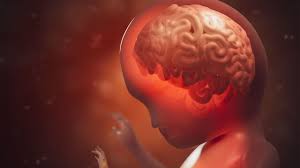
A new study by European researchers has found strong evidence that maternal infections during pregnancy can have lasting effects on brain development in newborns. The findings, published in the journal Brain Medicine, suggest that such infections may increase the risk of neurodevelopmental and psychiatric disorders like autism, schizophrenia, and depression.
The study, conducted by scientists at the Slovak Academy of Sciences in Slovakia, examined the effects of maternal immune activation (MIA) on hippocampal pyramidal neurons in newborn rats. The hippocampus is a key brain region responsible for memory, cognition, and emotion. Researchers discovered that prenatal inflammation significantly impaired neuronal excitability, which could increase the likelihood of neurodevelopmental disorders in offspring. Dr. Eliyahu Dremencov, a senior researcher involved in the study, explained that maternal infections have long been considered a risk factor for disorders such as autism and schizophrenia.
The team’s research provides new insight into how prenatal inflammation may directly impact brain function, with early-life disruptions in hippocampal neurons potentially playing a crucial role in the development of these conditions. When a pregnant individual experiences an infection, the body’s immune response releases cytokines—chemical messengers that can cross the placenta and interfere with fetal brain development. To explore the effects of this process, the researchers used an established animal model in which pregnant rats were exposed to lipopolysaccharide (LPS), a bacterial component that stimulates the immune system.
They then analyzed the hippocampal neurons of newborn rats to assess how immune activation during pregnancy influenced their excitability and function. The study found that neurons in MIA-exposed offspring required a much stronger stimulus to activate, meaning they had impaired excitability. These neurons also displayed slower response times and reduced firing rates, which could affect critical brain functions related to learning, memory, and emotional regulation.
Lead author Dr. Lucia Moravcikova explained that these disruptions in neuronal function suggest an alteration in glutamatergic neurotransmission, a key process for brain communication and cognitive functions. Additionally, the researchers observed a significant difference between male and female offspring. Male newborns exposed to maternal immune activation exhibited a greater reduction in spontaneous neuronal activity compared to females. This finding may help explain why conditions such as autism and schizophrenia are diagnosed more frequently in males than in females.
The Supreme Court is set to hear opposition leaders’ petition seeking transparency in the Election Commission’s SIR decisions,...

Congress MP Angomcha Bimol Akoijam has been summoned by Delhi Police for questioning over sexual harassment allegations involving...

President Droupadi Murmu will inaugurate the national-level SARAS Mela at Punnami Ghat in Vijayawada on October 15. The...

Ankita Bhandari’s parents were detained during an overnight protest near India Gate in Delhi and released around 5...

New Delhi: Prime Minister Narendra Modi is scheduled to interact with the Indian contingent that participated in the...

New Delhi: The Central government has defended its decision to suspend mobile internet services in parts of central...

Aries: The day will be auspicious...