Last Updated: October 12, 2026
Last Updated: October 12, 2026





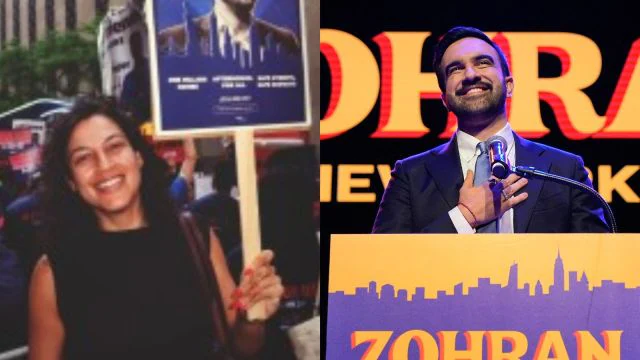
Zohran Mamdani has made history by becoming New York City’s first Indian-origin and Muslim mayor. The 34-year-old democratic socialist won a highprofile contest that drew national and international attention, defeating former Governor Andrew Cuomo and Republican Curtis Sliwa. Mamdani’s energetic and culturally resonant campaign helped him connect with younger voters and workingclass families alike, making him the youngest mayor of New York City in more than a century.
A key force behind Mamdani’s campaign was Maya Handa, his campaign manager. Known for her experience in progressive political spaces, Handa joined Mamdani’s team in late July. Before this, she managed the mayoral primary campaign of State Senator Zellnor Myrie. She had also previously worked with Mamdani during his time in the New York State Assembly.
Handa has been associated with prominent progressive leaders, including Jamaal Bowman and Elizabeth Warren, and worked closely with the Working Families Party, a significant influence in New York’s progressive politics. Mamdani’s campaign strategy was shaped heavily by social media. Analysts credit his strong digital communication and communitydriven online presence for energising supporters.
His campaign embraced his South Asian heritage through humour, language and cultural references. Video messages in Hindi, playful adaptations of well-known Bollywood dialogues and fan-made edits circulated widely on Instagram and TikTok. Supporters created fan art, short videos and aesthetic edits, similar to online fan communities that typically revolve around pop stars or actors. This style of political engagement helped his message reach younger voters in a familiar and relatable format.
Mamdani’s personal background also played a role in shaping his public image. His mother is renowned filmmaker Mira Nair and his father is scholar Mahmood Mamdani, originally from Uganda and linked to the South Asian diaspora. Mamdani openly acknowledged how these cultural influences informed his worldview and allowed him to connect with immigrant families navigating identity, belonging and economic struggle. Following his election, Mamdani announced an all-female transition team.
The co-chairs include former Federal Trade Commission chair Lina Khan, former first deputy mayor Maria Torres-Springer, United Way of New York City head Grace Bonilla, former deputy mayor Melanie Hartzog and political strategist Elana Leopold. Mamdani also urged supporters to resume donations, explaining that a strong transition requires planning and financial support.
Mamdani’s platform focused on issues central to working families: rent freezes, free childcare, cityrun grocery stores and affordable living. These proposals resonated not only in economically distressed neighbourhoods such as Brownsville but also with young professionals in areas such as Manhattan who are affected by rising living costs. His message of economic fairness and community empowerment helped broaden his appeal beyond typical ideological lines.
During his victory speech, Mamdani quoted Jawaharlal Nehru’s historic “Tryst with Destiny” address delivered in 1947 at the time of India’s independence, stating that this moment represented a shift from the old to the new. The event concluded with the theme music from the Bollywood film Dhoom, a nod to the cultural identity and connection that shaped his campaign. Mamdani has faced criticism, including from President Donald Trump, who labeled him a communist. Mamdani responded by expressing openness to dialogue, saying he is prepared to discuss ways to work with the federal government to address the cost of living and other issues impacting New Yorkers. Once relatively little-known, Mamdani now stands as a symbolic figure of generational change, multicultural identity and progressive city governance.
A shooting occurred at a school in the French city of Aubagne on Monday.

Good Evening Viewers! Stay updated with The Savera Times Evening Bulletin for the latest news from Punjab, India...

eader of the Opposition in the Lok Sabha, Rahul Gandhi and 10 other INDIA bloc leaders have moved...
Amidst protests in central Delhi, the Delhi Metro Rail Corporation (DMRC) announced the reopening of entry and exit...
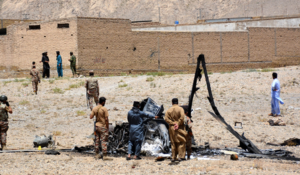
A Pakistani Army training aircraft crashed near Quetta, the capital of Pakistan's Balochistan province, on Monday.
The Delhi Police has registered an FIR regarding the alleged disturbance at the Bangla Sahib Gurdwara in...
Aries: The day will be auspicious...