Last Updated: October 23, 2026
Last Updated: October 23, 2026





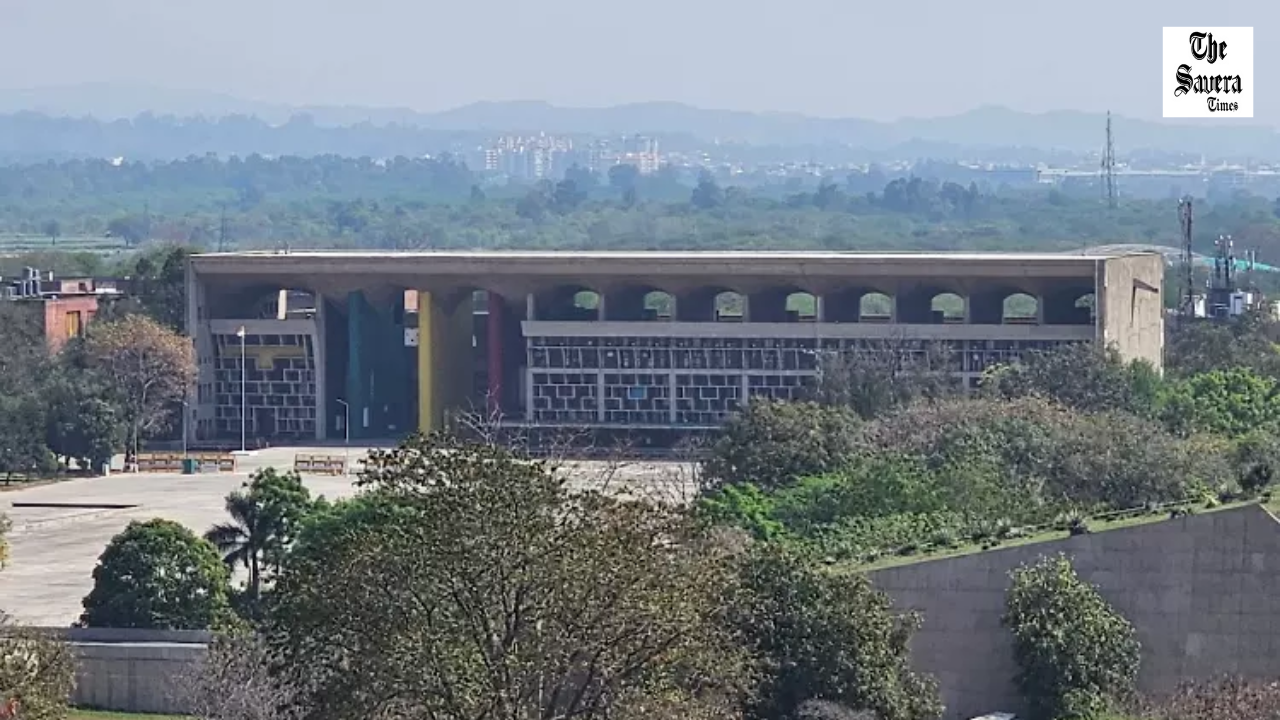
In a significant ruling, the Punjab and Haryana High Court set aside the expulsion of a medical student accused in an examination malpractice case, holding that the punishment was imposed without following the principles of natural justice. The court directed the concerned university authorities to reconsider the matter after giving the student a proper opportunity to present his case.
The decision highlights the importance of fairness and procedural transparency in disciplinary actions taken by educational institutions.
The case involved a student pursuing MBBS at Pt. B.D. Sharma University of Health Sciences in Rohtak. The university had expelled the student over his alleged involvement in an examination scam and cancelled his results in the subjects suspected to be affected by malpractice.
The Vice Chancellor of the university issued the expulsion order on February 2, 2026, which also directed the student to vacate the college and hostel premises immediately. The student subsequently approached the High Court challenging the decision and seeking relief.
He argued that the action taken by the university was unfair and violated legal principles because he was not given a chance to defend himself before the punishment was imposed.
Justice Kuldeep Tiwari, while hearing the petition, observed that the disciplinary proceedings conducted by the university were not entirely improper. However, the final decision taken by the Vice Chancellor suffered from procedural lapses.
The court noted that the student was not provided with a copy of the recommendations of the Board of Discipline, nor was he given an opportunity for a personal hearing before the final order was issued.
According to the court, such actions are contrary to the principles of natural justice, which require authorities to hear the affected person before taking punitive action.
After reviewing the case records, the High Court set aside the expulsion order and directed the Vice Chancellor to reconsider the matter afresh.
The court instructed the university to supply the student with the relevant disciplinary recommendations and provide him with an opportunity to present his defense through a personal hearing before making any decision.
The judgment does not automatically declare the student innocent but ensures that the disciplinary process follows a fair and lawful procedure.
The case comes amid a wider investigation into alleged irregularities in medical examinations. Earlier, the university had reportedly taken strict action against several students suspected of involvement in malpractice during exams.
Educational institutions often adopt strict measures in such cases to maintain academic integrity and protect the credibility of professional degrees like MBBS, which directly impact public health and safety.
Legal experts say the ruling reinforces the principle that even in cases involving serious allegations such as exam scams, institutions must follow due process.
Natural justice requires that:
The accused person must be informed of the charges.
Evidence and reports used against them should be shared.
They must be given a fair opportunity to respond.
Failure to follow these procedures can render disciplinary actions legally invalid.
The High Court’s decision is expected to serve as an important reminder for universities and professional institutions across the country to ensure transparency and fairness in disciplinary proceedings.
While strict action against academic malpractice remains essential, the court emphasized that punishments must be imposed only after following proper legal procedures, ensuring that students’ rights are not violated.
A gas pipeline blast near Chitta Mandir Chowk in Yamunanagar injured six people and damaged nearby shops and...

Haryana Minister Anil Vij expects the statewide power employees' strike to end soon after union leaders agreed to...

Piyarelal, a 44-year-old labourer from Madhya Pradesh, was allegedly beaten with sticks after an argument in Gurugram's Nihal...

The CIA Mill Gate team arrested Rajat, a Hisar resident, after recovering a revolver, a .32-bore pistol and...

Gaurav, a minor from Panipat, died after suffering an electric shock when a flag he carried during a...

Haryana Hurricanes and Ayodhya Garjan have qualified for the Volleyball Champions League semi-finals after winning their Super 6...

Aries: The day will be auspicious...