Last Updated: October 21, 2026
Last Updated: October 21, 2026





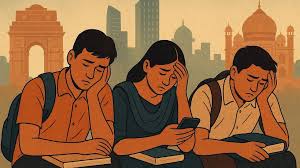
Mental health issues among university students in India have become increasingly prominent in recent years. Academic pressure, social expectations, career uncertainty, and personal challenges create a high-stress environment that affects students’ psychological well-being. Surveys indicate that nearly 40% of college students in India experience symptoms of anxiety, depression, or stress, yet access to mental health support remains limited.
Cultural stigma, lack of awareness, and insufficient counseling facilities exacerbate the problem, often leaving students to cope with their struggles silently. The causes of mental health challenges are multifaceted. Academic stress is a primary factor, as students strive to meet high expectations from family and institutions. Competitive exams, heavy coursework, and pressure to secure lucrative employment contribute to anxiety and burnout. Social pressures, including adapting to new environments, maintaining relationships, and navigating social media, also impact mental health.
In addition, financial stress can significantly affect students from lower-income backgrounds who balance studies with part-time work or debt. Universities across India are beginning to recognize the importance of mental health support. Counseling centers, helplines, and peer support groups are gradually becoming more common. For example, institutions like Jawaharlal Nehru University, Delhi University, and Tata Institute of Social Sciences have established mental health programs and workshops. Online platforms offering teletherapy and mental health resources are also expanding access, especially for students in remote areas.
Moreover, social media campaigns and awareness programs are challenging stigma and encouraging students to seek help. Despite progress, challenges persist. Many universities still lack trained counselors, and cultural stigma prevents students from openly discussing mental health issues. Students may fear academic or social repercussions if they admit to struggling, which delays intervention and treatment. Limited funding and prioritization of mental health infrastructure further hinder the development of comprehensive support systems.
Start your day with The Savera Morning Brief, bringing you the latest news from India and around the...

Union Home Minister Amit Shah will pay tribute to police martyrs at the National Police Memorial in New...

Four more people, including two women, have been arrested in the Tiger Shroff firing case. Delhi Police are...

We are very proud that at present India is the number one country in the world by surpassing...

Every investor wants the wealth-creating power of equity and the reassuring stability of debt. Balanced Advantage Funds attempt...

Tourism is a major source of government revenue in our country. There are different types of tourism. Scenic...

Aries: The day will be auspicious...