Last Updated: October 21, 2026
Last Updated: October 21, 2026






For thousands of young people across South Asia, migration is not merely a choice but a perceived necessity. In villages and small towns, leaving the country has become synonymous with success, stability, and dignity. Posters advertising study visas, work permits, and “guaranteed settlement” line the streets, selling dreams that often mask harsh realities.
Economic insecurity lies at the heart of this migration rush. Limited job opportunities, stagnant wages, and rising living costs push young people to look beyond borders. For many families, sending a child abroad is seen as a long-term investment, even if it requires selling land, taking high-interest loans, or mortgaging future earnings.
Social pressure reinforces this cycle. Returnees flaunting foreign lifestyles—cars, houses, and remittances—create powerful narratives of success. Failures, deportations, or exploitation rarely receive the same visibility. As a result, migration becomes aspirational, almost obligatory, especially for young men.
However, the journey is fraught with risks. Many migrants rely on unregulated agents who promise legal routes but deliver forged documents or unsafe travel paths. Stories of deaths at borders, detention centers, or in exploitative workplaces are increasingly common. Yet desperation often outweighs caution.Even those who migrate legally face challenges. International students struggle with high tuition fees, cultural isolation, and exploitative labor conditions. Work visa holders confront restrictive contracts that tie them to employers, limiting mobility and bargaining power. For undocumented migrants, fear of detection becomes a constant companion.Families left behind bear emotional and financial burdens. Parents age without support, children grow up with absent caregivers, and households depend on irregular remittances. When migration fails, the shame and debt can be devastating, pushing families into deeper poverty.
Governments often frame migration as an economic asset due to remittances, but this view ignores human costs. While remittances support consumption and education, they cannot substitute for sustainable domestic employment.
Start your day with The Savera Morning Brief, bringing you the latest news from India and around the...

Union Home Minister Amit Shah will pay tribute to police martyrs at the National Police Memorial in New...
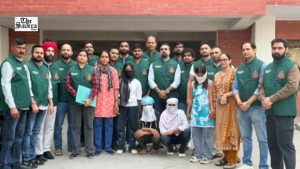
Four more people, including two women, have been arrested in the Tiger Shroff firing case. Delhi Police are...
We are very proud that at present India is the number one country in the world by surpassing...

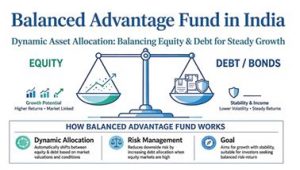
Every investor wants the wealth-creating power of equity and the reassuring stability of debt. Balanced Advantage Funds attempt...
Tourism is a major source of government revenue in our country. There are different types of tourism. Scenic...

Aries: The day will be auspicious...