Last Updated: October 21, 2026
Last Updated: October 21, 2026





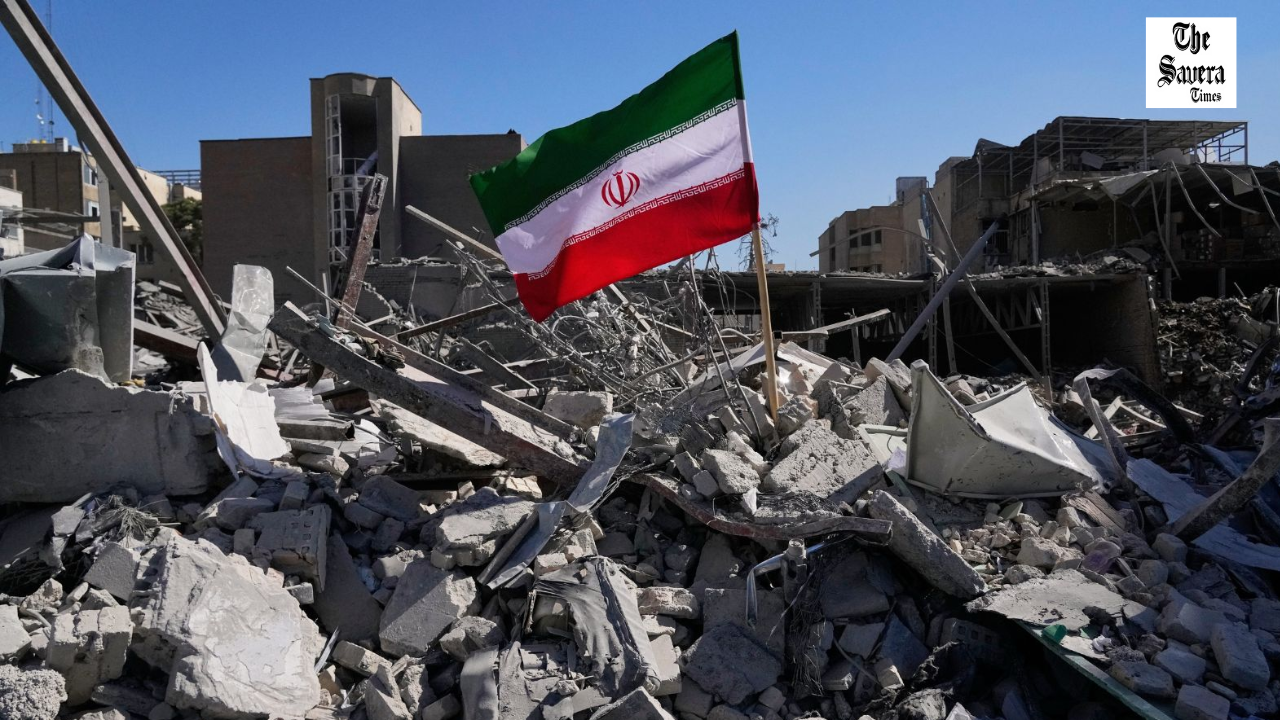
New Delhi, March 3, 2026 — Prime Minister Narendra Modi held important telephonic conversations on Tuesday with Sultan Haitham bin Tarik of Oman and Crown Prince Sheikh Sabah Al-Khaled Al-Hamad Al-Mubarak Al-Sabah of Kuwait as tensions continue escalating in West Asia. These diplomatic outreach efforts took place against the backdrop of a rapidly deteriorating regional security environment following military strikes involving the United States, Israel, and Iran.
Officials said that during both calls, PM Modi expressed concern over recent attacks affecting Oman and Kuwait, discussed the broader regional situation and emphasized the need for coordinated efforts to ensure regional stability. He also reviewed the welfare and safety of Indian citizens living in both Gulf nations, where millions of expatriates and their families reside.
The diplomatic engagements occur in the midst of deepening conflict in the Middle East after a joint offensive by the US and Israel struck targets inside Iran, resulting in the death of Iran’s Supreme Leader and prompting retaliatory missile and drone strikes across the region. Countries such as Bahrain, Saudi Arabia, Kuwait and others have reported various attacks and heightened alert levels.
India has been closely monitoring the situation due to its strategic and economic interests in the Gulf and the presence of nearly nine million Indian expatriates across West Asia. The region is also crucial for India’s energy security, accounting for a sizeable share of its crude oil imports and remittance flows.
In his discussions, the Prime Minister conveyed India’s concern over the impact of current hostilities on Oman and Kuwait, especially regarding incursions that threaten territorial integrity and civilian safety. Both leaders shared updates on the situation in their respective countries and assured Modi of ongoing efforts to maintain internal stability.
A major focus of the calls was also the security, welfare and well-being of the Indian diaspora in the Gulf. With thousands of Indian workers, professionals, students and families affected by disruptions and warnings to avoid travel while conflict persists, Modi reiterated India’s commitment to supporting its citizens abroad through diplomatic channels and emergency services.
These discussions with the leaders of Oman and Kuwait are part of a broader outreach by India to regional partners aimed at stabilizing the situation and safeguarding Indian interests. In the past two days, PM Modi has also been in contact with leaders of the United Arab Emirates, Saudi Arabia and Bahrain, thanking them for looking after the Indian community and reinforcing cooperation during this crisis.
Earlier telephonic talks with Israeli Prime Minister Benjamin Netanyahu emphasized the urgent need to priorities civilian safety and call for an early cessation of hostilities in the region.
India has maintained that it seeks a peaceful resolution to the conflict and has urged all parties to exercise restraint. New Delhi has reiterated that disputes should be resolved through dialogue and diplomacy, a stance it reiterated in interactions with international partners.
In addition to diplomatic dialogue, the Indian government is actively monitoring the situation and enhancing consular support for Indian nationals in West Asia. Emergency helplines and advisories have been issued, and missions across the Gulf are coordinating with local authorities to assist Indians affected by travel disruptions, airspace closures and security alerts.
This heightened engagement underscores India’s emphasis on protecting its citizens abroad and sustaining stable ties with key Gulf partners during one of the most challenging periods in recent regional history.
A bus travelling from Pachiound to Ramnagar fell into a gorge at Gulli Gula in Udhampur district. Nine...

Start your day with The Savera Morning Brief, bringing you the latest news from India and around the...

Union Home Minister Amit Shah will pay tribute to police martyrs at the National Police Memorial in New...
Four more people, including two women, have been arrested in the Tiger Shroff firing case. Delhi Police are...
We are very proud that at present India is the number one country in the world by surpassing...

Every investor wants the wealth-creating power of equity and the reassuring stability of debt. Balanced Advantage Funds attempt...

Aries: The day will be auspicious...