Last Updated: October 20, 2026
Last Updated: October 20, 2026





Abhishek Vij
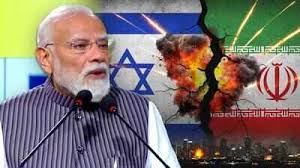
On Monday, Prime Minister Narendra Modi publicly addressed the Lok Sabha regarding the ongoing military tensions in West Asia. Shedding light on the challenges facing the nation amidst the current conflict situation—as well as their potential solutions—he called upon his fellow citizens to stand united in confronting this environment. While delivering a message of peace in his address—stating that dialogue is the solution to every problem and that tensions must be de-escalate—Modi also delivered a stern message: blocking the Strait of Hormuz is unacceptable, and India categorically rejects the bombing of power plants and civilian populations.
The Prime Minister warned that the ongoing conflict in West Asia could potentially trigger conditions within the country reminiscent of the COVID-19 pandemic era. While the government remains vigilant, the citizens, too, must remain alert. He noted that over 10 million Indians reside in the Gulf nations, and since Indians constitute the majority of the crew members on ships operating in those waters, India’s concern is entirely natural. In this context, he has engaged in discussions with the heads of state of the Gulf nations to ensure the safety and security of Indian nationals; their response has been positive.
Modi emphasized that the safety and security of Indians—whether residing domestically or abroad—remain of paramount importance. To date, 375,000 Indians have returned to their homeland. Issuing a stern warning to those engaging in black marketing and profiteering, Prime Minister Modi declared that such activities would not be tolerated and that immediate action would be taken against the perpetrators. He also appealed to the public not to fall prey to the lies and rumors being peddled by black marketers. Modi clarified that the ongoing conflict has created a potential shortage of oil, gas, and urea—a vital agricultural input.
Regarding petroleum supplies, he informed the House that the nation has built up strategic oil reserves. Our existing oil reserves, which previously stood at 5.3 million metric tonnes, are now being expanded to 6.5 million metric tonnes. Furthermore, while we previously procured oil from 27 nations, we are now sourcing it from 41 different countries. We possess adequate reserves of food grains, enabling us to face any emergency situation without difficulty. Addressing the urea crisis, the Prime Minister noted that six urea plants have been commissioned over the past decade. This has added an annual production capacity of over 7.4 million metric tons of urea. During this period, domestic production of fertilizers such as DAP and NPK(S) has also been increased by 5 million metric tons.
The Prime Minister further stated that energy serves as the backbone of any nation’s economy. The responsibility for meeting global energy requirements largely rests with West Asia. The Government of India is working strategically to address the current energy crisis. The government has constituted a dedicated group that meets daily to continuously address and resolve issues related to imports and exports. The Prime Minister also informed that, in order to mitigate any potential shortage of LPG, the supply of gas has been prioritized and reserved for domestic consumption. Nevertheless, by harnessing alternative sources of energy, we are well-equipped to effectively tackle this crisis.
On Sunday, Mr. Modi also held discussions with the Chief Ministers of various states to deliberate on measures aimed at resolving the shortages of oil, gas, and urea across the country. Regarding the ongoing tensions in West Asia, Prime Minister Narendra Modi conveyed a clear message: we must face every challenge with patience, restraint, and a calm mind. This, he emphasized, is our true identity, and therein lies our strength.
Good Evening Viewers! Catch up on the day's biggest stories with The Savera Times Evening Bulletin. Get the...

Congress leaders continued their protest outside the Jaipur Police Commissionerate on Tuesday, demanding the registration of a zero...
On the auspicious occasion of Vijayadashami, Prime Minister Narendra Modi on Tuesday called on the countrymen to unite...
A historic milestone was achieved on Tuesday in the expansion of Chhattisgarh's rail networkA historic milestone was achieved...
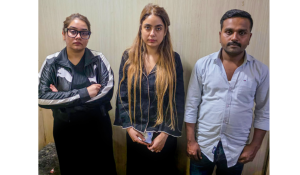
Model Shraddha Dubey, one of the main accused in the death of Lucknow businessman Shiv Sharma, has been...
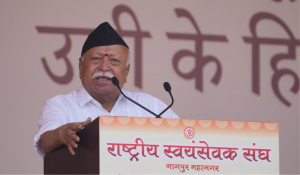
Rashtriya Swayamsevak Sangh (RSS) chief Mohan Bhagwat on Tuesday called for strengthening national unity, social harmony, indigenous practices...
Aries: The day will be auspicious...