Calls for Ending Hazardous 10-Minute Delivery Model
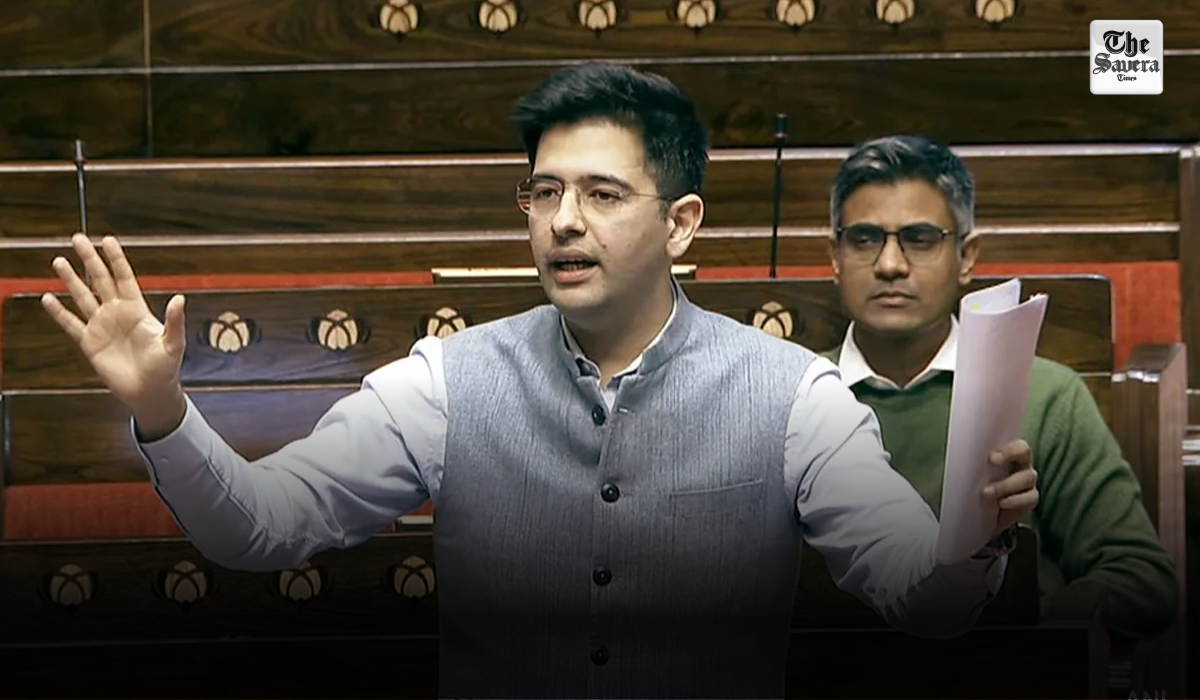
Chadha demanded the scrapping of what he described as the “dangerous” 10-minute delivery culture adopted by quick-commerce companies.
According to him, delivery executives of platforms like Zomato, Swiggy and service partners of Urban Company form the “invisible wheels of the Indian economy”, yet the billion-dollar valuations of these unicorns are built on the “broken backs and risked lives” of these workers.
Human Cost Behind Each Order
He pointed out that behind every seemingly simple in-app message — ‘Your order is on its way’ or ‘Your ride has arrived’ — stands a worker racing against time, compelled to overspeed, jump traffic signals, and bear severe pressure because delayed deliveries could mean dropped ratings, lost incentives or even blocked IDs.
Unsafe Conditions and Zero Social Security
Chadha outlined three key challenges faced by gig workers:
-
The push for 10-minute delivery forces them into life-threatening traffic violations.
-
They work for 12–14 hours in harsh conditions — extreme temperatures, heavy rain, pollution — without proper protective gear.
-
They have no social-security net, no permanent employment, inadequate insurance and no job stability.
He described how these workers, often masking “pain, insecurity and hopelessness” behind polite smiles, still plead — ‘Sir, please give a five-star rating’ — just to safeguard their livelihoods.
Urgent Parliamentary Attention Sought
Chadha urged Parliament to acknowledge and debate the immense pressure created by rapid-delivery targets and recognise gig workers’ right to social security, noting that “the nation progresses on the sweat of these silent warriors.”
On social media, he wrote: “Zomato & Swiggy delivery boys, Blinkit & Zepto riders, Ola & Uber drivers, Urban Company plumbers and technicians. They deserve dignity, protection and fair pay.”