Last Updated: October 21, 2026
Last Updated: October 21, 2026





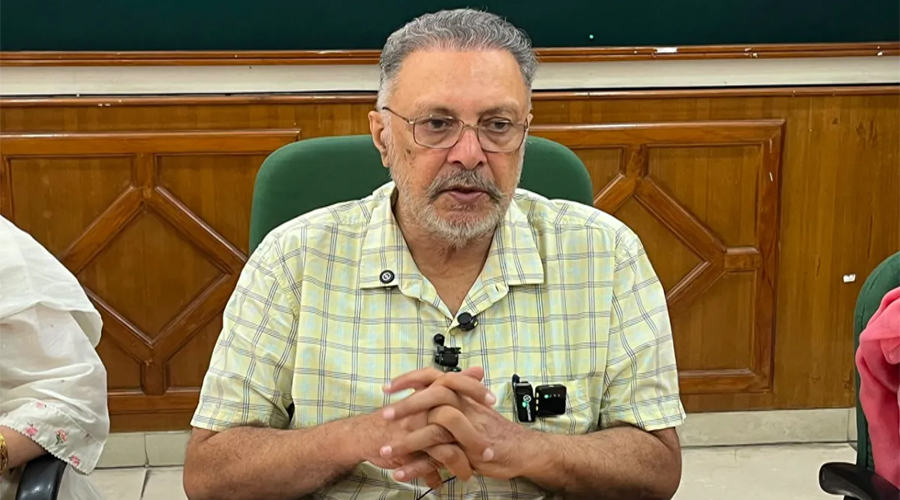
The Mukhyamantri Sehat Yojana’,’ launched by the Punjab government under the leadership of Chief Minister Bhagwant Singh Mann, has emerged as a major source of relief for lakhs of families across the state. Health and Family Welfare Minister Dr. Balbir Singh stated that within just six and a half months of the scheme’s launch, cashless treatment worth over ₹914 crore has been provided to more than 5.12 lakh patients.
He noted that the initiative aims to provide quality healthcare services to every eligible family while sparing them from financial burdens.
Over 50.3 Lakh E-Health Cards Issued
According to the Health Minister, more than 50.3 lakh e-health cards have been issued to date. Using these cards, patients are receiving treatment at government and empanelled private hospitals without making any cash payments. The Punjab government claims that this scheme has played a pivotal role in strengthening universal health coverage within the state.
Cashless Facility Available at 868 Hospitals
A total of 868 government and private hospitals across the state have been included under the scheme. Patients are receiving cashless treatment for various serious ailments and surgeries at these facilities. So far, approximately 2.50 lakh families have availed the benefits of the scheme, and over 1.65 lakh surgeries have been performed under it.
Treatment Ranging from Cancer to Heart Disease
The ‘Mukhyamantri Sehat Yojana’ covers the treatment of numerous serious illnesses. Services provided under the scheme include cancer treatment, angioplasty, bypass surgery, knee and hip replacements, kidney-related treatments, dialysis, gallbladder surgery, neonatal care, and other critical medical services.
The Health Department states that this initiative ensures patients do not have to incur debt or face financial crises to afford expensive medical treatments.
Partnership Between Government and Private Hospitals
Active participation from both government and private healthcare institutions has been observed in the implementation of the scheme. Of the total treatments provided, approximately 45 percent of services were delivered by government hospitals and 55 percent by private hospitals. The Punjab government believes that this partnership has improved the availability and accessibility of healthcare services across various regions of the state.
Maximum Benefit to Rural Areas
According to the data, the majority of the scheme’s beneficiaries are from rural areas. Approximately 68 percent of total e-health cardholders belong to rural areas, while 32 percent are from urban areas. Women’s participation has also been significant, with their share among total beneficiaries exceeding that of men.
Ludhiana and Patiala Lead the Way
Ludhiana district has led in the issuance of e-health cards, with Patiala, Jalandhar, and Hoshiarpur also ranking among the prominent districts. Meanwhile, in terms of actual treatment, Patiala and Bathinda have provided healthcare services to the highest number of beneficiaries.
Action Against Erring Hospitals
The Health Minister stated that the audit mechanism has been strengthened to ensure the effective implementation of the scheme. Following investigations, approximately ₹2.98 lakh that had been wrongly charged to patients was recovered and refunded.
Additionally, fines totaling ₹78 lakh have been imposed on 14 hospitals found to have committed irregularities, and one hospital has been removed from the scheme.
Helpline Available for Complaints
The Punjab government has urged beneficiaries to report any instances where a hospital demands payment despite the provision for cashless treatment, or asks patients to purchase medicines or undergo tests from outside sources; such complaints can be registered via the helpline number 104. The Health Department states that the scheme aims to provide transparent, high-quality, and completely cashless healthcare services to every eligible family.
Punjab has reported 404 stubble-burning incidents, with Tarn Taran and Amritsar accounting for the highest numbers. Authorities have...
The CBI has taken over the investigation into anti-drug activist Parvinder Singh Jhota’s killing in Mansa and registered...
Punjab Chief Minister Bhagwant Mann was allegedly detained for three hours at Delhi airport upon his return from...
The Punjab Vigilance Bureau (VB) during its ongoing drive against corruption in the state, has apprehended Inspector Gulshan...
Chief Minister Bhagwant Mann may soon hold a press conference or release a video message amid Union Home...
Punjab Cabinet Minister Aman Arora welcomed Union Home Minister Amit Shah's visit to Punjab on Tuesday. However, he...