Last Updated: October 17, 2026
Last Updated: October 17, 2026





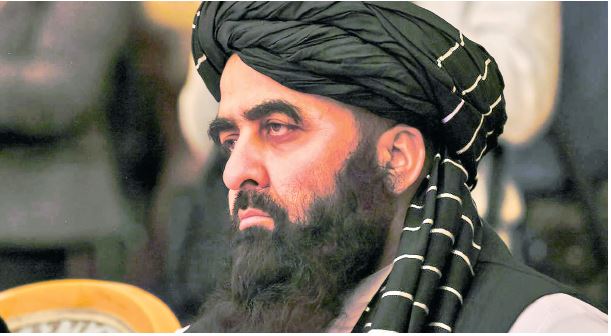
Afghanistan’s acting foreign minister, Amir Khan Muttaqi, arrived in New Delhi on October 9 for a weeklong visit that marks the first high-level trip by a senior Taliban official to India since 2021. The visit was permitted after the UN Security Council’s Taliban Sanctions Committee approved a temporary exemption to a travel ban on September 30, clearing the way for engagements in New Delhi through October 16.
Muttaqi’s arrival was met with an official welcome from the Ministry of External Affairs. He is scheduled to hold talks with External Affairs Minister Subrahmanyam Jaishankar and is likely to meet National Security Adviser Ajit Doval and other senior officials, officials and media reports say. The meetings will be the first substantive, in-person contacts at the political level between India and the Taliban’s foreign ministry since 2021. The itinerary blends symbolic, religious and commercial stops. Media reports say Muttaqi will visit the Darul Uloom Deoband seminary on October 11 and travel to Agra on October 12 to see the Taj Mahal, alongside scheduled meetings with business groups and members of the Afghan community in India.
The UN exemption covers the period of those visits. New Delhi has framed the visit as a limited, pragmatic engagement focused on concrete issues rather than recognition. Indian and Afghan officials expect discussions to centre on trade and connectivity, including exports such as dry fruits, health-sector cooperation, consular services and the use of regional ports as transit routes to Afghanistan. The agenda reflects New Delhi’s long-standing interest in maintaining channels of influence in Kabul while protecting security and commercial interests.
The question of Chabahar and other access routes looms large. Afghanistan has viewed the Iranian port of Chabahar as a practical gateway for trade with India and Central Asia. That dynamic gained fresh urgency after recent U.S. action to revoke a sanctions waiver for Chabahar, a move that complicates regional logistics and raises new legal risks for entities working at the port. The Chabahar issue is likely to figure in technical discussions on trade corridors and logistics. Delhi also faces a delicate diplomatic protocol problem. India has not formally recognised the Taliban government, yet standard protocol normally requires display of the visitor’s national flag during meetings. Officials and commentators have highlighted the dilemma of whether and how to display the Afghan emblem without signalling recognition.
The handling of flags and protocol will be watched closely for what it signals about the limits of India’s engagement. Indian analysts describe the trip as a cautious reset. Some experts argue the visit is a pragmatic step to safeguard India’s strategic and humanitarian interests in Afghanistan. Mohammad Reyaz of Aliah University called the outreach a reflection of evolving geopolitical realities. Former diplomat Vivek Katju advised India to await an international consensus before moving toward formal recognition. Observers note that for the Taliban, foreign visits help cultivate international legitimacy at home.
Muttaqi arrived in New Delhi after attending the Moscow Format consultations, part of broader regional diplomacy in which neighbours discussed Afghanistan’s future and opposed major foreign military deployments in the country. New Delhi’s approach during the visit will aim to balance pragmatic engagement on trade, aid and counterterrorism with caution on formal recognition, even as the visit alters long-standing diplomatic routines in the region.
Read The Savera Times Evening Bulletin for the top India and world news, latest breaking headlines, major developments...

New Delhi: India and Vietnam on Friday reviewed their cooperation across key areas, including economic security, maritime engagements,...
New Delhi: The Union Ministry of Home Affairs (MHA) has sought detailed reports from the Punjab government on...
New Delhi: All India Students’ Association (AISA) National President Neha Bora was detained by the Delhi Police on...
New Delhi: The Directorate of Enforcement (ED) has provisionally attached assets and proceeds of crime worth Rs 136.44...
Mumbai: Jindal Saw on Friday reported a steep decline in its earnings for the second quarter of FY27,...
Aries: The day will be auspicious...