Last Updated: October 24, 2026
Last Updated: October 24, 2026





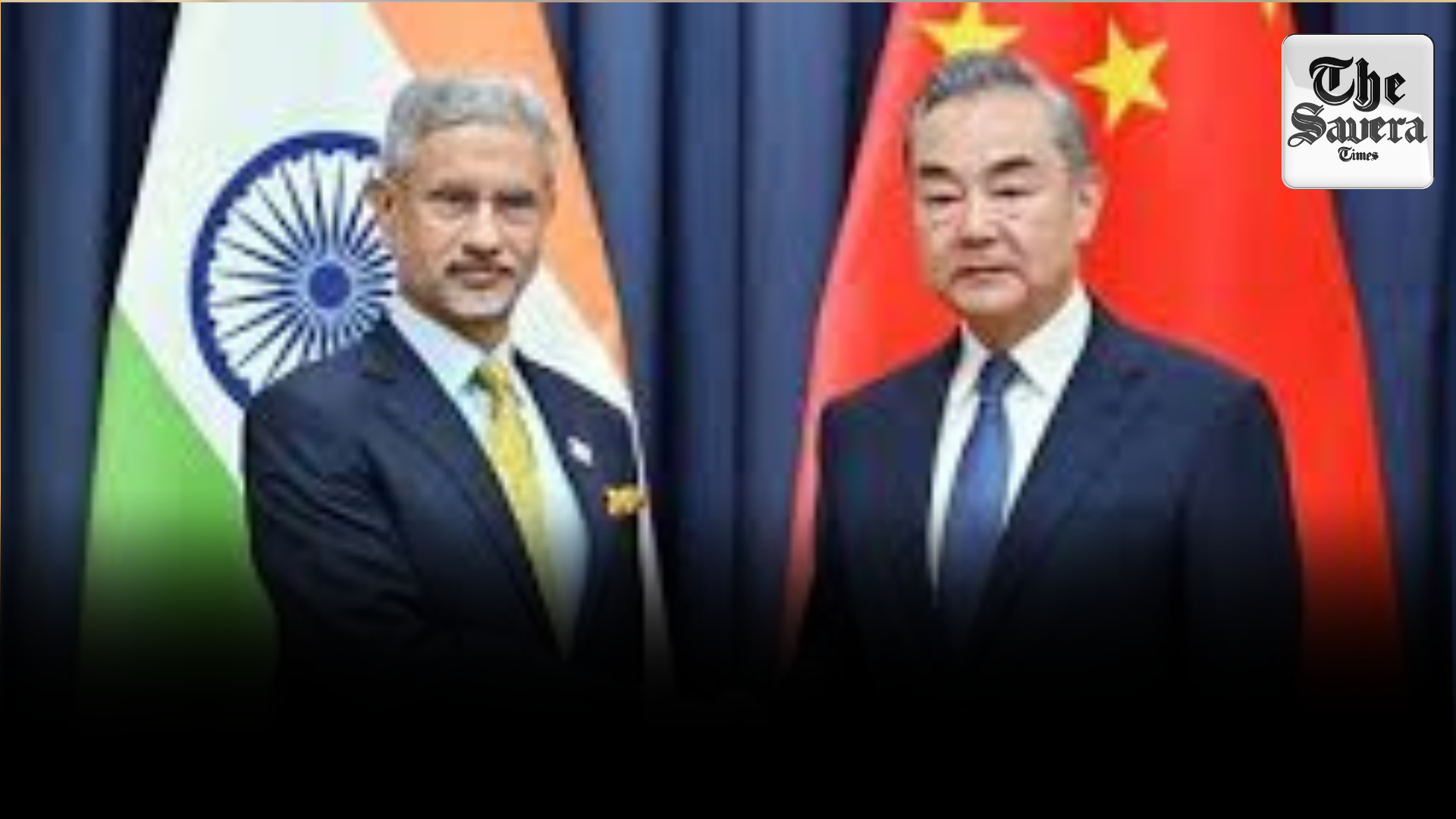
New Delhi: U.S. President Donald Trump’s decision to impose a 50% tariff on Indian goods, effective August 27, 2025, has sparked debate over whether Washington’s hardline trade stance could inadvertently drive New Delhi into closer economic cooperation with Beijing.
The tariff package comprising a 25% baseline duty and an additional 25% penalty for India’s continued purchase of Russian oil targets $77.5 billion worth of Indian exports to the U.S., its largest trading partner. Key sectors such as pharmaceuticals, textiles, and IT services are expected to be hit. India’s trade surplus with the U.S., valued at $36.8 billion in FY24, has been a long-standing point of contention for Trump, who has called India a “big abuser” of trade ties.
Indian leaders, including NCP-SCP chief Sharad Pawar, have called the tariffs a “pressure tactic,” while Congress MP Sukhdeo Bhagat criticised Prime Minister Narendra Modi for not engaging Trump directly.
Foreign policy analyst Robinder Sachdev said India would prioritise “sole national interest,” noting that New Delhi had dismissed speculation about pausing defence procurement talks with the U.S., signalling a commitment to strategic engagement despite economic strain.
At the same time, Beijing is extending an olive branch. Chinese embassy spokesperson Yu Jing has urged India to work with China to resist “U.S. abuse of tariffs,” stressing the “complementary nature” of bilateral trade. The outreach comes ahead of Chinese Foreign Minister Wang Yi’s scheduled visit to New Delhi on August 18 for talks with National Security Adviser Ajit Doval under the Special Representatives mechanism on the boundary question.
The visit is significant, coming more than five years after Galwan Valley clash, which plunged India–China relations into their worst crisis in decades. Since then, repeated border stand-offs have overshadowed trade growth. Analysts say Wang’s trip may indicate a tentative thaw—one that could be accelerated if U.S. protectionism drives India to deepen cooperation with BRICS members, including China.
Economically, the tariffs are projected by Moody’s Ratings to slow India’s GDP growth by 30 basis points to 6% in FY26, though strong domestic demand and services growth may cushion the blow. However, the dispute has stalled bilateral trade agreement talks with Washington, launched in March 2025 to double trade to $500 billion by 2030.
With China also facing U.S. tariffs—cumulative duties on Chinese goods reached 104% in April 2025—Beijing sees strategic value in aligning with India in global trade forums. If Washington’s tariff strategy alienates New Delhi, it could reshape not only South Asian trade flows but the geopolitical balance in the Indo-Pacific.
Also read;
Six people, including five members of a family, died after their car collided with a truck in Churu,...

New Delhi: Prime Minister Narendra Modi is scheduled to embark on a visit to Uttar Pradesh and Odisha...
Mumbai Police has recovered two firearms and 10 live cartridges from Surat, Gujarat, in the Tiger Shroff firing...

New Delhi: Toxic foam was seen floating on the Yamuna River near Okhla Barrage in Delhi on Saturday,...

Amaravati: At least five people were killed on Saturday after a fire broke out at a road construction...

Uttar Pradesh: The road to a seat-sharing agreement between the Samajwadi Party (SP) and Congress appears challenging ahead...
Aries: The day will be auspicious...