Last Updated: October 26, 2026
Last Updated: October 26, 2026





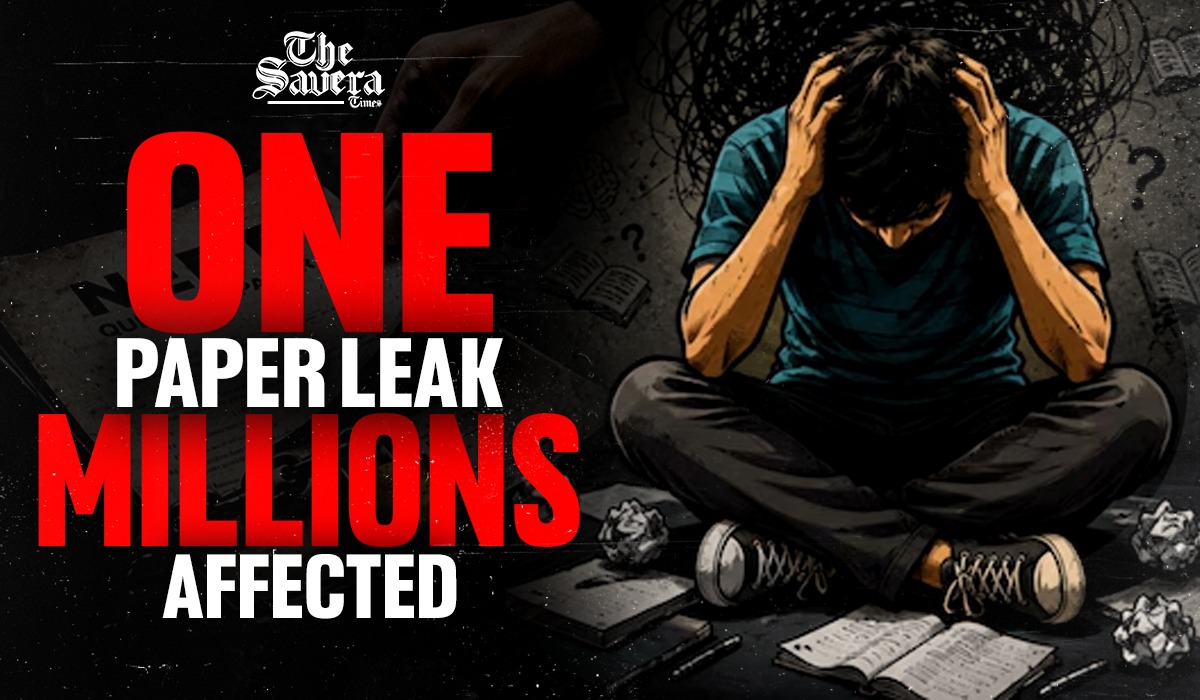
A medical seat. For many families, it is more than just a career goal. It represents years of hard work, financial sacrifices, and the hope of a better future. Every year, lakhs of students dedicate themselves to preparing for NEET, often putting their social lives on hold and spending countless hours studying for a single examination that can shape their future.
But for thousands of aspirants in 2026, that journey took an unexpected turn.
What should have been a moment of relief after the May 3 NEET-UG examination quickly turned into uncertainty and anxiety when allegations of a large-scale paper leak surfaced. Days later, the exam was cancelled, forcing students back to their books and leaving many questioning whether their efforts had been in vain.
The controversy has done more than trigger a re-examination. It has reignited concerns about the credibility of India’s examination system and highlighted the immense emotional burden carried by students. Reports suggest that at least 11 students across several states have died by suicide since the cancellation of the examination, turning an academic controversy into a deeply human tragedy.
As lakhs of aspirants now prepare for the June 21 re-test, the story is no longer just about a paper leak. It is about trust, accountability, mental health, and the price students are paying for failures within a system meant to secure their future.
The NEET-UG 2026 exam, taken by over 2.27 million students on May 3, was cancelled on May 12 after investigations revealed a multi-state paper leak racket. A “guess paper” circulated widely on platforms like WhatsApp reportedly matched many actual questions. The leak allegedly involved insiders from the National Testing Agency (NTA) and was sold for large sums. The Central Bureau of Investigation (CBI) is probing the case, and the re-exam is scheduled for June 21.
The cancellation has triggered mental stress, financial burden, and uncertainty for students who had already spent years preparing.
NEET-UG, or National Eligibility cum Entrance Test (Undergraduate), is India’s single entrance exam for MBBS, BDS, and other medical courses.
The objective was to create a fair and uniform admission process, but repeated controversies have weakened confidence in the system.
Behind the statistics are stories of young people who had invested years in pursuing a medical career, only to see their dreams disrupted by failures in the examination system.
Among the reported tragedies:
At least 14 NEET-linked suicides have been reported in 2026 so far.
The current crisis did not emerge overnight. Academic pressure linked to competitive examinations has been steadily rising.
An analysis of media reports found at least 93 NEET-linked student suicides between 2021 and mid-2026:
Many of these cases have been linked to academic pressure, uncertainty, and intense competition.
The concerns surrounding NEET are not limited to 2026. Questions over examination security and administration have surfaced repeatedly over the years.
The biggest controversy before 2026 emerged in 2024 when alleged paper leaks were reported from Bihar and Jharkhand. Investigators found evidence suggesting organised rackets had accessed and circulated question papers. Candidates reportedly paid large sums for access.
The controversy intensified after over 1,500 candidates received grace marks, leading to unusually high scores and widespread protests. The Supreme Court ordered investigations but did not direct a nationwide re-test.
Experts point to several recurring issues:
The Supreme Court has repeatedly criticised the NTA for failing to learn from previous controversies.
As students prepare for the June 21 re-test, they are carrying more than admit cards and study material. They are carrying the weight of uncertainty, lost time, and shattered confidence. The controversy has highlighted the urgent need for stronger safeguards, better counselling support, and reforms that ensure no student is forced to bear the consequences of administrative failures.
India will host the 12th BRICS Parliamentary Forum at Samvidhan Sadan in New Delhi on October 26 and...

A second assault in three the representative of Dalai Lama in South Africa, is being seen as yet...
It is quite intriguing that 'Free Kashmir' posters and slogans keep appearing on university campuses and at political...
Water storage in India's 178 major reservoirs fell by nearly 3.5 billion cubic metres in seven days, with...

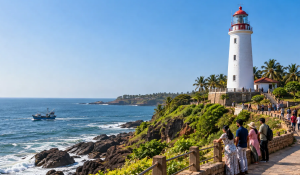
For generations, India’s lighthouses were places people saw from a distance. Standing at the edge of the sea,...
Leader of the Opposition in the Lok Sabha, Rahul Gandhi, will visit Punjab's Sangrur district on November 4....
Aries: The day will be auspicious...