Last Updated: October 12, 2026
Last Updated: October 12, 2026





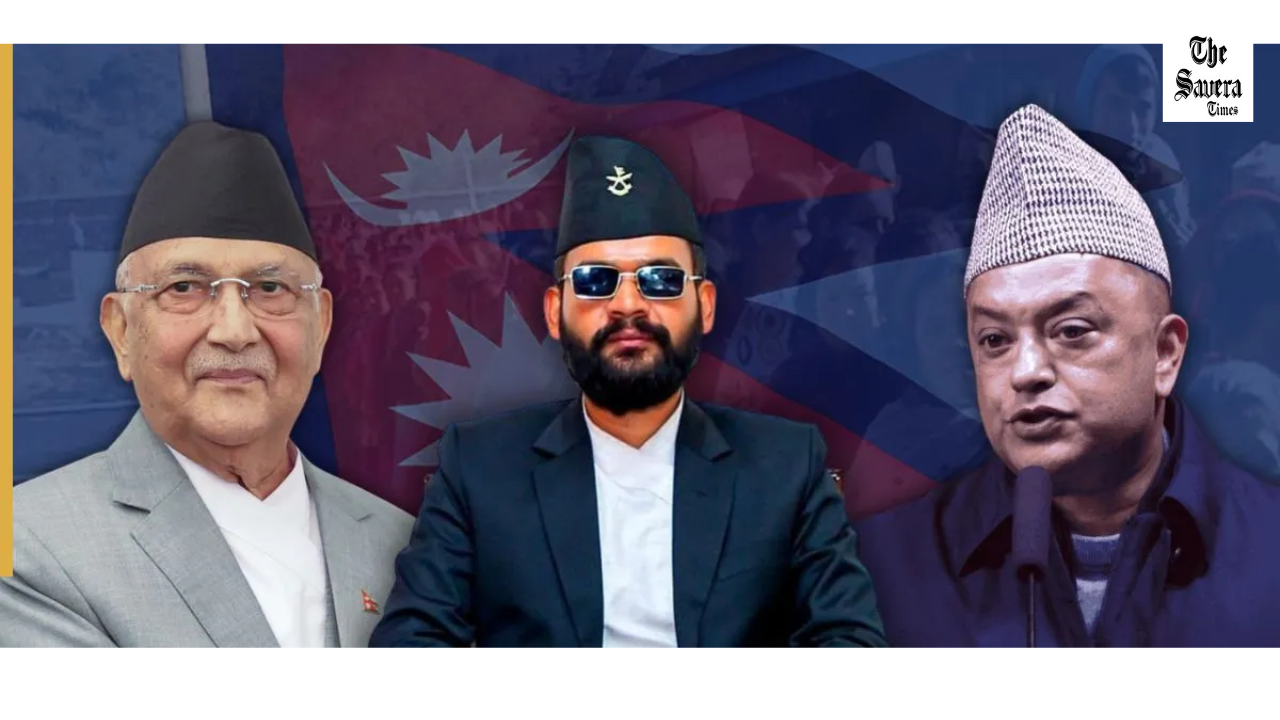
Early results from Nepal’s 2026 parliamentary elections indicate a major political shift, with the Rastriya Swatantra Party (RSP) led by Balendra “Balen” Shah heading towards a landslide victory. The election marks the first national vote since the massive Gen Z-led protests in 2025 that forced the previous government to step down, making it one of the most significant political developments in the country in recent decades.
According to initial vote counting trends, Shah’s party is leading in dozens of constituencies, signaling a strong mandate from voters who appear eager for change after years of political instability and corruption allegations against traditional parties.
The election result is widely being interpreted as a generational shift in Nepal’s politics, driven largely by young voters who participated actively in last year’s protests demanding accountability and reforms.
Balendra Shah, popularly known as Balen, is a former rapper-turned-politician who rose to prominence as the mayor of Kathmandu before entering national politics. Known for his outspoken style and anti-establishment image, Shah has built a strong following among young voters, especially through social media and youth outreach campaigns.
In January 2026, Shah resigned from his mayoral post to contest parliamentary elections under the banner of the RSP. His party campaigned heavily on issues such as anti-corruption measures, transparency in governance, digital reforms, and job creation.
His rise reflects a growing dissatisfaction among Nepali citizens with traditional political elites, who have dominated the country’s politics for decades.
The current election has its roots in the massive youth-led protests that erupted in September 2025. Demonstrations began after the government-imposed restrictions on social media platforms, but quickly expanded into a nationwide movement against corruption, unemployment, and political nepotism.
The protests turned violent in some areas, leading to clashes with security forces. At least 76 people were killed and more than 2,000 injured, and several government buildings were damaged during the unrest.
Amid growing pressure, then-Prime Minister K.P. Sharma Oli resigned, and an interim government was installed until fresh elections could be held in 2026.
Nepal’s parliament has 275 seats, with 165 elected directly from constituencies and 110 through proportional representation. Nearly 19 million voters were eligible to vote in the election, including a significant number of first-time voters from the generation that led the protests.
Political analysts believe the participation of young voters played a decisive role in boosting the RSP’s performance. Many voters see the party as an alternative to long-established parties like the Nepali Congress and the Communist Party of Nepal (UML).
If the current trends hold, the RSP’s strong showing could significantly reshape Nepal’s political landscape. A victory for Shah’s party would mark the first time a relatively new political force, driven largely by youth activism, comes close to forming the government.
Supporters believe the party could introduce reforms aimed at reducing corruption, improving governance, and creating employment opportunities for the country’s youth. However, critics argue that translating campaign promises into policy will be a major challenge in Nepal’s complex political environment.
As vote counting continues, attention is focused on whether the RSP can secure enough seats to lead the government. If successful, Balen Shah could emerge as one of the youngest and most unconventional leaders in Nepal’s modern political history.
For many observers, the election represents not just a change in leadership, but a broader transformation driven by Nepal’s younger generation demanding transparency, accountability, and a new political direction.
The Royal Swedish Academy of Sciences on Monday announced the 2026 Nobel Prize in Economics to American economists...
A Sudanese rights group says at least 72 gold miners were killed in an air strike near the...

US President Donald Trump is scheduled to attend the ASEAN summit in Manila on November 16 before travelling...
An Indian national injured in the October 10 attack on Riyadh’s King Khalid International Airport has died, taking...

Ukrainian President Volodymyr Zelenskyy says he was unaware of Donald Trump’s announcement of an immediate energy ceasefire between...

Colombian businessman Alvaro Pulido Vargas has been arrested in Florida over two US federal cases involving alleged bribery...
Aries: The day will be auspicious...