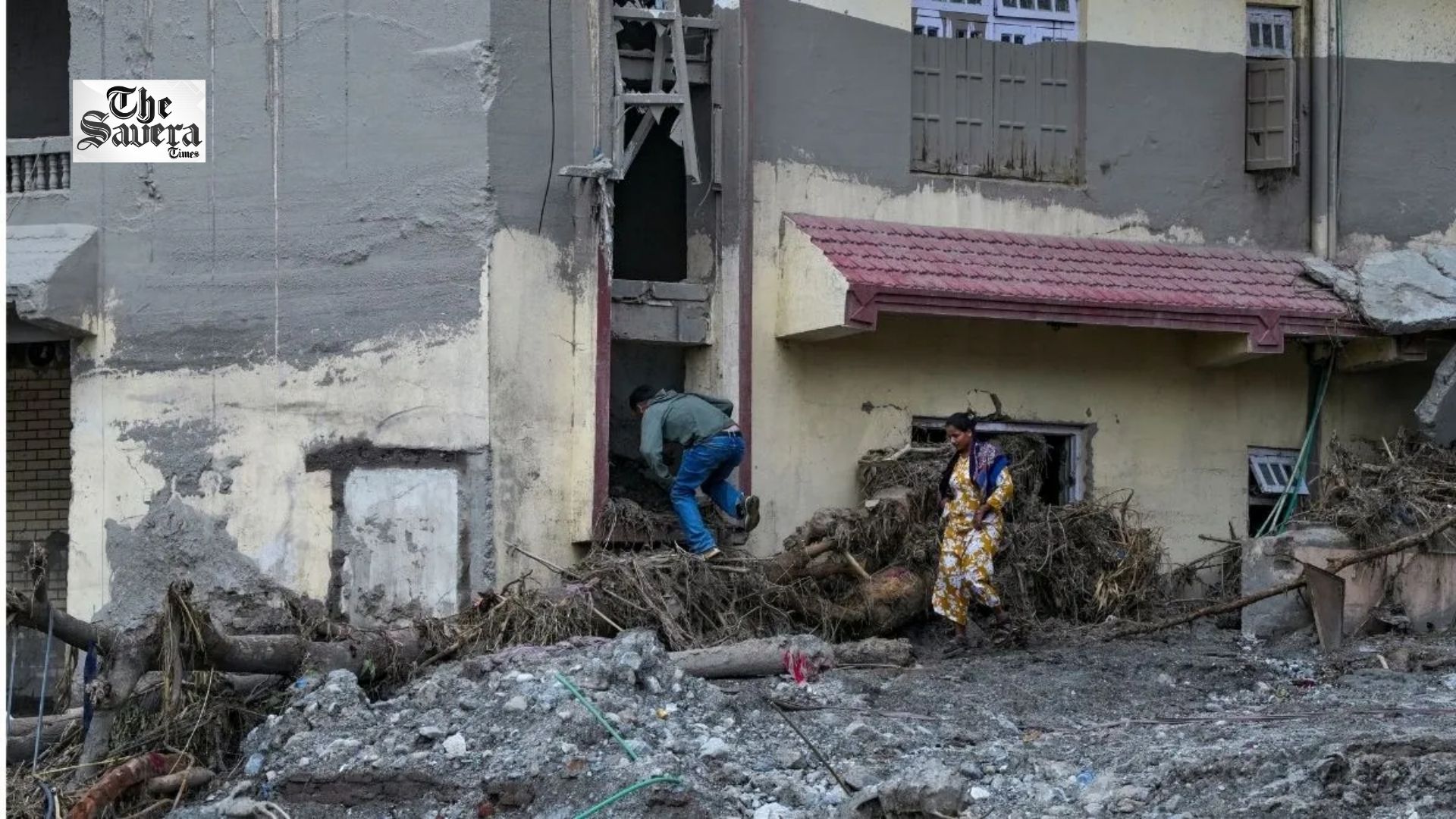
Kathmandu: Nepal is facing a fresh crisis in the aftermath of the devastating August 26 flash floods, with the death toll rising to 616 as authorities struggle to store and identify the bodies being recovered from downstream areas. Nepal Police said 2,301 people have been injured and rescued, while search and rescue operations continue across the affected districts.
The flash floods struck the Bhotekoshi river system in Nepal’s Rasuwa district on August 26. Bodies swept downstream from Rasuwa and Nuwakot have been recovered as far away as Chitwan, Tanahun, Gorkha and Nawalparasi, putting additional pressure on morgues and hospitals in several districts.
According to the latest figures, 233 bodies were recovered in Chitwan, 158 in Nawalparasi East, 48 in Gorkha, 47 in Nawalparasi West, 45 in Dhading, 41 in Nuwakot, 31 in Tanahun and 13 in Rasuwa. Chitwan has recorded the highest number of recovered bodies.
Morgues run out of space
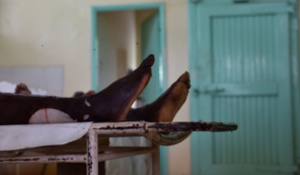
The rising number of bodies has overwhelmed morgue facilities in several districts. In Chitwan, hospitals can collectively accommodate only around 30 to 50 bodies, prompting authorities to prepare a temporary facility in Bharatpur that can hold around 250 bodies.
The situation is also critical in Pokhara, where 93 bodies have been transported from Tanahun, Gorkha, Nawalparasi East and Dhading. Hospitals in the city have a combined morgue capacity of around 88 bodies, leaving authorities with limited space to store additional remains.
In Nawalparasi East, hospitals and health facilities have also run out of adequate space, forcing authorities to transfer bodies to neighbouring districts and prepare temporary storage facilities. Dhading has similarly sent bodies to Kathmandu and Pokhara due to limited morgue and refrigeration capacity.
Identification of bodies becomes major challenge
Authorities are also facing difficulties in identifying bodies as remains continue to arrive from different flood-hit districts. Police are using photographs, fingerprints, post-mortem examinations and DNA samples to help establish the identities of unidentified victims.
Officials have said that DNA samples will be sent to Kathmandu for testing when necessary. Authorities are also preparing systems to manage unidentified bodies if relatives cannot be located or identification remains impossible.
The continuing recovery of bodies is expected to put further pressure on Nepal’s already stretched facilities as search and rescue teams continue operations in flood-hit areas.