Last Updated: October 15, 2026
Last Updated: October 15, 2026





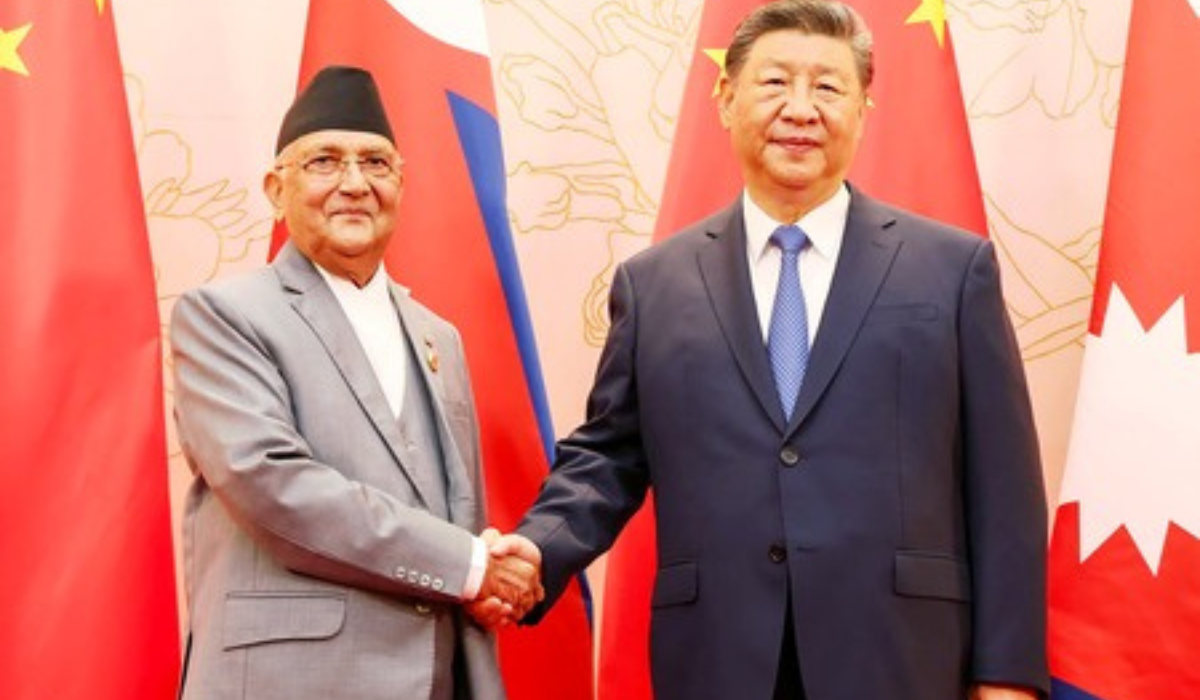
New Delhi: In a major political shift, the Rastriya Swatantra Party (RSP) secured a sweeping victory in Nepal’s parliamentary elections held on March 5, winning 182 seats in the 275-member House of Representatives. The party is led by Rabi Lamichhane, with Balen Shah emerging as a key leader and prime ministerial contender.
Traditional parties such as the Nepali Congress, CPN-UML, and Nepal Communist Party suffered major losses, marking a significant political transformation.
Decline of Communist Forces Raises Concerns in Beijing
The election results signal a sharp decline of communist parties in Nepal, which were traditionally seen as ideologically closer to China. Analysts believe this outcome may not favour Beijing, which has historically maintained close ties with leftist forces in Nepal.
Former ambassador Bishnu Pukar Shrestha noted that while China has congratulated the new leadership, it may be concerned about a possible increase in US influence in Nepal following the RSP’s victory.
China Signals Willingness to Work with New Government
Following the results, the Communist Party of China (CPC) extended congratulations to the RSP and expressed readiness to deepen cooperation, including under the Belt and Road Initiative (BRI).
China has traditionally worked with whichever party is in power but has previously been seen supporting the unification of communist forces in Nepal.
Foreign Policy Balance Likely Under New Leadership
Experts believe that despite the political shift, Nepal is unlikely to make drastic changes to its foreign policy. The RSP has indicated a balanced approach, aiming to maintain relations with both China and Western countries while focusing on national development.
Analysts also highlight Nepal’s strategic importance, including its role in regional geopolitics, infrastructure development, and issues related to Tibetan refugees.
Future of Leftist Politics Remains Uncertain
While communist parties have faced a major electoral setback, experts believe leftist ideology may still persist in Nepal’s political landscape. Political analysts suggest that even if traditional communist parties weaken, alternative left-leaning forces could emerge to represent socio-economic concerns in the future.
Jerusalem: The Israel Defence Forces (IDF) said in a statement on Wednesday that it had killed a Hamas...
US President Donald Trump has promised that if the Republican Party retains control of both houses of Congress,...
New Delhi: American singer Mary Millben on Wednesday made an explosive claim about the Delhi protests, alleging that...

Prime Minister Narendra Modi on Wednesday wished Pope Leo XIV a speedy and complete recovery. The Pope underwent...
A large group of Harvard University alumni expressed concern on Wednesday over the alleged negative propaganda and campaign...
US Secretary of State Marco Rubio will visit India and Uzbekistan from October 17 to 22. During his...
Aries: The day will be auspicious...