Last Updated: November 7, 2026
Last Updated: November 7, 2026





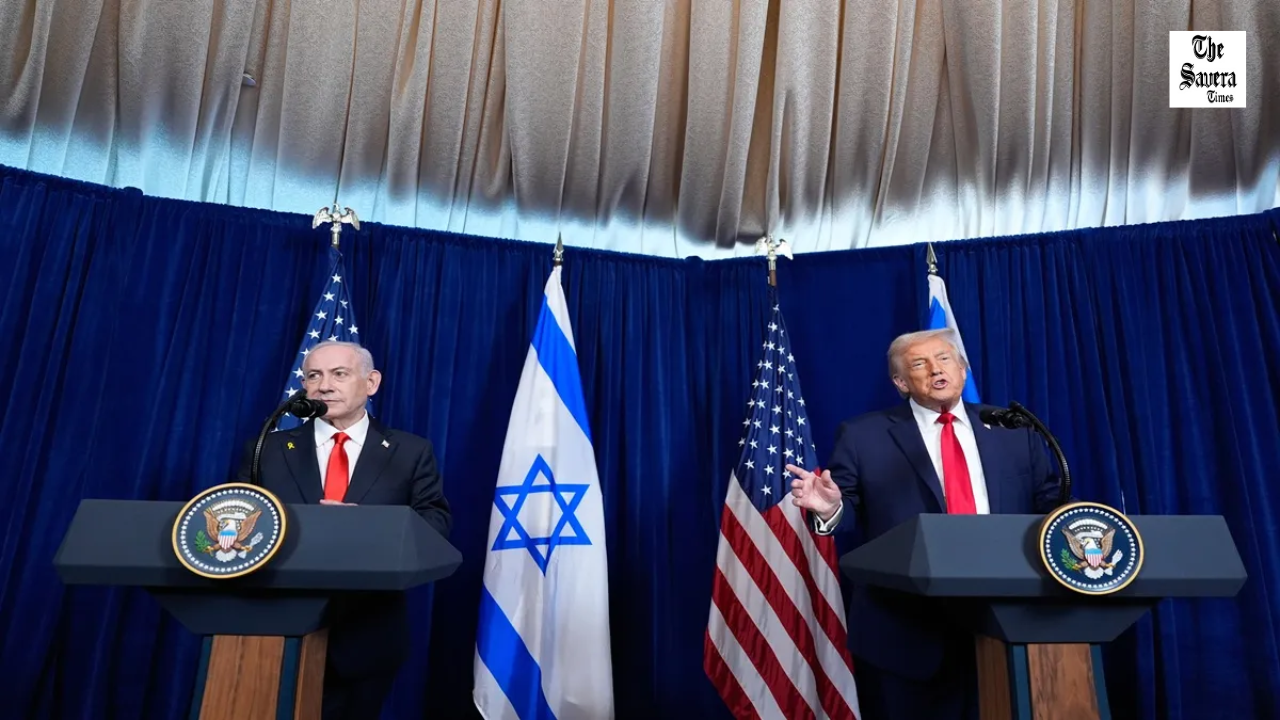
In a major diplomatic development, Israeli Prime Minister Benjamin Netanyahu has agreed to join U.S. President Donald Trump’s newly launched “Board of Peace”, a high‑profile global diplomatic initiative aimed initially at overseeing the ceasefire and reconstruction process in Gaza and potentially broader conflict resolution efforts. Netanyahu’s participation comes despite initial reservations over the involvement of regional rivals like Turkey.
The Board of Peace is a U.S.-proposed international body envisioned by President Trump to coordinate diplomatic, reconstruction, and governance efforts in Gaza under the fragile ceasefire framework agreed upon last year. While originally focused on Gaza’s post‑war stabilization, Trump has indicated that the initiative could evolve into a broader peace‑building platform for other global conflicts.
The board, which President Trump chairs, includes key figures from around the world and has been described by supporters as a vehicle to ensure lasting peace and stability. Critics, however, have raised concerns that it could undermine existing institutions such as the United Nations due to its U.S.-centric structure.
Before agreeing to join, Netanyahu’s office expressed reservations about the composition of the Board of Peace’s executive structure, particularly due to the inclusion of officials from countries with which Israel has strained relations, such as Turkey. Ankara’s role in Gaza governance was a sticking point, given long-standing regional tensions.
Despite the initial objections, Netanyahu eventually accepted the invitation and confirmed Israel’s participation. His decision signals a significant shift, underscoring a willingness to engage in multilateral mechanisms toward regional stability.
Several nations and leaders have also been invited to join the Board of Peace. Countries such as the United Arab Emirates and Azerbaijan have already signalled their support, while other key players are considering the invitation. France and some European governments have expressed cautious interest or reservations, particularly around the initiative’s implications for the United Nations’ traditional role in peace processes.
U.S. officials suggest the board will include a mix of political leaders, diplomats, and experts tasked with coordinating reconstruction, security, and governance efforts in Gaza and other conflict zones.
Netanyahu’s decision to join the Board of Peace reflects a pragmatic approach to navigating complex diplomatic terrain. While Israel’s security concerns and regional rivalries remain significant, participation in the initiative suggests an openness to cooperation on shared goals such as ending hostilities and rebuilding infrastructure.
Analysts say this move could help broaden diplomatic engagement beyond traditional bilateral talks, although it may also heighten scrutiny over the board’s structure, authority, and long‑term objectives relative to established international institutions like the UN.
The Board of Peace initiative is expected to be a central topic at upcoming international forums, including the World Economic Forum in Davos, where President Trump is scheduled to make further announcements. As the board’s membership and mandate continue to evolve, its role in shaping peace processes and post‑conflict governance will be closely watched by global leaders and diplomats alike.
A mural of Rabindranath Tagore at Bangladesh's Khulna Railway Station was defaced with black ink. Police have launched...

US President Donald Trump has described the confrontation with Iran as “not a war”, claiming Washington has made...

American governors and federal leaders celebrated Diwali while recognising the contributions of Indian Americans. President Donald Trump received...

Washington: A 30-year-old Venezuelan national was arrested near the White House after US Secret Service agents discovered three...

Washington: US President Donald Trump outlined plans for a sprawling aerospace exhibition venue at Florida’s former space shuttle...
Eight months after the US-Iran war, Iran has allowed Indian cargo ships to pass through the Strait of...

Aries: The day will be auspicious...