Last Updated: October 26, 2026
Last Updated: October 26, 2026





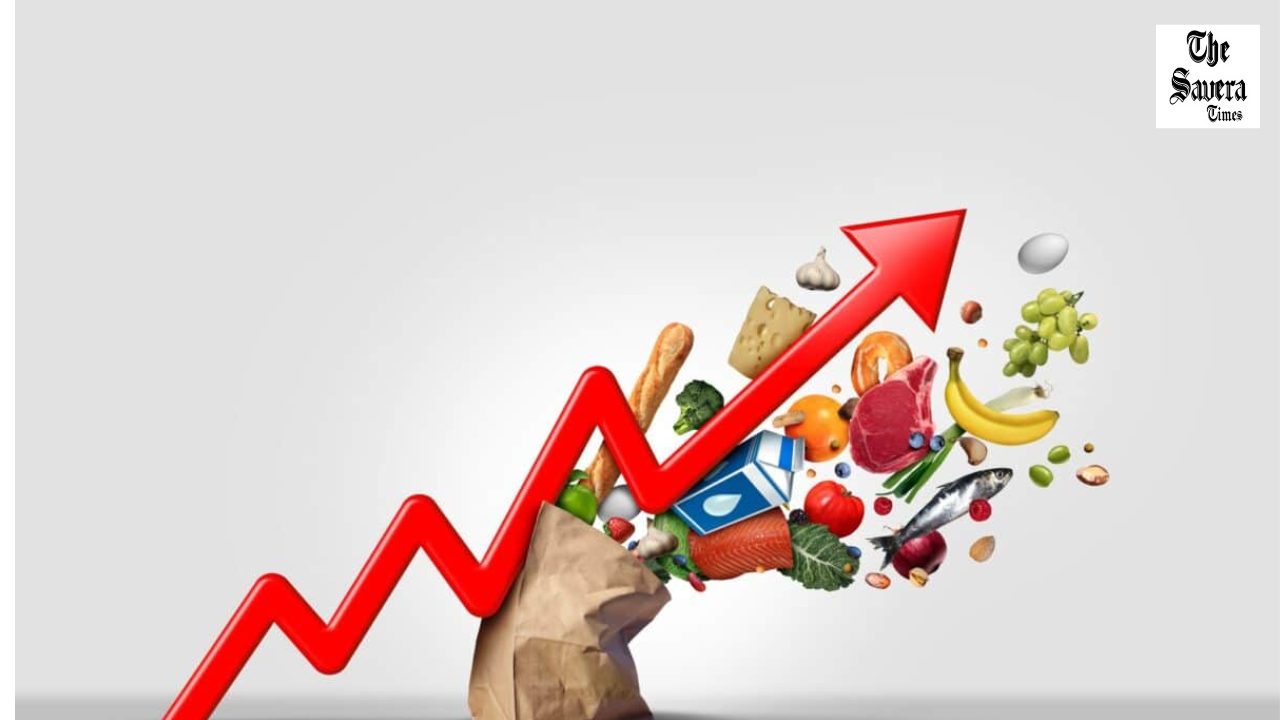
The June inflation index has been released. This index was calculated using an updated basket of inflation indicators, changing the base year. It doesn’t reflect the shocking spike in inflation that would have been evident if the base year hadn’t been changed.
The Reserve Bank has set a safe rate for retail inflation at 4 percent. Retail inflation had remained below 4 percent for the past 17 months, but in June, it surpassed the safe rate of 4 percent, reaching 4.38 percent. Understand that the inflation rate is an average, and the actual prices we pay for goods in the market can be much higher. However, since the Reserve Bank’s bi-monthly monetary policy is based on this, this rate is of great importance.
It can be said that food items are getting much more expensive than this. The June index also indicates that food inflation has reached 5.32 percent, compared to 4.78 percent in May. Another important point to consider is that food inflation was 5.45 percent in rural areas and 5.09 percent in urban areas.
This is the effect of marketization. Competition among retail markets in cities and the ease of access to products there is causing the rate to be lower. Because such regular markets do not exist in many rural areas, the retail inflation rate is higher. This simply means that due to unavailability, goods are sold slightly more expensively in rural areas than in urban areas.
While there was some relief in vegetables, prices of all other commodities have risen, making the average person’s meal seem more expensive. The overall inflation rate is influenced not only by food items but also by other factors, such as travel costs and transportation costs. Transport inflation has reached 4.31 percent.
This is because there was no reduction in the prices of petrol and diesel. Now, with the renewed war between the US and Iran, there is a possibility of disruption in the supply of crude oil and fuel, which will further increase inflation. The first impact will be on freight or goods transport services. The direct impact is that every commodity reaching India’s markets will become more expensive.
The future looks bleak in terms of prices now that the Gulf War has resumed. The Iranian and US blockade of Hormuz will impact half the world.
The latest news is that the US is demanding a 20 percent tariff for the safe passage of cargo ships through Hormuz. This suggests that the oil and gas shortage, along with the resulting tariffs, will further fuel inflation in the coming days.
India is the world’s third-largest importer. Rising oil prices in the global market could widen the country’s current account deficit and weaken the rupee even further. The result will be the same: unwarranted inflation.
India is already facing this situation, but it will worsen as the war escalates. To add insult to injury, the harsh weather is also poised to impact inflation. Weather forecasters predict a weak El Niño, with rainfall in some areas and more in others, resulting in lower crop yields. When crop production declines, prices will inevitably rise.
Based on the level of inflation, we can say that bad days are ahead.
Leader of the Opposition in the Lok Sabha, Rahul Gandhi, will visit Punjab's Sangrur district on November 4....

Good Evening Viewers! Stay updated with The Savera Times Evening Bulletin, bringing you the latest news and top...

The weather system forming in the Bay of Bengal is steadily strengthening. In view of this, Cyclone Warning...

A major road accident occurred in southeastern Kenya on Sunday morning. At least 22 people were killed and...
Hereditary Prince Alois of Liechtenstein will be on a four-day state visit from October 25 to 28 at...
Prime Minister Narendra Modi inaugurated the Reserve Bank of India’s new data centre and Cybersecurity Training Institute in...
Aries: The day will be auspicious...