Last Updated: October 21, 2026
Last Updated: October 21, 2026






Abhishek Vij
Since the outbreak of conflict involving the US, Israel, and Iran in West Asia, the economies of most nations—including India—have suffered a severe blow. With no end to the conflict in sight, the opposition argues that the “good days” promised to the public will not materialize; instead, “bad days” lie ahead, and an inflation crisis is imminent. However, the central government is striving to ensure that the Indian people do not face such hardships and to resolve the country’s economic woes. Prime Minister Narendra Modi has noted that India achieved a growth rate of 7.8 % in 2 quarters of the last year—the highest globally.
On Friday, while announcing its bi-monthly monetary policy, the Reserve Bank projected that the growth rate for the current year would dip from 6.9 percent to 6.6 percent. Economic analysts believe the Modi government is unlikely to let this happen and will provide an economic boost to the country. Prime Minister Modi has issued directives aimed at preventing capital flight and instead attracting more foreign investment into India. When tensions flared in the Gulf region in late February, disrupting global supply chains, foreign investors began selling off their holdings in India, causing the stock market to plummet. Although domestic investors provided support—as they did this time as well—the exodus of foreign investors continued. Now, the Modi government has offered significant relief to foreign investors by abolishing capital gains tax on earnings derived from the sale of government securities or the interest accrued on them. An ordinance to this effect has already been issued. The objective is clear: to increase the inflow of dollars into the country and stem the outflow of foreign investment. In fact, high crude oil prices and the sell-off by foreign investors in Indian markets had caused the rupee to depreciate by 5 percent against the dollar this year. The President has now amended the Income Tax Act. Under this initiative, a new category of tax-free income linked to investments in government bonds has been introduced. Capital gains tax will no longer apply to interest earned on government securities or to the sale, exchange, or transfer of foreign shares. The existing framework has been revised effective April 1, 2026. Previously, foreign investors were required to pay a 12.50% long-term capital gains tax on listed shares and bonds held for more than 12 months; this obligation has now been removed.
Additionally, the 20% withholding tax previously levied on interest earned from government bonds has been abolished. These measures are expected to improve returns for foreign investors and boost foreign investment. It is estimated that investors have withdrawn Rs 2.47 lakh crore from the Indian market this year. This figure is more than double the Rs 1.04 lakh crore withdrawn during the previous financial year (2025). Such moves will bolster the confidence of investors and producers, helping to avert a potential economic downturn. There is now a growing demand to extend similar benefits to the vast number of domestic investors as well. Domestic investors have provided significant support to the Indian market during challenging times; the question arises as to why their taxes have not been waived. Had taxes for domestic investors also been waived, it would have encouraged them to invest within the country. Economic experts have recently observed a trend where domestic investors are expanding their portfolios abroad, driven by the lure of higher returns. If domestic investors were also granted tax exemptions, they would undoubtedly contribute enthusiastically to the collective effort of strengthening the Indian economy
We are very proud that at present India is the number one country in the world by surpassing...

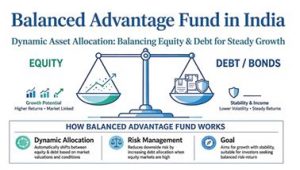
Every investor wants the wealth-creating power of equity and the reassuring stability of debt. Balanced Advantage Funds attempt...
Tourism is a major source of government revenue in our country. There are different types of tourism. Scenic...

Good Evening Viewers! Catch up on the day's biggest stories with The Savera Times Evening Bulletin. Get the...

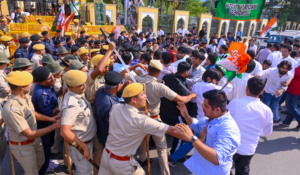
Congress leaders continued their protest outside the Jaipur Police Commissionerate on Tuesday, demanding the registration of a zero...
On the auspicious occasion of Vijayadashami, Prime Minister Narendra Modi on Tuesday called on the countrymen to unite...
Aries: The day will be auspicious...