Last Updated: October 23, 2026
Last Updated: October 23, 2026





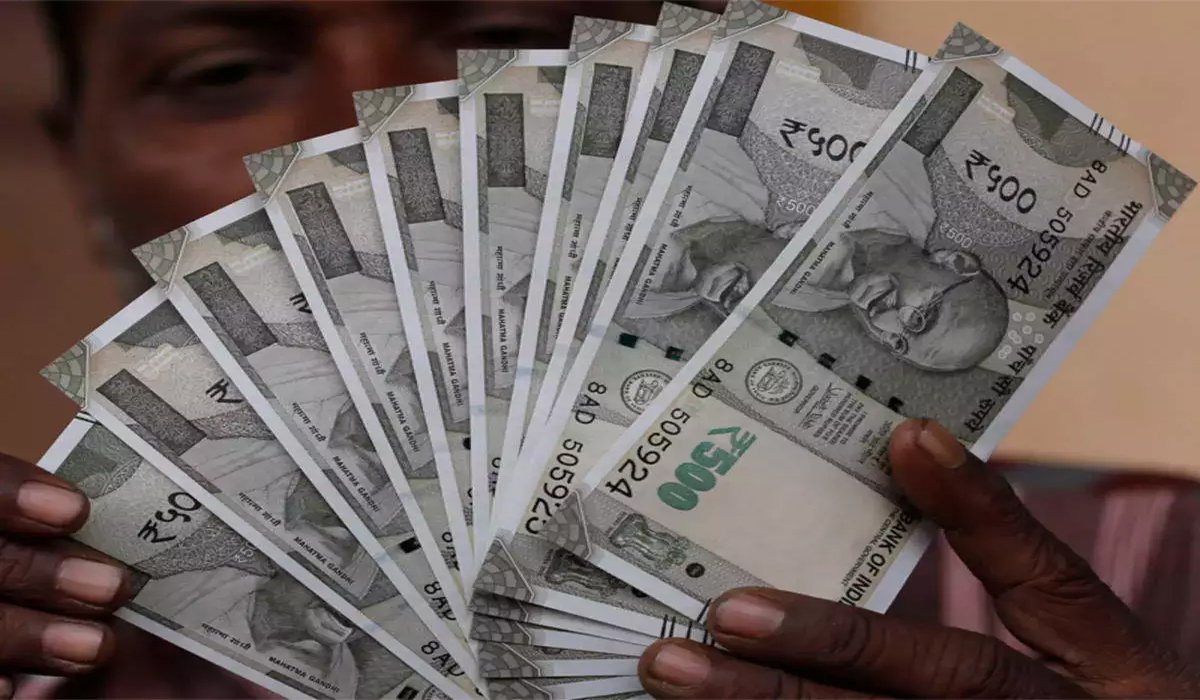
New Delhi: The New Year has begun, and several new rules have come into effect from January 1 that are set to directly impact the finances of the common people.
8th Pay Commission Comes Into Effect
One of the most significant changes is the implementation of the 8th Pay Commission from January 1, 2026.
The Union government had already approved the move earlier. The decision is expected to benefit around 50 lakh central government employees and nearly 69 lakh pensioners.
With the new pay commission, salaries of government employees may increase by 20 to 35 per cent.
LPG Price Hike for Commercial Cylinders
At the same time, the government has increased the price of LPG cylinders by ₹111 from January 1, 2026.
However, the hike applies only to 19-kg commercial LPG cylinders. Domestic LPG cylinders used for household cooking, which weigh 14.2 kg, have been kept unchanged, providing relief to families.
Fuel Relief: CNG and PNG Prices Reduced
There has also been some relief on the fuel front. Indraprastha Gas Limited (IGL) has revised CNG and PNG prices from the new year.
CNG prices have been reduced by Rs 3, while PNG has become cheaper by Rs 0.70. However, the revised rates will vary from city to city.
Another major change from January 1 relates to credit scores. Until now, credit scores were updated once a month.
Credit Score Updates Now Weekly
From 2026 onwards, credit scores will be updated every week, or every seven days. This means that people who pay their EMIs on time will see the benefits reflected more quickly in their credit profiles.
The deadline for linking PAN with Aadhaar ended on December 31, 2025. If the PAN was not linked to Aadhaar by this date, the PAN card becomes inactive from January 1.
PAN Linking Deadline Ends
An inactive PAN can create problems in filing income tax returns and carrying out high-value banking transactions.
PM Kisan Scheme Introduces Farmer ID
The central government has also introduced a new system for beneficiaries of the PM Kisan scheme in the form of a Farmer ID.
From January 1, 2026, this system is being implemented in several states, including Uttar Pradesh, Bihar and Madhya Pradesh.
Police in the Handwara subdivision of Jammu and Kashmir have busted a terrorist poster module and arrested one...
Social media influencer Aamir Shokin has been arrested for allegedly racially harassing and publicly humiliating a Tripura student....
Good Evening Viewers! Welcome to The Savera Times Evening Bulletin, bringing you the biggest news stories and major...

Two workers died and five others fell unconscious after a fire broke out at a gold jewelry factory...

Congress Parliamentary Party (CPP) Chairperson Sonia Gandhi launched her account on the social media platform Instagram on Thursday.

Congress MP Priyanka Gandhi Vadra's son, artist and photographer Rehan Vadra, has alleged that the Bikaner House administration...
Aries: The day will be auspicious...