Last Updated: September 22, 2026
Last Updated: September 22, 2026





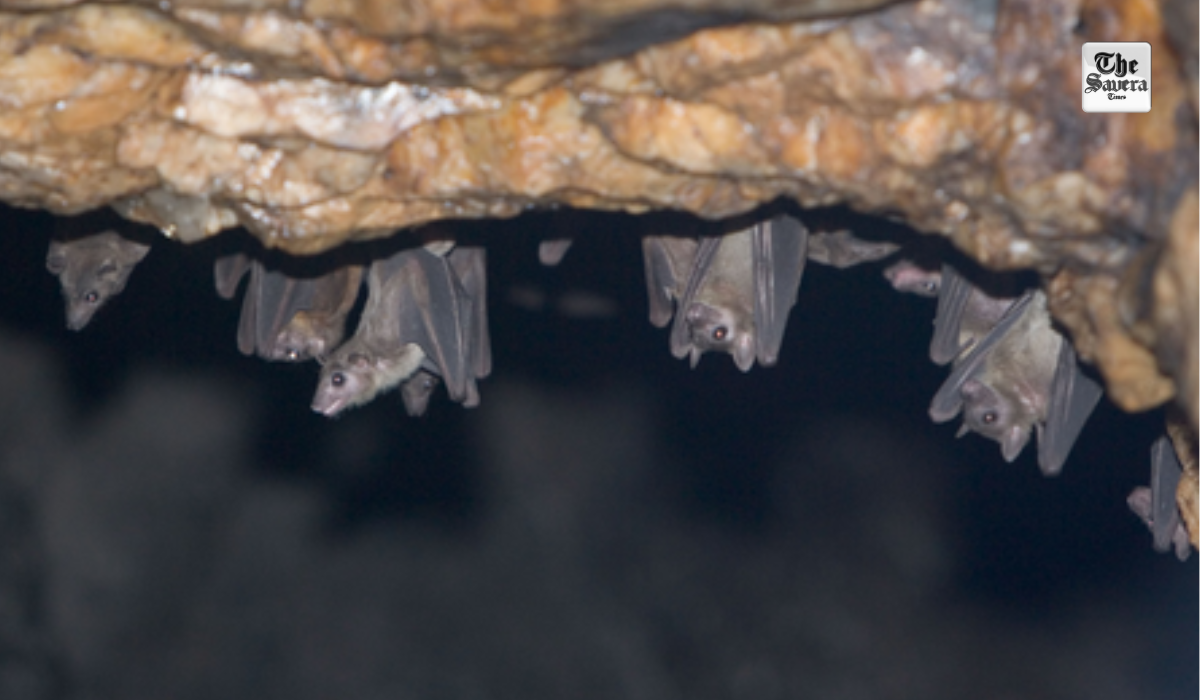
New Delhi: The ongoing Nipah outbreak in West Bengal, with cases rising to five in just a week, is a warning against intruding into animal habitats, health experts said on Friday. The first two patients — a male nurse from Purba Medinipur district and a female nurse from Mongolkot in Purba Bardhaman district who worked at a private hospital in Barasat in North 24 Parganas district — continue to remain in the ICU. All three new cases — a doctor, a nurse, and a health staff member — have been admitted to the infectious diseases hospital in Beleghata. The West Bengal government has also sent around 100 people into home quarantine since the first confirmed cases on Monday, with around 30 being closely monitored.
Human Intrusion Behind Virus Spillover
Health experts said that human intrusion into animal habitats, primarily through deforestation and intensive farming, has been a key driver of Nipah virus (NiV) emergence. This disruption forces fruit bats, the natural hosts of the virus, into closer contact with humans and domestic animals, increasing the risk of spillover. Although the exact transmission mechanism is not fully understood, consumption of bat-contaminated fruit and drinking raw date palm sap are believed to be possible routes.
“Nipah virus circulates in certain species of bats. Human infection is rare and usually the result of accidental spillover at the human-bat interface,” said Rajeev Jayadevan, Ex-President of IMA Cochin and Convener of the Research Cell, Kerala. Dr Ishwar Gilada, Secretary General of People’s Health Organisation (PHO), added that human-animal interaction, consumption of contaminated raw fruits, and drinking toddy or tadi could be possible causes behind recent outbreaks.
Can Nipah Trigger a Pandemic?
Experts said that although person-to-person transmission can occur, the present strain of Nipah does not have the characteristics of a pandemic virus. Nipah spreads through saliva, urine, and other body fluids, and can also transmit via droplets among close contacts, particularly if the patient has cough or vomiting. However, they noted that universal precautions such as wearing masks and gloves significantly reduce risks.
“Theoretically, any zoonotic infection has the potential to cause an epidemic or pandemic, but since its first outbreak in 1998, Nipah has not shown that pattern,” Dr Gilada said.
Early Detection and Public Awareness Crucial
With no proven antiviral treatment or vaccine for Nipah, experts stressed the importance of early detection and strict contact tracing. “Because Nipah carries a high mortality rate, it is essential to identify and isolate close contacts quickly to prevent further spread,” Jayadevan said. Delayed diagnosis could make containment more difficult.
He also highlighted the need to avoid disturbing bats. “Attempting to trap or drive bats away can increase the risk of spillover. Bats travel long distances, so such actions are ineffective and unsafe,” he warned. Gilada urged people to avoid consuming raw fruits, toddy or tadi, and to follow strict infection control measures such as sanitisation, mask use, and distancing.
Healthcare systems must remain vigilant, Jayadevan added. “Patients showing symptoms of viral encephalitis or pneumonia in Nipah-prone areas should be evaluated promptly, especially if they develop seizures, confusion, or coma.”
The collective knowledge of digitization, computers, and the power of the internet is proving artificial intelligence to be...

Over 12.22 crore individual toilets have been built in rural households across India, and 98,273 biogas plants have...

The chief ministers of Uttar Pradesh, Uttarakhand, Himachal Pradesh, Rajasthan, Delhi and Haryana signed an agreement on September...

As Brussels moves the trade agreement between India and the European Union (EU) towards signature, India and Italy...

India’s festive hiring is expected to rise 15–20 per cent this year, with the 2026 festive season likely...

Stay updated with the biggest India and world headlines, breaking news, political developments, business updates, sports and other...

Aries: The day will be auspicious...