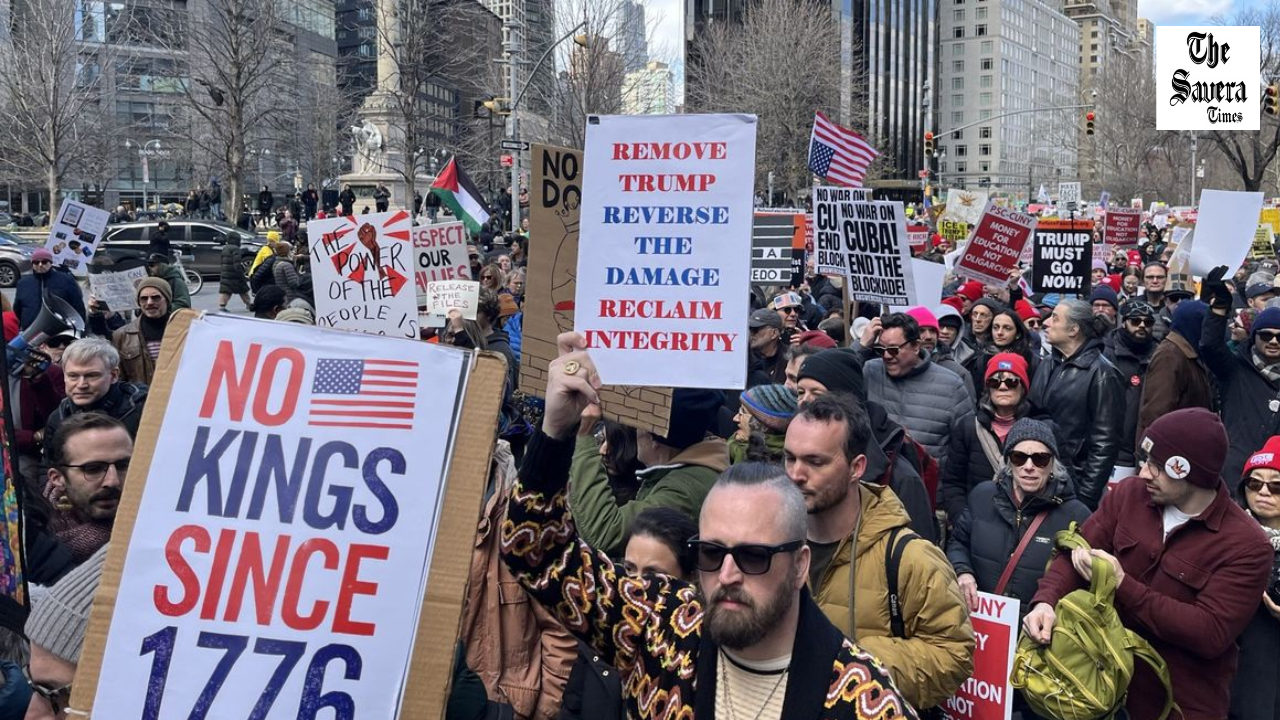
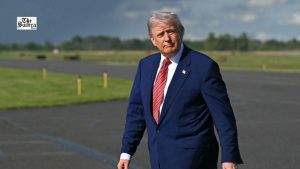
More than eight million people reportedly participated in large-scale “No Kings” protests across the United States, marking one of the biggest waves of demonstrations in recent times. The protests were directed against former US President Donald Trump and his political influence.
Demonstrations were held in multiple cities, with crowds gathering in public spaces, streets, and government buildings to voice their opposition.
What is the ‘No Kings’ movement?
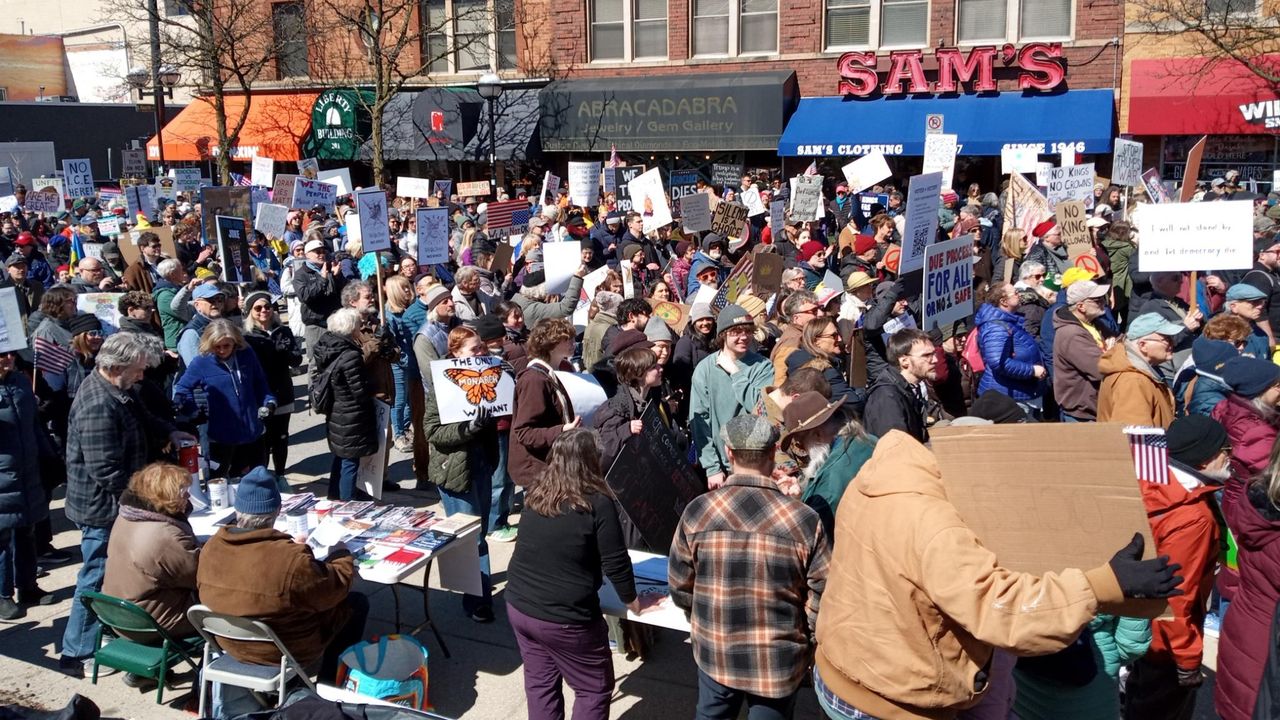
The “No Kings” movement is a protest campaign symbolising resistance against what demonstrators describe as authoritarian tendencies in politics. Protesters used slogans, placards, and speeches to highlight concerns about democracy, governance, and civil liberties.
Organisers framed the movement as a stand against any form of leadership perceived to undermine democratic values, using the phrase “No Kings” to emphasise equality and accountability.
Participation across cities and states
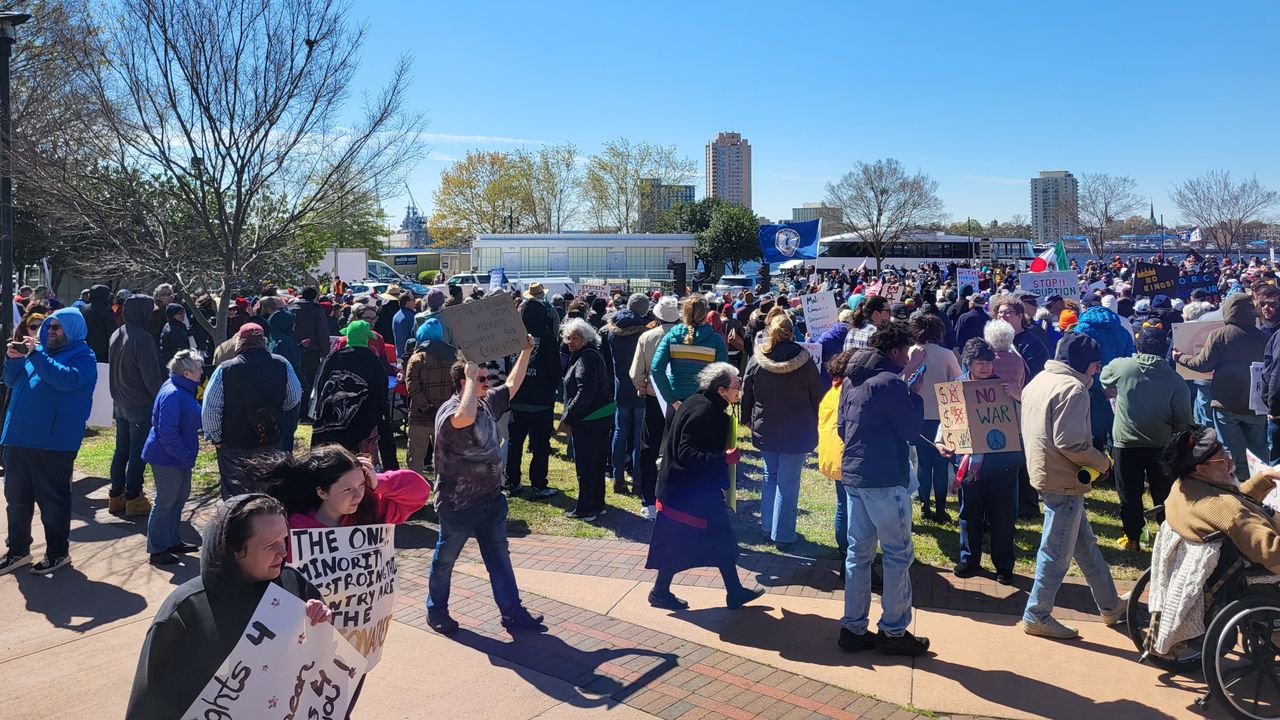
The protests saw participation from diverse groups, including students, workers, activists, and civil society organisations. Major cities like New York, Los Angeles, Chicago, and Washington, D.C. witnessed large gatherings.
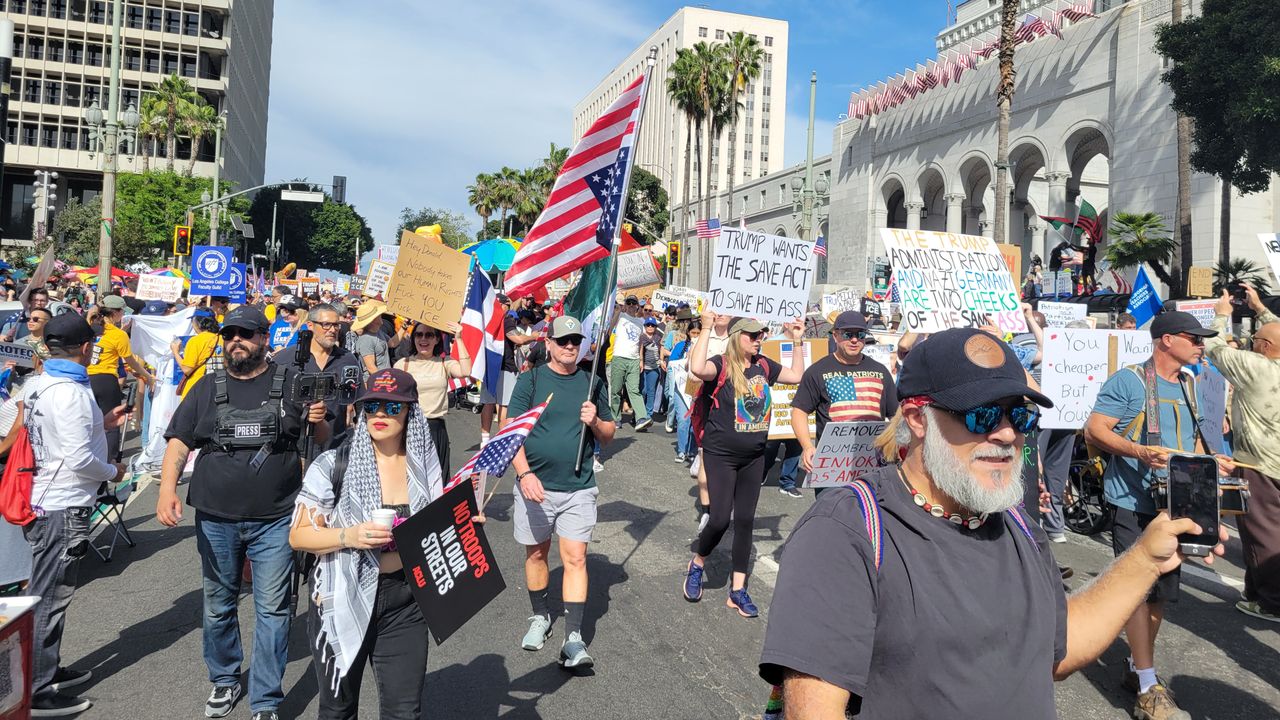
Marches, rallies, and sit-ins were organised peacefully in most locations, with participants calling for unity and democratic reforms. Reports suggest that the scale of participation made it one of the most widespread protest movements in recent years.
Key issues raised by protesters
Demonstrators raised several issues during the protests, including concerns about political polarisation, judicial independence, and the role of leadership in shaping national policies.
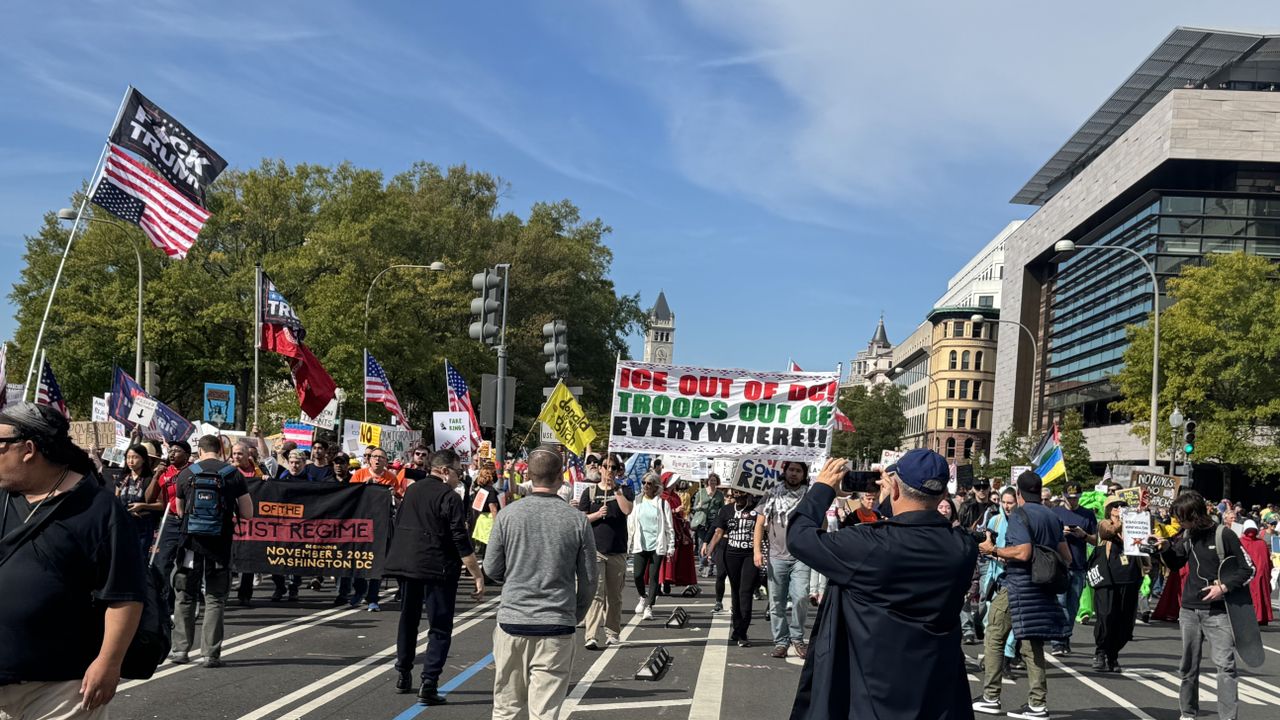
Many participants expressed worries over the future of democratic institutions and called for greater transparency, accountability, and inclusiveness in governance.
Placards and speeches at the rallies reflected a wide range of concerns, from civil rights to economic inequality.
Response from authorities and leaders
Authorities in various cities deployed security personnel to maintain law and order during the protests. In most cases, the demonstrations remained peaceful, with minimal incidents of violence reported.
Political reactions were mixed, with some leaders supporting the right to protest and others criticising the demonstrations as politically motivated.
Donald Trump has not issued a detailed response to the protests so far, but his supporters have dismissed the movement as an organised opposition campaign.
Social media amplifies the movement
Social media platforms played a significant role in mobilising participants and spreading awareness about the protests. Hashtags related to “No Kings” trended widely, helping organisers coordinate events across multiple cities.
Live streams, photos, and videos from protest sites further amplified the scale and impact of the demonstrations.
Political implications ahead
The protests could have significant political implications, especially with upcoming elections in the United States. Analysts believe that such large-scale demonstrations may influence public opinion and shape political narratives.
The movement also reflects the deep divisions within American society, highlighting the challenges faced by political leaders in addressing diverse viewpoints.