Last Updated: October 21, 2026
Last Updated: October 21, 2026





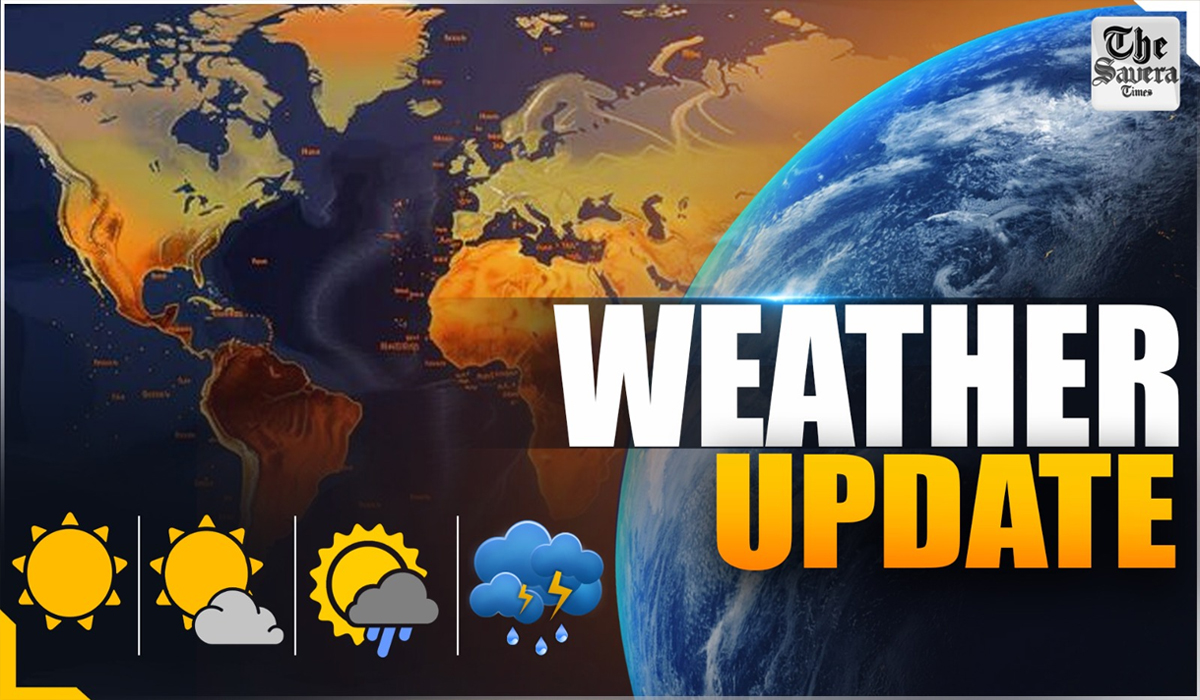
The weather in Punjab remains clear. However, air quality is deteriorating in some cities. The maximum temperature has increased slightly by 0.5 degrees, which is considered normal, while the minimum temperature has decreased by 0.7 degrees. The northwesterly winds are gradually cooling the nights in the state.
Meanwhile, pollution levels have not changed much. PM10 levels in the state remain in the “very unhealthy” category, at around 144. PM2.5 levels have also reached around 77, which is considered unhealthy.
Of the eight air quality monitoring stations in the state, only Amritsar and Bathinda recorded better air quality (less than 100 AQI). The remaining cities recorded air quality in the yellow zone, or moderate.
Effect of Northwest Winds
According to the Meteorological Department, winds are currently blowing from the northwest direction in Punjab. These winds are moving pollutants from the interior of the state to neighboring regions. This can lead to smog and smoke in some areas, while the air is relatively clean in others.
Significant Decline in Stubble Burning Cases
According to data from the Punjab Pollution Control Board (PPCB), only 188 cases of stubble burning were reported in the state from September 15 to October 16, 2025. This number is nearly 80% lower than the 1,212 cases in the same period last year and the 1,388 cases in 2023. This decrease is attributed to strict monitoring, fines, and extensive awareness campaigns.
Bathinda Hottest, Gurdaspur Coldest
In terms of temperature, Bathinda is currently the hottest city in the state, with a maximum temperature of 34.6 degrees Celsius. Meanwhile, Gurdaspur recorded a minimum temperature of 15.4 degrees Celsius, the coldest in the state.
Overall, the weather in Punjab is currently normal, but pollution levels remain concerning. Weather experts say that air quality in the coming days will depend on wind direction and stubble burning.
Punjab Chief Minister Bhagwant Mann was allegedly detained for three hours at Delhi airport upon his return from...

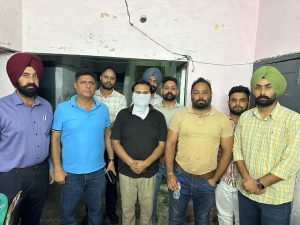
The Punjab Vigilance Bureau (VB) during its ongoing drive against corruption in the state, has apprehended Inspector Gulshan...
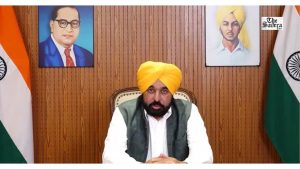
Chief Minister Bhagwant Mann may soon hold a press conference or release a video message amid Union Home...
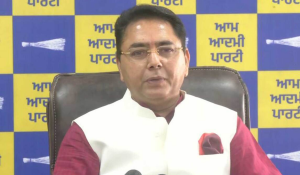
Punjab Cabinet Minister Aman Arora welcomed Union Home Minister Amit Shah's visit to Punjab on Tuesday. However, he...
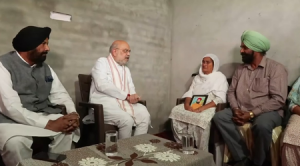
Gurdaspur: Union Home Minister Amit Shah on Tuesday met with the families of those who spoke out against...
Mansa: A shocking incident was reported from Mansa in Punjab on Tuesday morning, where a Punjab Police head constable...