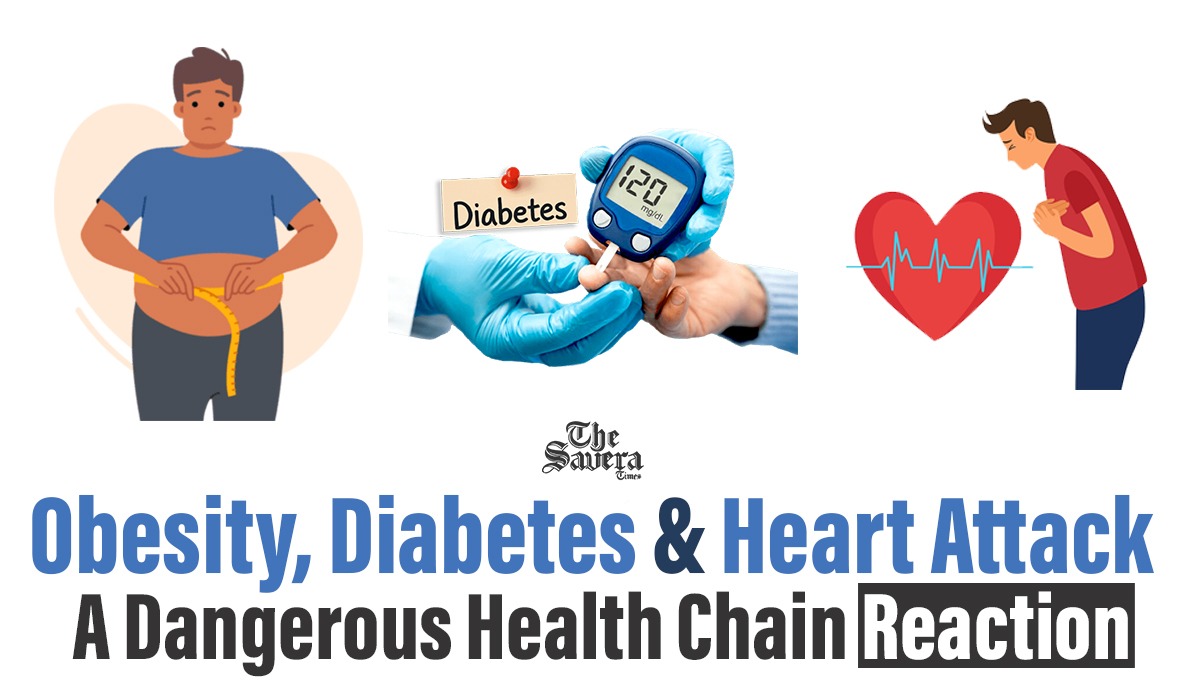
Across the world, doctors increasingly warn about a dangerous health triangle: obesity, diabetes and heart disease. These three conditions are deeply connected and often develop in a sequence, creating a chain reaction that significantly raises the risk of heart attacks and other life-threatening complications.
Medical researchers often refer to this connection as a “metabolic chain reaction” because one condition frequently triggers the next. Understanding how this cycle begins and how it progresses can help people prevent serious health outcomes.
The Metabolic Triangle: Three Diseases, One Cycle
Obesity, diabetes and cardiovascular disease are not isolated illnesses. They share common biological mechanisms such as inflammation, insulin resistance, abnormal cholesterol levels and high blood pressure. These factors damage blood vessels and organs over time, leading to severe complications.
Doctors sometimes use the term “diabesity” to describe the close relationship between obesity and diabetes. Studies show that most people with type-2 diabetes are also overweight or obese, highlighting how strongly the two conditions are linked.
This metabolic triangle creates a vicious cycle: excess body fat increases the risk of diabetes, and diabetes significantly raises the risk of heart disease and heart attacks.
Which Disease Usually Comes First?
In most cases, obesity is the starting point of the chain reaction.
Excess body fat especially abdominal fat triggers metabolic changes in the body. Fat cells release inflammatory chemicals and hormones that disrupt normal insulin function. Over time, this leads to insulin resistance, a condition in which the body cannot effectively use insulin to regulate blood sugar.
As insulin resistance worsens, blood sugar levels rise and eventually develop into type-2 diabetes.
Once diabetes develops, the risk of cardiovascular disease including heart attacks rises sharply.
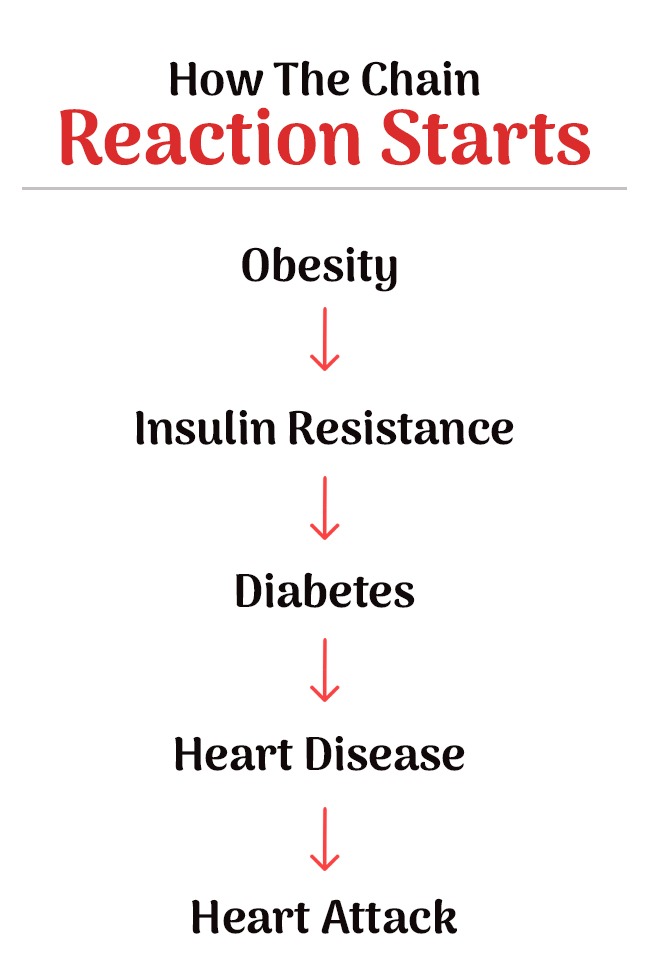
So, the most common sequence looks like this:
Obesity → Insulin Resistance → Diabetes → Heart Disease → Heart Attack
However, the order can sometimes vary depending on genetics, lifestyle, and underlying health conditions.
Step 1: Obesity Triggers Metabolic Damage
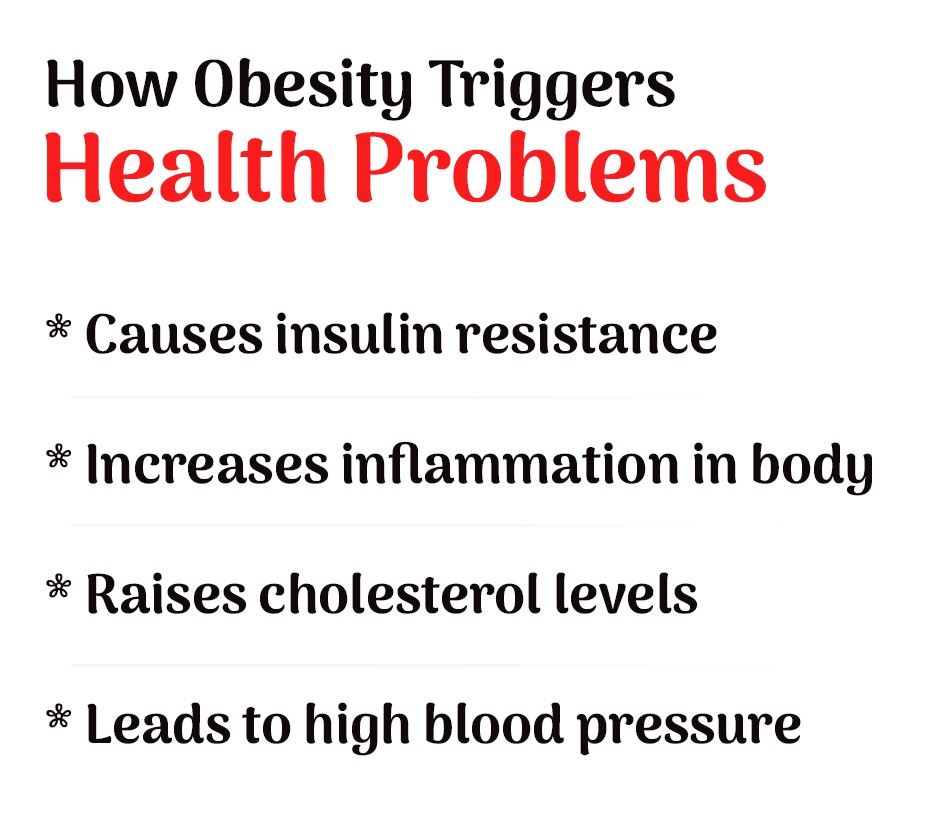
Obesity affects the body far beyond weight gain. Excess fat tissue acts like an endocrine organ that releases hormones and inflammatory molecules.
These changes cause several harmful effects:
All these factors together are part of what doctors call metabolic syndrome, a cluster of conditions that dramatically increases the risk of diabetes and heart disease.
Obesity also forces the heart to work harder because the body needs more blood vessels to supply the additional tissue.
Step 2: Obesity Leads to Type-2 Diabetes
One of the most serious consequences of obesity is type-2 diabetes.
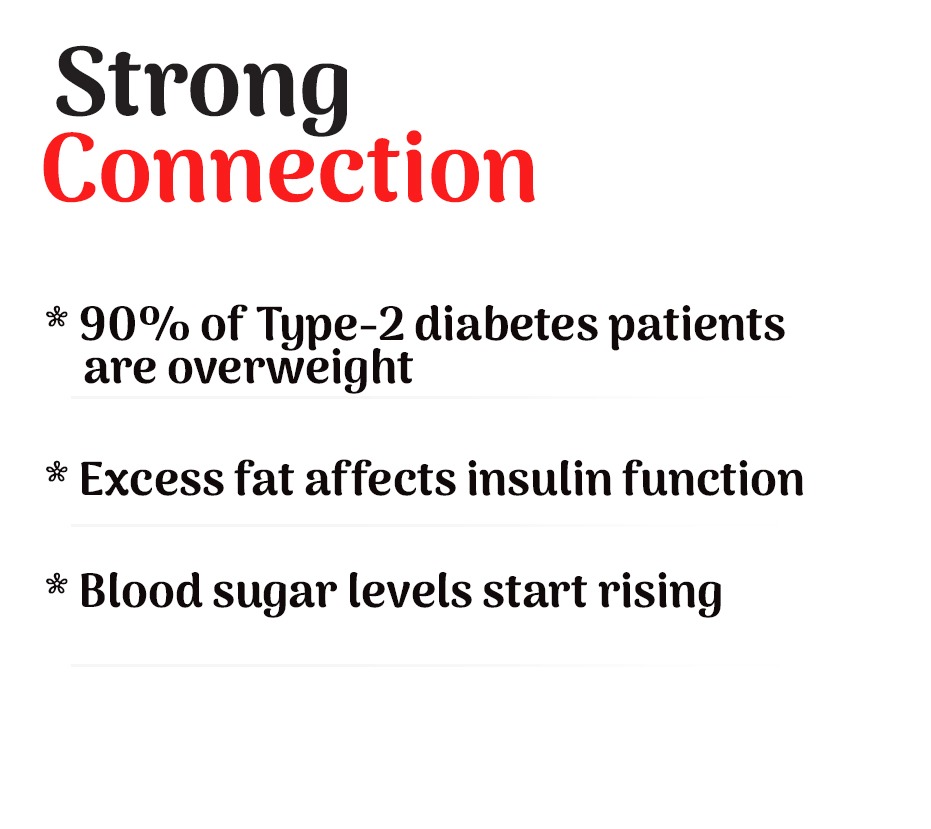
In obese individuals, fat accumulation interferes with insulin signalling in muscles and the liver. The pancreas tries to compensate by producing more insulin, but over time it cannot keep up with the body’s demand. Eventually, blood sugar levels remain permanently elevated.
Around 90% of people with type-2 diabetes are overweight or obese, which explains why the two diseases are so closely linked.
High blood sugar levels then begin to damage blood vessels and organs throughout the body.
Step 3: Diabetes Damages Blood Vessels
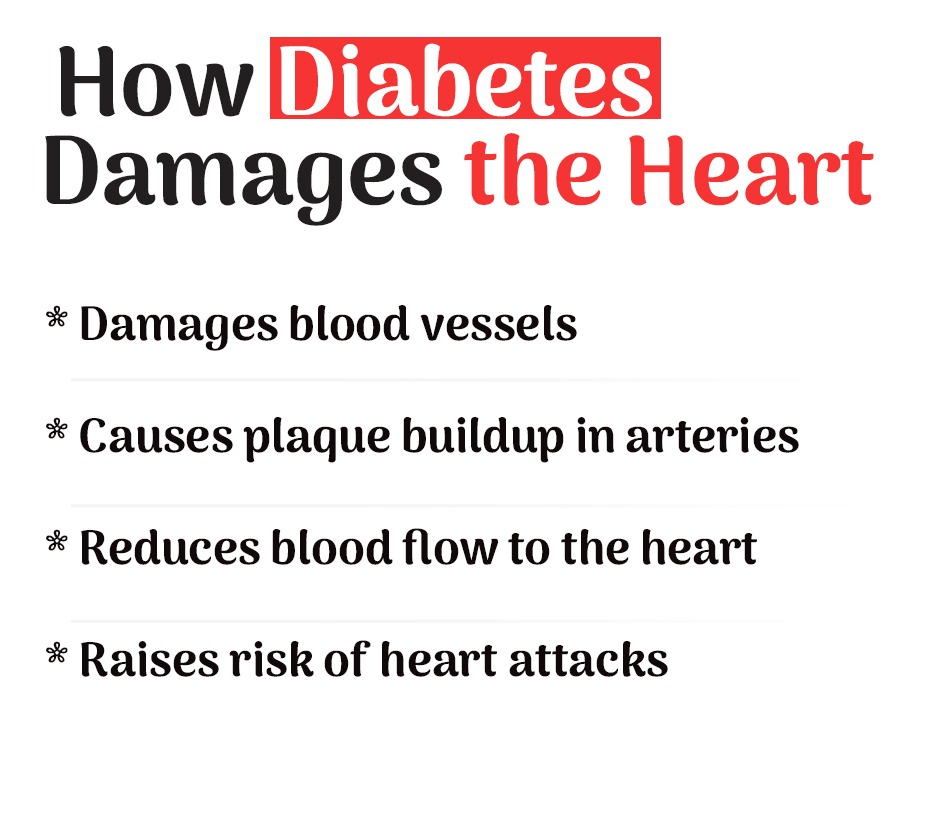
Diabetes significantly increases the risk of cardiovascular disease because high blood sugar harms the circulatory system.
Over time, elevated glucose levels damage the inner lining of blood vessels. This allows fatty deposits and cholesterol to accumulate inside arteries, forming plaques.
This process is known as atherosclerosis, where arteries become narrow and stiff due to plaque buildup.
As arteries narrow, blood flow to the heart decreases, raising the likelihood of coronary artery disease and heart attacks.
Step 4: The Heart Comes Under Stress
Both obesity and diabetes put enormous strain on the heart.
Excess body weight increases the volume of blood circulating through the body, forcing the heart to pump harder. Over time, this leads to structural changes in the heart muscle and can cause heart failure.
At the same time, diabetes damages blood vessels and nerves that control the heart, making cardiovascular disease much more likely.
Research shows that people with diabetes are nearly twice as likely to develop heart disease or stroke compared to those without the condition.
Why These Diseases Often Occur Together
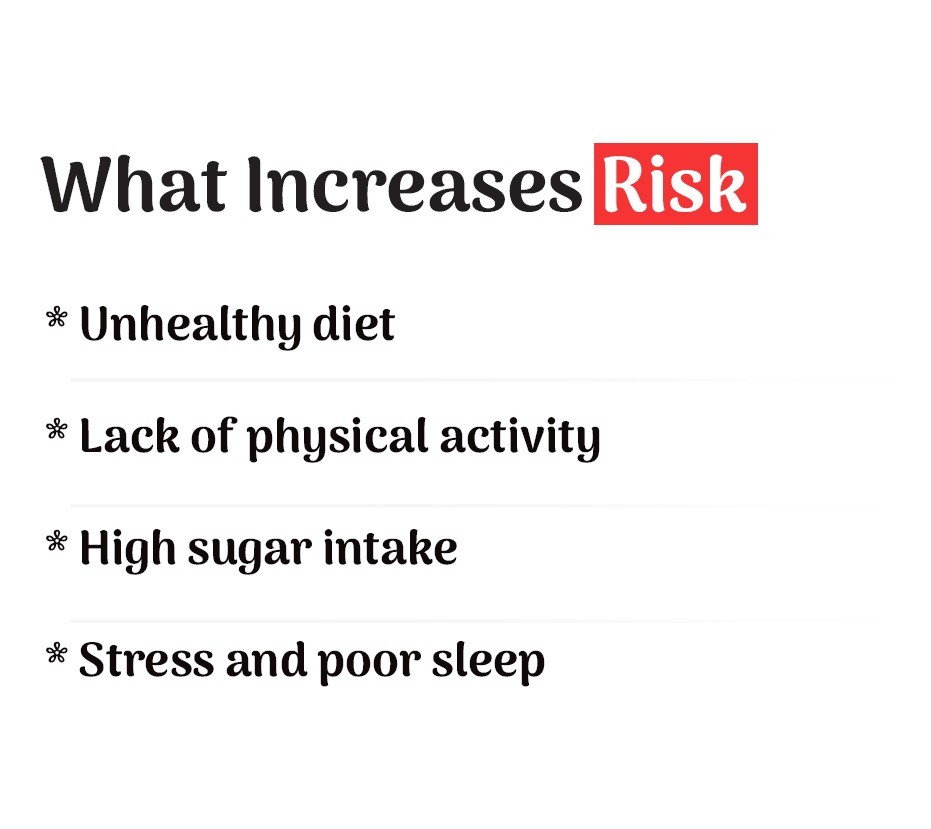
Several shared risk factors explain why obesity, diabetes and heart disease frequently occur together:
-
Sedentary lifestyle
-
Unhealthy diet high in sugar and processed foods
-
Genetic predisposition
-
Chronic inflammation in the body
-
High blood pressure and cholesterol
These factors interact with each other, creating a feedback loop that worsens metabolic health.
Can the Chain Reaction Be Stopped?
The good news is that this chain reaction can often be prevented or reversed in its early stages.
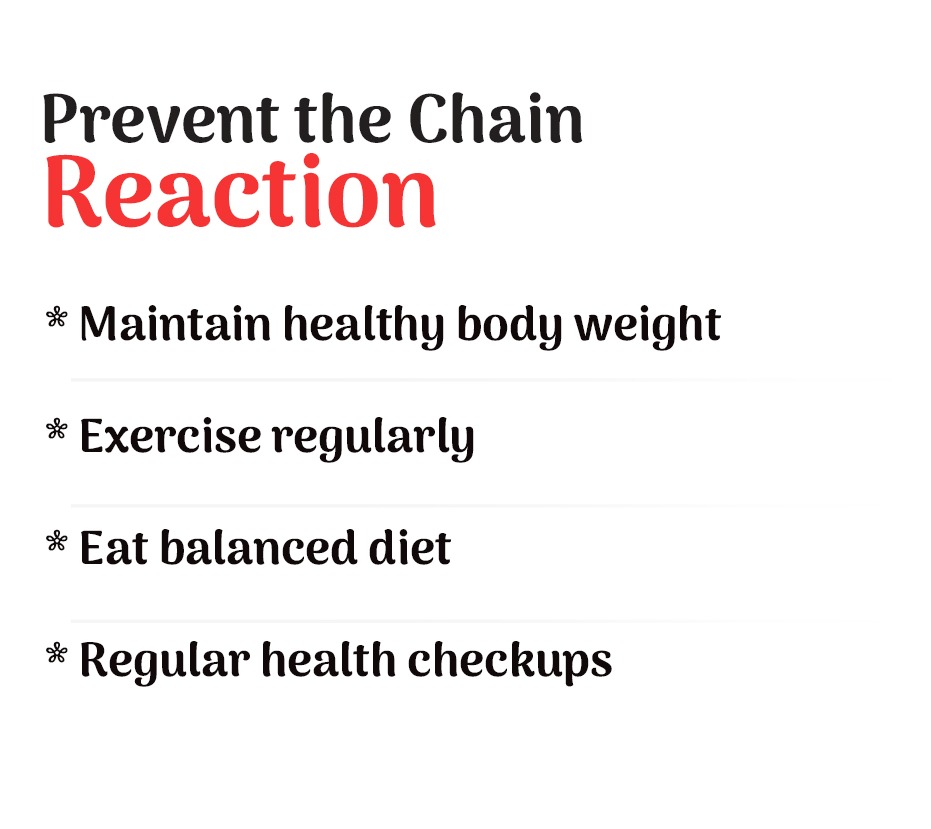
Health experts recommend several key lifestyle changes:
-
Maintaining a healthy body weight
-
Exercising at least 30 minutes daily
-
Eating a balanced diet rich in fruits, vegetables and whole grains
-
Controlling blood pressure and cholesterol
-
Regular health screenings for blood sugar and BMI
Even modest weight loss can significantly reduce the risk of developing diabetes and heart disease.
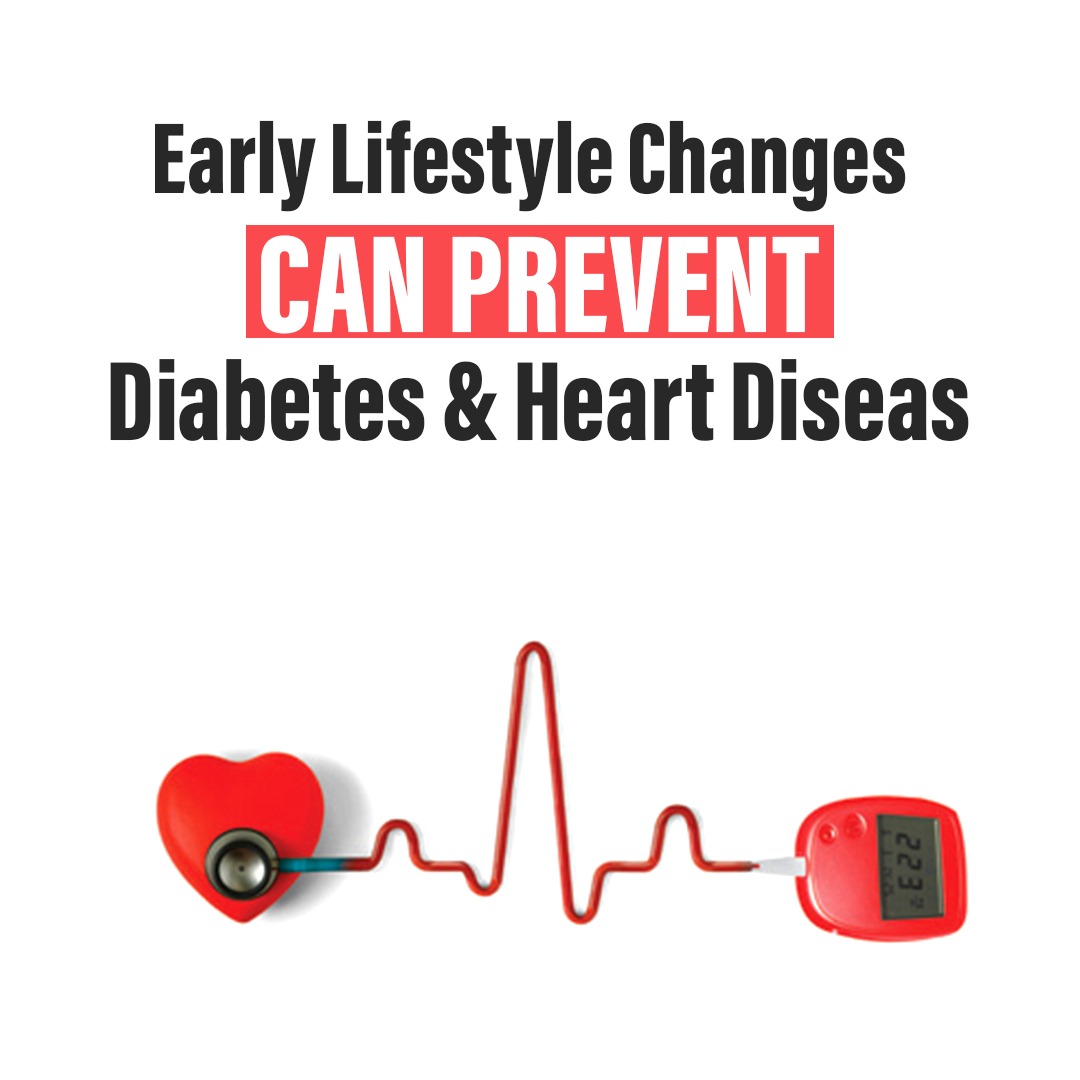
Obesity, diabetes and heart attacks are deeply interconnected conditions that often develop in sequence. In most cases, obesity is the first trigger, leading to insulin resistance and diabetes, which then damages blood vessels and increases the risk of heart disease.
Understanding this chain reaction is critical because preventing obesity or managing it early can dramatically reduce the risk of the other two diseases. With healthier lifestyles and early medical intervention, the metabolic cycle can be broken protecting both heart health and overall well-being.