Last Updated: October 21, 2026
Last Updated: October 21, 2026





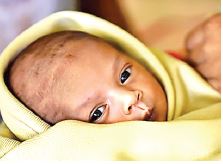
On June 14, 2025, Somari (name changed) held her baby girl for the last time. Barely 17 days old and weighing just 2.22 kilogrammes at birth, the infant’s death in Keonjhar district’s Harichandanpur block highlights the continuing gaps in Odisha’s maternal and child health system.
What makes her story particularly tragic is that Somari did everything expected of her. She registered for antenatal care, accessed Integrated Child Development Services, and gave birth in a healthcare institution. Yet, her daughter did not survive — one more life lost to a preventable cause in a state that continues to struggle with infant mortality.
Odisha’s progress in reducing infant mortality has been steady but uneven. The latest Sample Registration System (SRS) bulletin (Volume 57, No. 1) puts the state’s Infant Mortality Rate (IMR) at 32 deaths per 1,000 live births, down from 51 in 2013. While this shows improvement, it still lags behind the national average of 26.
Nutrition indicators reveal deeper concerns. Only one in five children aged 6–23 months receives an adequate diet — better than the national average of 11.1 percent, but still poor. The lack of dietary diversity and meal frequency reflects poverty and limited access to nutritious food. Nearly two-thirds of children under five are anemic, leaving them vulnerable to infections, stunting, and early death.
Social factors compound the crisis. One in five women in Odisha is married before 18, and adolescent pregnancies stand at 20.5 percent. A third of women are illiterate, leaving many young mothers without the information or support to safeguard their own health or that of their babies. These intersecting challenges drive poor maternal and child survival outcomes across the state.
The Odisha government has launched multiple initiatives to tackle these problems. Schemes such as the Maternity Benefit Programme and Janani Suraksha Yojana provide cash incentives to pregnant and lactating women to promote nutrition, institutional deliveries, breastfeeding, and immunisation.
The Janani Shishu Suraksha Karyakram covers medicines, diagnostics, and transport to reduce financial barriers. Village Health and Nutrition Days bring essential services such as check-ups, vaccination, and counselling closer to communities.
Community-driven programmes like the Sishu Abong Matru Mrityuhara Purna Nirakaran Abhiyan focus on reducing maternal and child deaths, while the Community Management of Acute Malnutrition and Pada Pushti Karyakram aim to reach malnourished children and remote areas with poor Anganwadi access.Despite these efforts, progress remains fragile. To further reduce infant mortality, Odisha must strengthen maternal, newborn,
A fire in a hut in Nonapar village of Deoria district claimed three lives, including those of a...
Amit Shah paid tribute to police personnel who died in the line of duty at the National Police...

Reduced water levels at Har Ki Pauri and other Haridwar ghats have inconvenienced pilgrims during the Upper Ganga...

Six people returning from a Dussehra Mela were seriously injured when a car hit them on National Highway...

A bus travelling from Pachiound to Ramnagar fell into a gorge at Gulli Gula in Udhampur district. Nine...

Start your day with The Savera Morning Brief, bringing you the latest news from India and around the...

Aries: The day will be auspicious...