Last Updated: October 6, 2026
Last Updated: October 6, 2026





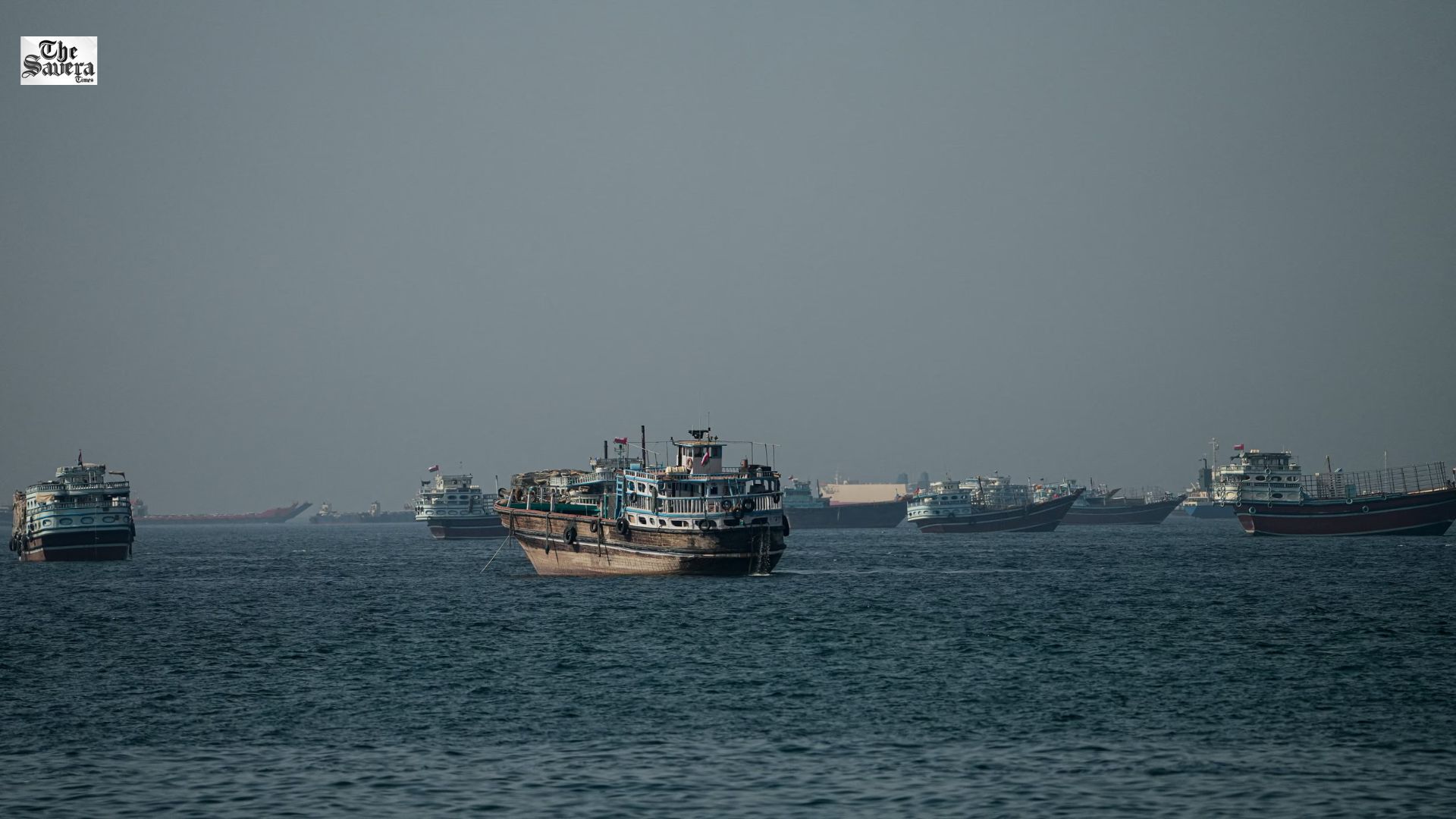
Global oil prices extended their gains for a third straight session as escalating tensions in the Gulf region and the continued deadlock in Iran-US peace negotiations fuelled concerns over potential disruptions to global energy supplies. Investors remain on edge amid renewed military hostilities and uncertainty surrounding the future of diplomatic efforts between Washington and Tehran.
Geopolitical Risks Drive Crude Higher
Brent crude and West Texas Intermediate (WTI) futures climbed sharply, with Brent nearing the $100-per-barrel mark. Market analysts attributed the rise to growing fears that the conflict could affect key oil transit routes, particularly the Strait of Hormuz, one of the world’s most important shipping corridors for crude exports. Recent military exchanges in the region have heightened concerns about supply security and prolonged instability.
Iran-US Talks Remain Stalled
Hopes of a breakthrough in negotiations between Iran and the United States have faded as diplomatic efforts continue to show little progress. The absence of a clear roadmap towards a peace agreement has added to market uncertainty, with traders increasingly sceptical about an early resolution to the crisis. Analysts say that any further delay in talks could keep energy markets volatile in the coming weeks.
Impact on Global Markets
The surge in oil prices has also affected broader financial markets. Rising energy costs have renewed concerns about inflation and economic growth, particularly for oil-importing nations. European markets have witnessed increased pressure, while investors worldwide continue to monitor developments in the Gulf for signs of either escalation or diplomatic progress.
Analysts believe that unless tensions ease and negotiations resume meaningfully, crude oil prices could remain elevated as markets continue to price in geopolitical risk and the possibility of further supply disruptions.
Omani co-pilot Hamam al-Hammami, accused of attacking the captain of a flydubai flight, reportedly told UAE interrogators he...

More than 1,000 people have been reported injured during student-led demonstrations in France. According to reports, the injured...

The death toll in the crash of a Nigerian military aircraft flying from Benin City to Lagos has...

Israel was prepared to shoot down Flydubai Flight FZ1073 carrying 174 people after a cockpit attack triggered a...
Hailey Pysadee, a 19-year-old law student representing Trinidad and Tobago, has won the Miss India Worldwide 2026 title...

Fifteen MPs from different political parties and regions have joined India’s delegation to the UN General Assembly, highlighting...