Last Updated: November 1, 2026
Last Updated: November 1, 2026





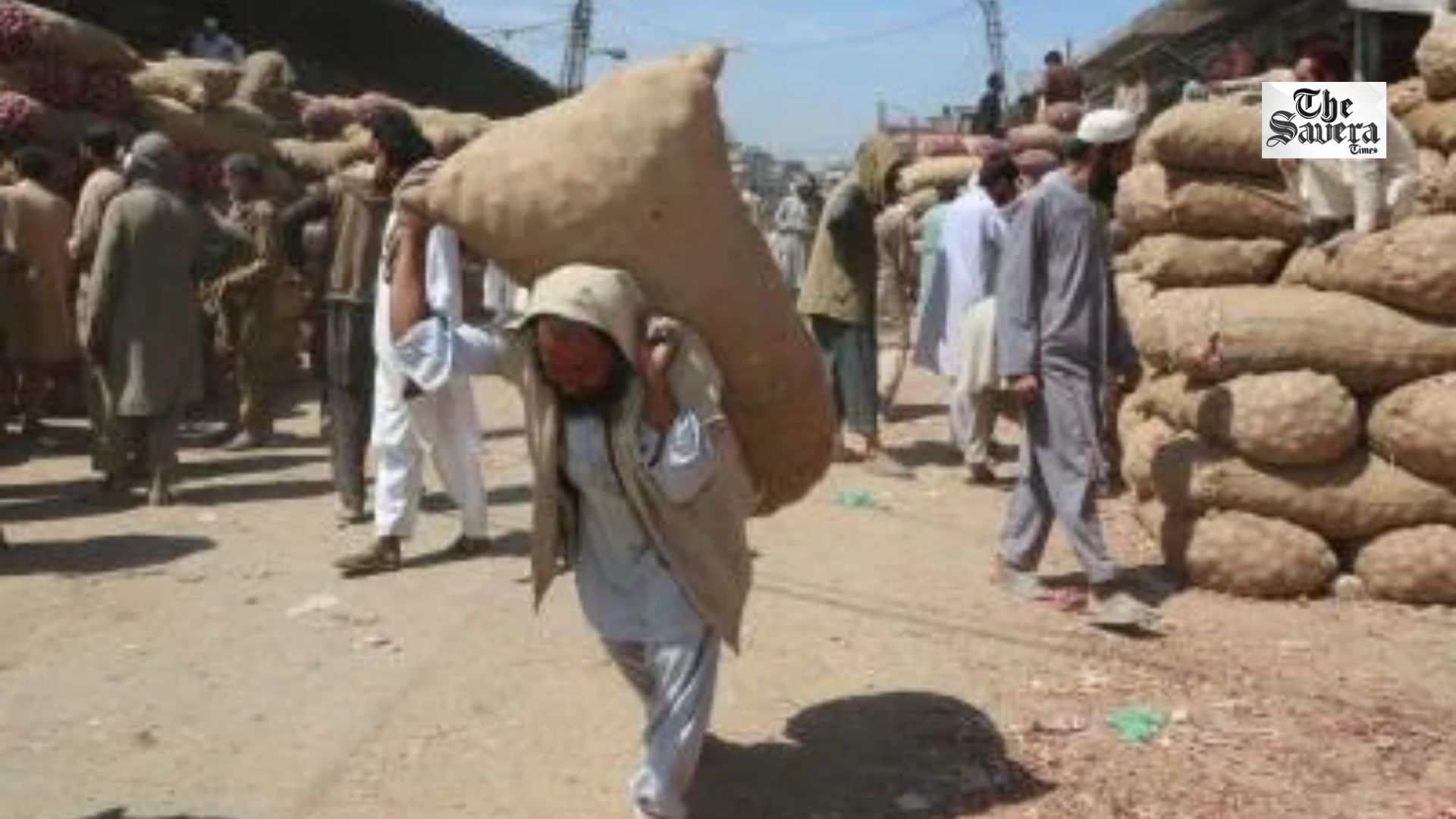
Washington: Pakistan is driving the increase in extreme poverty across the Middle East, North Africa, Afghanistan and Pakistan (MENAAP) region, with nearly 48 per cent of the region’s population living below the international extreme-poverty line residing in the country, according to a World Bank report.
The findings are part of the World Bank’s October 2026 Middle East, North Africa, Afghanistan and Pakistan Economic Update, which highlights the growing concentration of poverty in countries facing economic instability, conflict and climate-related challenges.
The report states that Afghanistan, Syria and Yemen together account for another 47 per cent of people in the region living below the poverty threshold of $3 per person per day, measured in 2021 purchasing power parity (PPP) terms.
The World Bank noted that MENAAP is the only region in the world where poverty remains above pre-pandemic levels and continues to increase. In 2024, around 14.3 per cent of the region’s population lived below the $3-a-day threshold, compared with 10.4 per cent globally.
Pakistan’s Poverty Rate Rises Amid Economic Pressures
The report highlights a significant deterioration in Pakistan’s poverty indicators following several years of economic difficulties.
Pakistan’s poverty rate at the international $3-a-day threshold increased by 6.4 percentage points between 2018-19 and 2024-25. At the $4.20-a-day threshold, it rose by 3.2 percentage points during the same period.
A separate World Bank assessment using Pakistan’s national poverty line found that the country’s poverty rate increased from 22 per cent in 2018-19 to 29 per cent in 2024-25, leaving approximately 70 million people living in poverty.
The World Bank attributed the deterioration to a combination of economic and climate-related shocks, including the COVID-19 pandemic, devastating floods in 2022, high inflation, currency depreciation and prolonged economic adjustments.
These pressures weakened household purchasing power, reduced real incomes and limited employment opportunities. Real wages in Pakistan declined by an average of 3.4 per cent annually between 2018-19 and 2024-25, while the country’s workforce continued to expand.
Economic Growth Forecast at 3.8 Per Cent for FY27
Despite the increase in poverty, the World Bank has projected Pakistan’s economy to grow by 3.8 per cent in the 2026-27 fiscal year, compared with 3.7 per cent in FY26.
The country’s fiscal deficit is projected to increase from 2.6 per cent of GDP in FY26 to 3.5 per cent in FY27. Inflation is also expected to rise to 8.2 per cent in FY27, partly due to higher energy costs.
The report further highlights the economic consequences of the conflict that began in the Persian Gulf in February 2026. The closure of the Strait of Hormuz has disrupted energy supplies and trade routes, putting additional pressure on regional economies.
Unlike previous energy crises, when oil-exporting countries often benefited from higher prices, Gulf oil producers have faced some of the steepest economic losses during the current conflict.
The World Bank projects that economies across the MENAAP region will contract by an average of 2.1 per cent in 2026, following growth of 3.3 per cent in 2025.
The economic impact extends beyond the energy sector, disrupting tourism, aviation and supply chains while increasing uncertainty in financial markets and weakening business confidence.
Pakistan, as an oil-importing economy, faces additional risks from higher fuel and commodity prices, reduced remittances from Gulf countries and rising borrowing costs.
The World Bank has warned that continued economic disruptions could further strain household finances, particularly among low-income families already struggling with inflation and limited employment opportunities.
The CBI has extradited Sourabh Chandrakar, a key accused in the Mahadev online betting app case, from Oman...

National Security Advisor Ajit Doval has arrived in Hanoi on an official visit to Vietnam. His visit comes...

Afghan security forces have dismantled eight clandestine heroin laboratories and arrested 17 suspected traffickers in Ghor province. The...

Trump says the US can strike Iran's remaining nuclear sites within 10 minutes and claims Tehran wants a...

Iran's top security official, Mohsen Rezaei, has warned that if Iran is attacked, Iran will use new weapons...
US President Donald Trump has suffered a major setback in his defamation suit against the Wall Street Journal...

Aries: The day will be auspicious...