New Delhi: Peace talks between Pakistan and Afghanistan in Istanbul, intended to cool tensions along the Durand Line, instead revealed a striking diplomatic breakdown.
Talks Marked by Tension and Mistrust
What began as a high-stakes bid to prevent further border clashes and restore confidence quickly devolved into confusion, contradictory messaging, and open frustration among mediators, according to a report by Khamma Press.
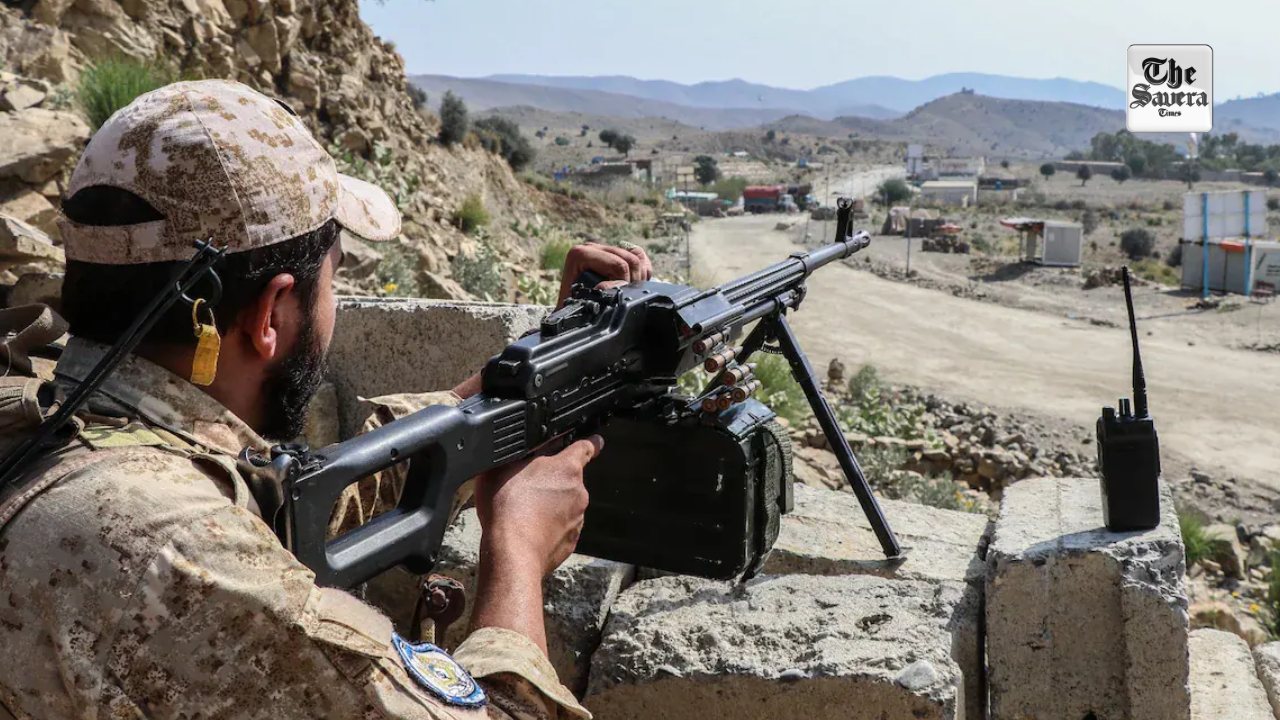
The negotiations followed repeated armd skirmishes and rising fears over cross-border militancy.
Islamabad’s delegation demanded Kabul act decisively against the Tehrik-i-Taliban Pakistan (TTP), while Afghanistan sought written assurances that Pakistan would halt alleged airspace violations.
Analysts say both countries arrived with rigid positions and unrealistic expectations, leaving little room for compromise.
Escalating Rhetoric and Diplomatic Missteps
Social media erupted within hours of the opening session, with unverified claims and partisan narratives fueling distrust.
Afghan commentators accused Pakistan of inflexibility, while Islamabad charged Kabul with avoiding responsibility over terror networks. With neither side offering verifiable information, the information vacuum intensified tensions, the report said.
The talks were further strained when Pakistan’s Defence Minister Khawaja Asif warned that Pakistan could “obliterate” the Taliban government if provoked — a remark that drew outrage in Afghan media and was seen as undermining Pakistan’s credibility as a stable regional actor.
In one pivotal moment, Pakistan’s delegation reportedly agreed to consider Afghanistan’s reciprocal security guarantee, only to reverse its stance after consultations with Islamabad. The abrupt shift, described in the Khamma Press report, embarrassed Qatari facilitators and deepened doubts over Pakistan’s policy coherence and civil-military coordination.
Mediation Efforts and Regional Implications
Eventually, Turkish and Qatari mediation salvaged a joint statement and extended a fragile ceasefire, but deep mistrust remained. The episode, observers say, highlighted Islamabad’s struggle to align diplomatic and security priorities at a time when economic pressures and insurgency threats already stretch state capacity.
Regional analysts warn that continued missteps risk alienating key partners, complicating Pakistan’s economic diplomacy, and further destabilising its western frontier.
For durable peace, experts argue, Pakistan must abandon coercive rhetoric, build trust-based mechanisms, and invest in border communities, while Afghanistan must move decisively against anti-Pakistan militants.