Last Updated: October 13, 2026
Last Updated: October 13, 2026





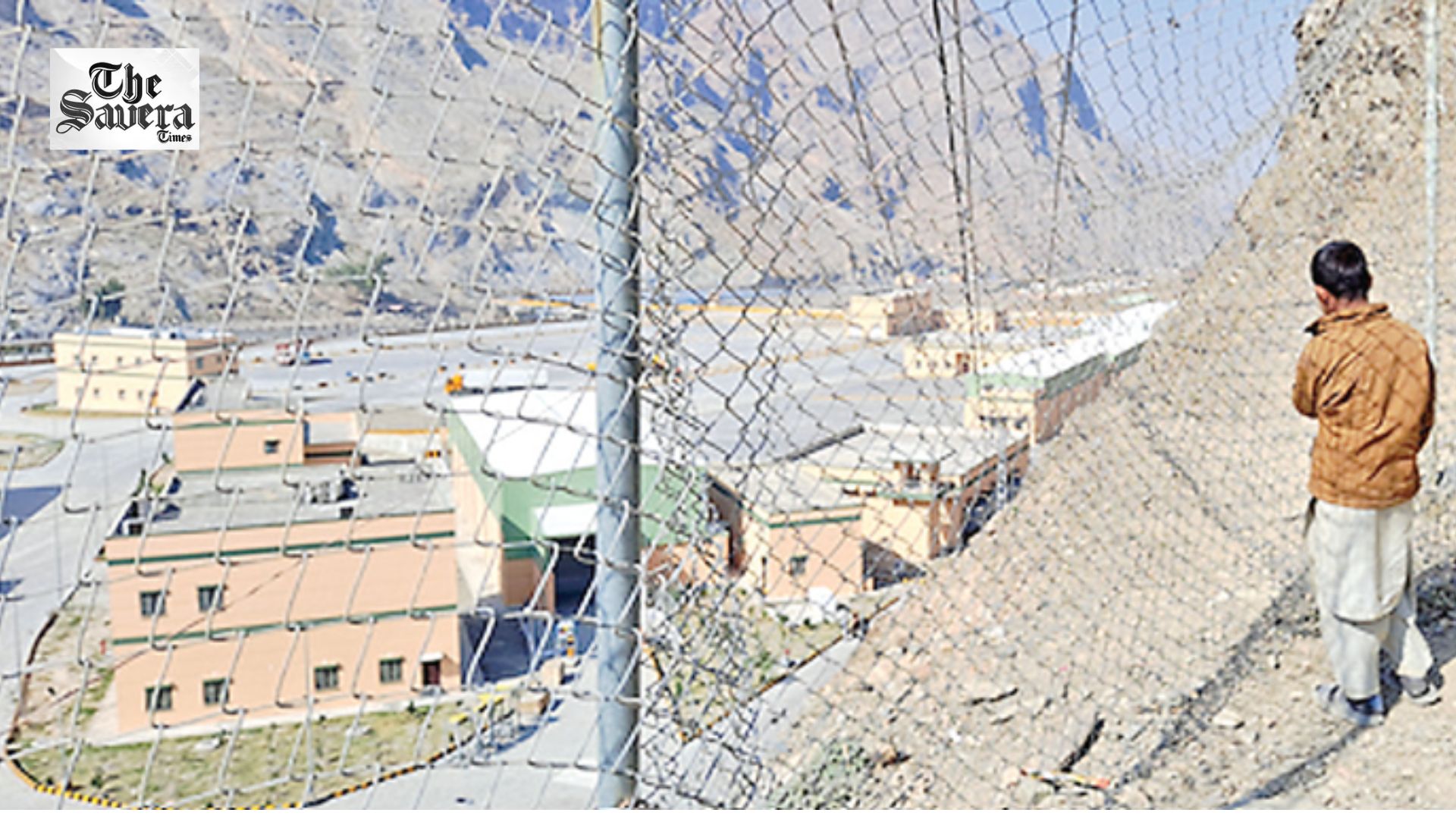
The frontier between Pakistan and Afghanistan, which has historically remained volatile, is entering a new phase of confrontation as none of the two sides is indicating willingness to step back. Recently, Taliban authorities announced that Afghanistan had conducted overnight airstrikes in Pakistan, a move if confirmed, would be one of the most assertive actions taken by the group since seizing power in August 2021.
In a statement issued on June 19, Afghanistan’s Ministry of Defence said that its forces carried out overnight airstrikes against what it said were ISISlinked facilities in Balochistan and Khyber Pakhtunkhwa provinces of Pakistan. The ministry said that the places that were targeted were allegedly being used to plan and coordinate attacks against Afghanistan.
The ministry said “important and designated targets” were successfully hit during these airstrikes. It warned that Afghanistan would act decisively against groups that it considers a danger to the country. The outlet emphasized that the strikes come at a time when Pakistan has intensified pressure on the Taliban over the presence of Tehreek e Taliban Pakistan (TTP) militants, whom Islamabad accuses Kabul of sheltering. The Taliban deny the allegation. Residents in Balochistan said they heard explosions overnight, however, independent verification remains limited. Taliban’s recent announcement seems to be aimed at showcasing strength domestically and regionally.
Taliban’s statement stressed that Afghanistan would “eliminate threats in the embryo,” indicating a desire to showcase themselves as being capable of protecting national sovereignty — a stance they have consistently taken to bolster internal legitimacy. But analysts warn that such actions risk deepening instability. Pakistan and Afghanistan share a long, porous crossing Durand Line where militant groups have operated for decades. Both governments accuse each other of harboring hostile networks, and both deny responsibility.
US President Donald Trump says Vladimir Putin may be more willing than Volodymyr Zelenskyy to reach a peace...

A magnitude 6.1 earthquake struck Panama early Tuesday at a depth of 10 kilometres. The tremor followed a...

US President Donald Trump has indicated the possibility of meeting North Korean leader Kim Jong Un during his...
Donald Trump has denied involvement in the federal investigation involving Congresswoman Ilhan Omar after agents searched her Washington...
Yemen's Houthis have claimed a new missile strike on Riyadh airport, while Iran has offered to facilitate dialogue...
As the United States and China intensify their competition for leadership in artificial intelligence (AI), a new study...

Aries: The day will be auspicious...