Last Updated: October 19, 2026
Last Updated: October 19, 2026





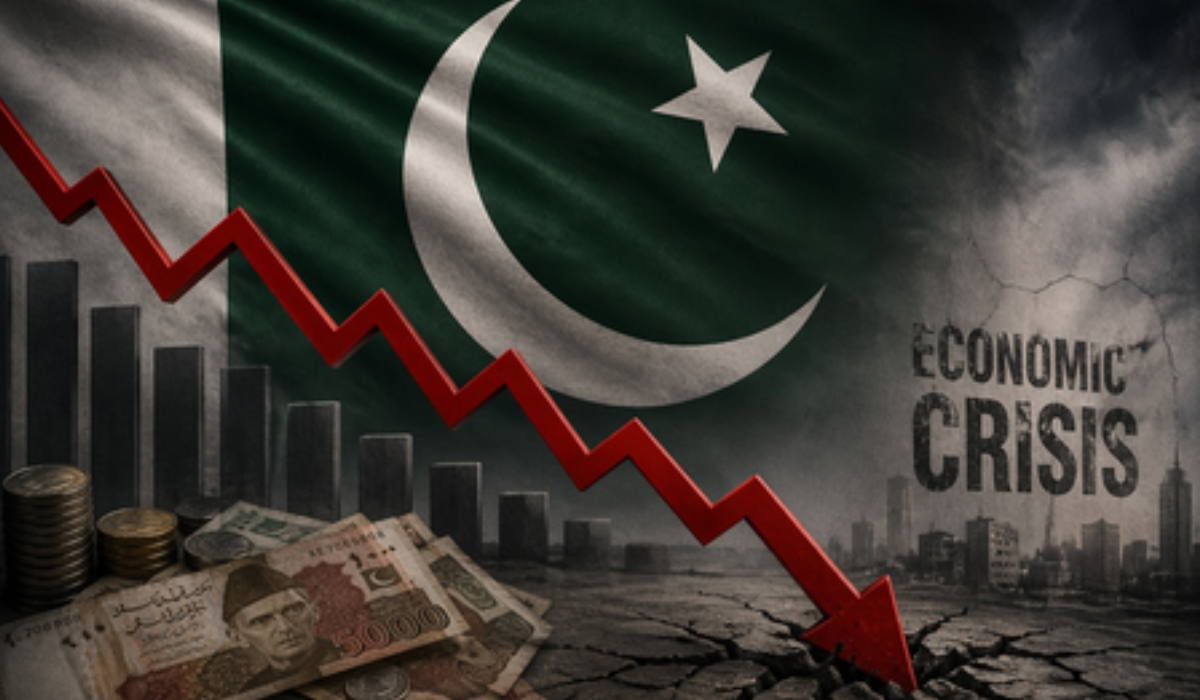
New Delhi: Pakistan is among the 10 countries most affected by the global food crisis. According to a report, food insecurity in Pakistan is worsening due to economic pressures, climate-related challenges, and declining access to food aid.
According to an analysis by Profit by Pakistan Today, approximately 266 million people in 47 countries and territories around the world are facing severe hunger. This number is nearly double the figure recorded about a decade ago.
The report states that approximately 177 million of these people, or nearly two-thirds of the affected population, live in 10 countries. In addition to Pakistan, this list includes Afghanistan, Bangladesh, Nigeria, the Democratic Republic of the Congo, Sudan, Yemen, Myanmar, South Sudan, and Syria.
10.6 million people in Pakistan affected by food insecurity
According to the report, Pakistan’s inclusion in these 10 countries reflects the total number of people affected by food crises there. It does not mean that these countries have the highest proportion of the population affected by hunger.
Approximately 10.6 million people in 51 rural areas of Pakistan are facing severe food insecurity. Climate change-related events and changes in natural conditions are further exacerbating the difficulties of vulnerable communities.
According to the report, the share of households facing moderate or severe food insecurity in Pakistan was 15.92 percent in 2018-19. This increased to 24.35 percent in 2024-25, an increase of 8.43 percentage points. Now, approximately one in four households in the country is affected by this problem.
Cases of severe food insecurity more than double
The situation of severe food insecurity has also worsened in Pakistan. According to the report, the proportion of households affected by severe food insecurity was 2.37 percent in 2018-19, which increased to 5.04 percent in 2024-25.
This means that approximately one in every 20 households is facing severe challenges related to food access.
The report also notes a decline in food consumption. Comparing both survey periods, average monthly per capita consumption of several staple foods, including wheat, rice, pulses, meat, eggs, and milk, decreased.
However, vegetable ghee consumption increased by approximately 81 percent during the same period.
Inflation increased by approximately 117 percent in six years
According to the report, rising inflation in Pakistan is also one of the major factors worsening the food crisis. According to data from the Pakistan Bureau of Statistics (PBS), the country’s national consumer price index increased from 121.6 in June 2019 to 264.2 in June 2025, representing an increase of approximately 117 percent during this period.
Inflation, along with damage caused by climate change, has also increased economic pressure on rural families. Declining agricultural production and impacting rural families’ incomes have led many families to become increasingly dependent on purchased food for food.
According to the report, when families’ incomes are already limited, reduced crop production, livestock losses, or disruptions to market access impact both food availability and affordability. This makes it even more difficult for economically vulnerable families to meet their food needs.
US Secretary of State Marco Rubio indicated on Monday that a trade agreement between the US and India...

Israeli Prime Minister Benjamin Netanyahu has warned that a future US president could take a hostile stance towards...

French President Emmanuel Macron has promised strict legal action against rioters following widespread violence and looting. His government...

Russian President Vladimir Putin has reportedly proposed a meeting with US President Donald Trump and Chinese President Xi...

US President Donald Trump has defended waiving additional sanctions and tariffs on Russia and major buyers of its...

Indian-American candidates are contesting key US midterm races in Texas, Florida, Arizona and other locations as early voting...

Aries: The day will be auspicious...