


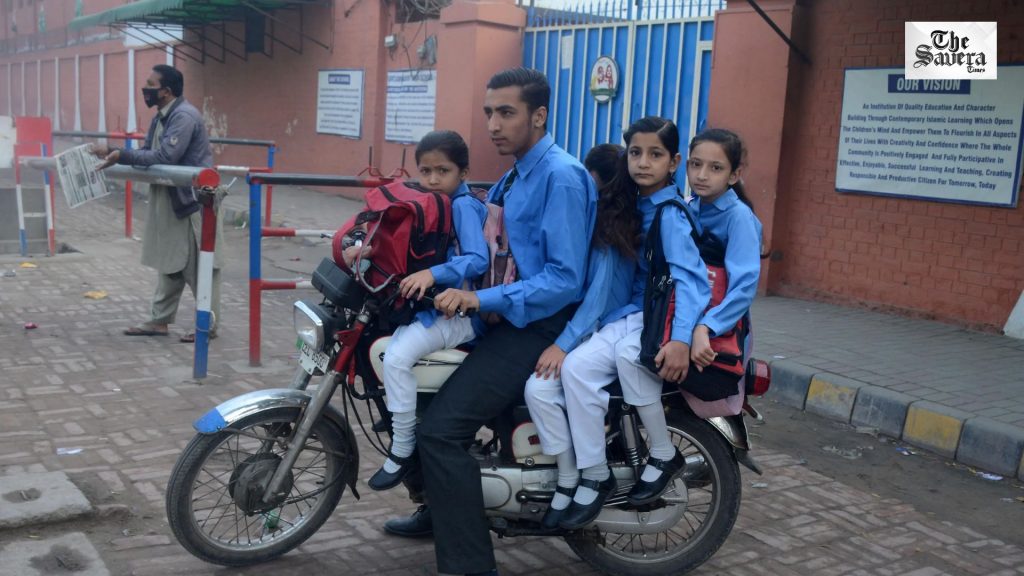
A recent report has highlighted a serious crisis in Pakistan’s education system, pointing to chronic underfunding, weak learning outcomes, and millions of children being left behind. The findings paint a troubling picture of a sector struggling to deliver basic education despite years of policy efforts.
Millions of Children Out of School
According to the report, over 25 million children in Pakistan are currently out of school, one of the highest figures globally. Even among those enrolled, learning levels remain alarmingly low, raising concerns about the overall quality of education.
Learning Crisis: Majority of Children Lack Basic Skills
One of the most shocking revelations is that around 77% of ten-year-old children cannot read and understand a simple sentence. Experts warn that this reflects a severe learning crisis, where schooling does not necessarily translate into education.
Chronic Underfunding Weakens the System
The report highlights that Pakistan’s education spending has remained well below global benchmarks, often hovering around or below 2% of GDP. Inflation and weak financial planning have further reduced the real value of education budgets, affecting infrastructure, teacher quality, and learning resources.
Structural Issues and Policy Gaps
The crisis is not just financial it is also structural. Key challenges include the following:
- Poor teacher training and shortages
- Lack of proper learning materials
- Weak assessment systems
- Regional and socio-economic disparities
These long-standing issues continue to hinder progress in the sector.
Urgent Need for Reforms
Education experts are calling for urgent reforms, including increased funding, better teacher training, and improved accountability systems. Without immediate action, analysts warn that Pakistan risks creating a large under-skilled population, which could impact long-term economic growth and social stability.