Last Updated: November 6, 2026
Last Updated: November 6, 2026





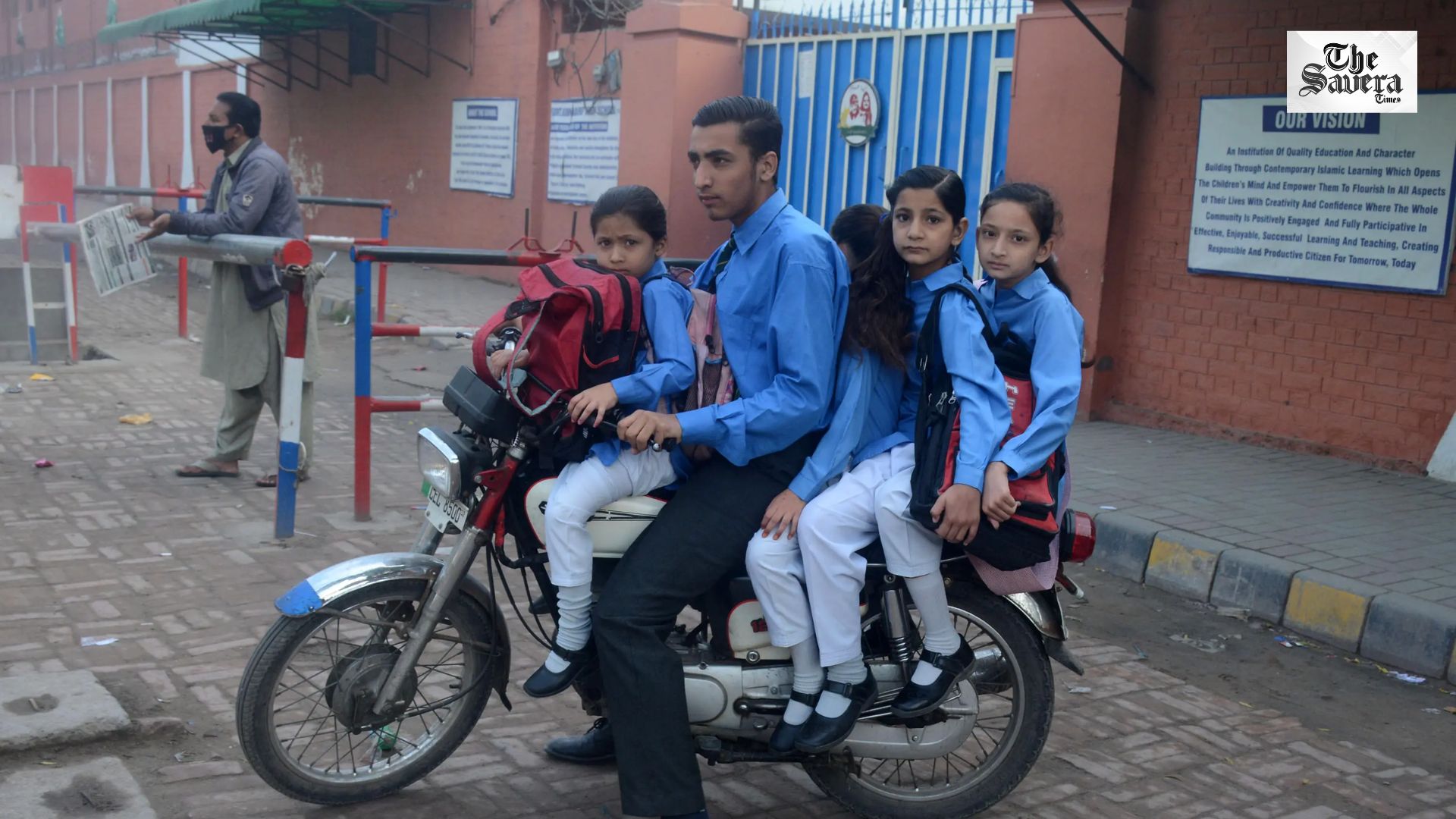
A recent report has highlighted a serious crisis in Pakistan’s education system, pointing to chronic underfunding, weak learning outcomes, and millions of children being left behind. The findings paint a troubling picture of a sector struggling to deliver basic education despite years of policy efforts.
According to the report, over 25 million children in Pakistan are currently out of school, one of the highest figures globally. Even among those enrolled, learning levels remain alarmingly low, raising concerns about the overall quality of education.
One of the most shocking revelations is that around 77% of ten-year-old children cannot read and understand a simple sentence. Experts warn that this reflects a severe learning crisis, where schooling does not necessarily translate into education.
The report highlights that Pakistan’s education spending has remained well below global benchmarks, often hovering around or below 2% of GDP. Inflation and weak financial planning have further reduced the real value of education budgets, affecting infrastructure, teacher quality, and learning resources.
The crisis is not just financial it is also structural. Key challenges include the following:
These long-standing issues continue to hinder progress in the sector.
Education experts are calling for urgent reforms, including increased funding, better teacher training, and improved accountability systems. Without immediate action, analysts warn that Pakistan risks creating a large under-skilled population, which could impact long-term economic growth and social stability.
A magnitude-6.1 earthquake struck off the coast of Tokyo in Japan’s Kanto region on Friday evening. The Japan...
The number of multicultural marriages in South Korea edged down in 2025 from a year earlier, data showed,...

An 18-year-old girl was allegedly killed by her uncle in a suspected honour killing in Pakistan's Khyber Pakhtunkhwa....
US President Donald Trump has questioned the US law banning the import of petroleum products from Russia. He...
Eleven people were killed and 33 others injured in a horrific road accident in Pakistan's Punjab province on...
US President Donald Trump is considering whether to resume military strikes on Iran after the Republican midterm setback....