Last Updated: September 22, 2026
Last Updated: September 22, 2026





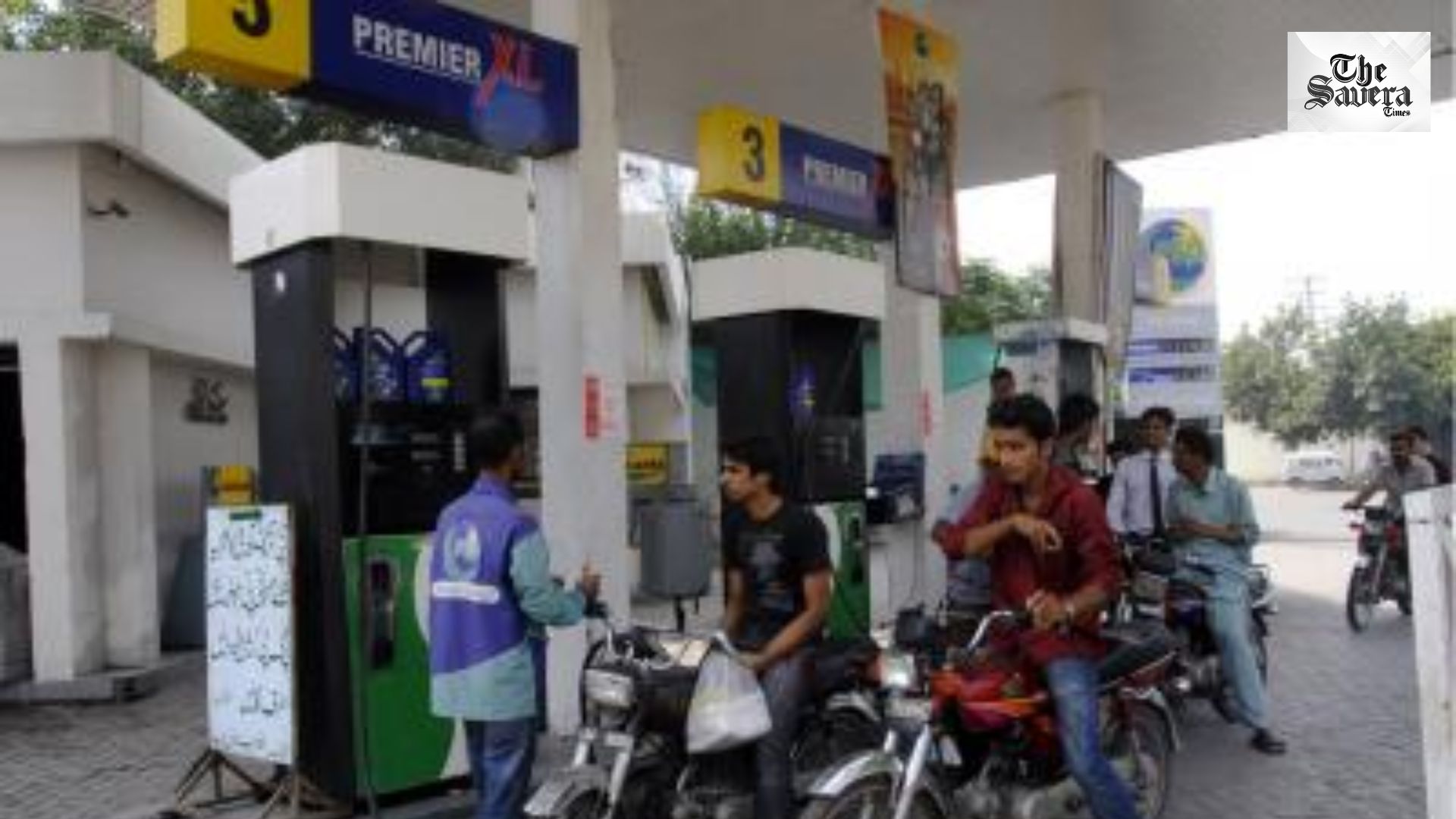
Pakistan is grappling with a severe fuel crisis that has left citizens and industries scrambling for solutions. Rising global oil prices, supply disruptions, and heavy reliance on imports have triggered sharp fuel price hikes, empty pumps, and growing anxiety across the country.
Petrol and diesel prices have surged by nearly 20 percent, pushing petrol above PKR 321 per litre. For ordinary Pakistanis, this increase is more than just numbers—it’s a tangible impact on daily commuting, food prices, and household budgets. Long queues at petrol stations and panic buying have become common sights in major cities.
The heart of the problem lies in Pakistan’s dependence on imported fuel. Over 80 percent of the country’s oil needs come from overseas, making it vulnerable to global shocks. Geopolitical tensions in the Middle East, particularly near the Strait of Hormuz, have disrupted shipments, leaving reserves dangerously low. Some reports indicate that petrol and diesel stock could last just a few weeks in certain regions.
To manage the crisis, the government has rolled out a mix of emergency measures and austerity steps. Offices and schools have been asked to adopt reduced working hours or work-from-home policies, and authorities are exploring alternative supply routes to secure essential oil shipments.
While these measures are aimed at conserving fuel, they also underscore the broader economic strain. Industries reliant on transportation are facing rising costs, and inflation is putting further pressure on ordinary citizens.
The crisis is more than numbers—it affects people’s daily lives. Commuters face longer travel times and higher expenses, businesses are grappling with disrupted supply chains, and basic goods are seeing rising costs. The government’s austerity measures, including potential salary cuts in state sectors, highlight the severity of the situation.
Experts warn that the crisis may continue in the short term, depending on global developments and supply stability. In the long term, reducing dependence on imported fuel and investing in domestic and renewable energy sources will be key for Pakistan’s energy security.
For now, the Pakistan fuel crisis 2026 remains a pressing challenge, testing the resilience of households, industries, and the economy at large. Citizens are bracing for a period of high costs and constrained fuel availability, hoping for relief from global and local solutions.
Mumbai: The Indian equity markets inched up slightly on Tuesday morning, tracking positive global cues and correction in...

New York: Donald Trump made an unusual visit for a sitting president to the official residence of the...

Sacramento: Two pilots were killed when a contract helicopter crashed while supporting firefighting operations on the Dome Fire,...
As Chinese research vessels operate in waters around Taiwan, Beijing has maintained that they are conducting only marine...

The RBI accepted Rs 25,000 crore in its second OMO sale, with bids worth Rs 84,982 crore received...
The All India Mobile Retailers Association has sought exemption for small and medium mobile retailers from proposed UPI...

Aries: The day will be auspicious...