Last Updated: October 25, 2026
Last Updated: October 25, 2026





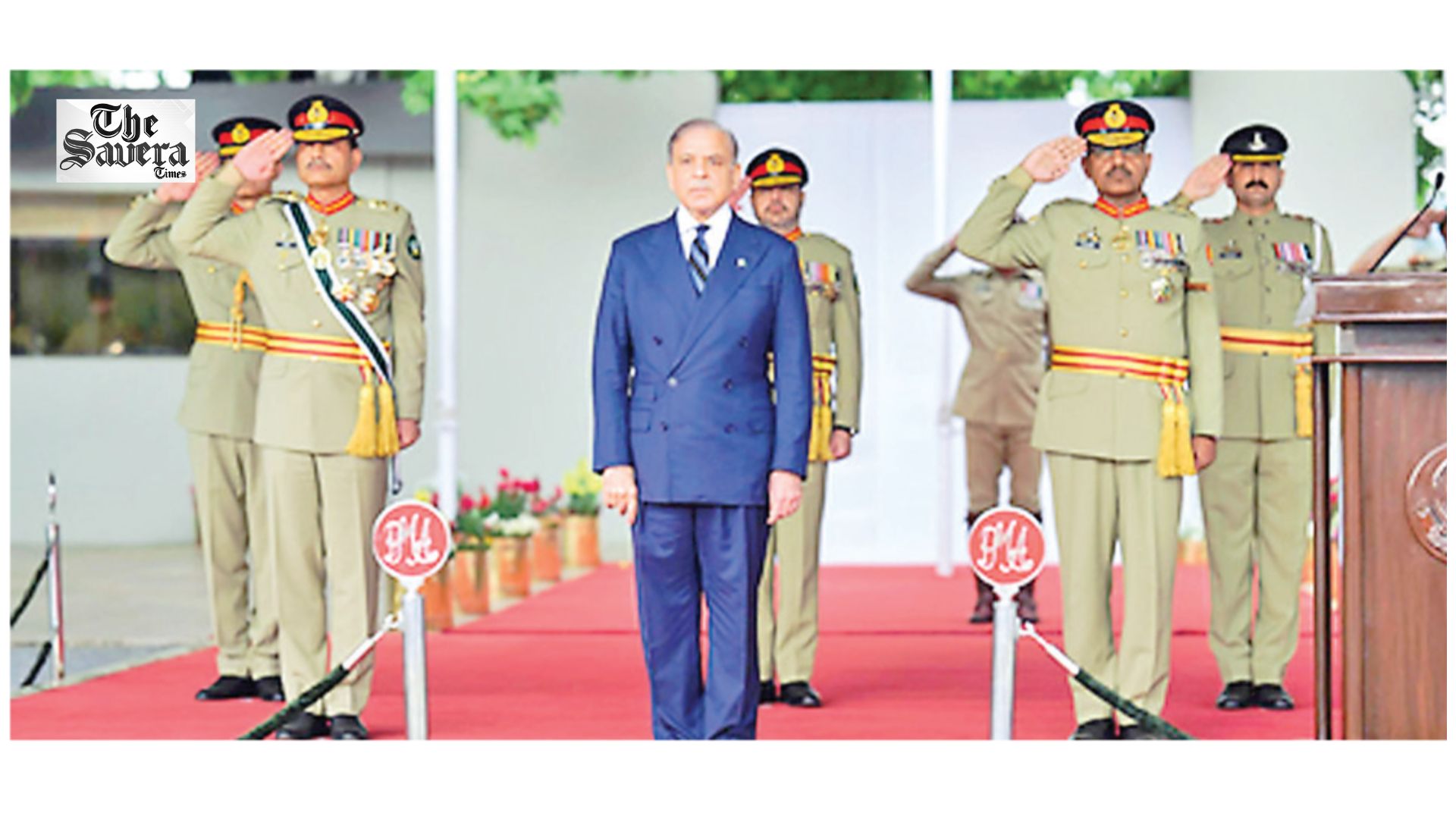
The governance crisis in Pakistan has been caused by flawed policies, failure to reform, elite interests, chronic instability and the headwinds from geopolitical reforms. Pakistan’s Interior Minister Mohsin Naqvi recently said that the governance system in Pakistan has collapsed and called for more provinces as well as administrative units. However, he did not explain what collapse implied and how new provinces would address the issues faced by Pakistan. Pakistan’s governance crisis has been caused by the number of provinces is not right.
Under Pakistan’s constitution, there is a clear process for making any changes to the provinces. However, Naqvi’s proposal implied that the changes in the number of provinces can be introduced by executive fiat. Naqvi’s remarks come at a time when active insurgency is reported in one province, another faces rising militant violence, while widespread protests and unrest is reported in Pakistanoccupied Kashmir (PoK).
Those who wanted to link Pakistan’s provincial structure and its governance failures do not know why the country is facing so many serious, overlapping challenges. Political instability is the core driver of Pakistan’s governance failures. Continuous reliance by Pakistan’s civilian and military governments on dysfunctional and unsustainable economic policies are a major contributor to the challenges faced by the country. The governance challenges in Pakistan have further increased due to repercussions of protracted foreign engagements and the fault lines of regional geopolitics. Elite interests, flawed policies, failure to reform, chronic instability and the headwinds from geopolitical storms are all drivers of Pakistan’s governance crisis. It is not the number of provinces or the administrative architecture that are the source of the crisis.
Improvements in provincial efficiency and delivery are certainly needed. But to justify altering the Constitution’s provincial framework using disingenuous arguments does no service to the country. Last month, Naqvi said that Pakistan’s current governance system has collapsed and is unable to resolve the issues faced by the country. In his address at the Pakistan Economic Summit, Naqvi called for talks among political parties to introduce reforms in the current governance system and proposed the creation of new provinces and bringing administrative reforms. The system we are living under has collapsed. Problems cannot be solved through it. Pakistan will continue to discuss the same issues even after 10 years if this system continues and stressed that a reset was important.
Abu Dhabi: The West Indies’ explosive batting power and all-round depth will be a major feature of the...

Barack Obama attacked Donald Trump over the Iran war, rising fuel prices, tariffs and immigration policies at a...

Donald Trump has indicated that the US could resume strikes on Iran on Sunday as efforts to secure...

Tehran: Iran’s Supreme Leader Mojtaba Khamenei has stressed the need for “serious” efforts to pursue the Iranian people’s...
Kyiv: Ukrainian President Volodymyr Zelensky said Ukraine was prepared to freeze combat operations along the existing frontlines to...

Rome: Protests over rising living costs, military expansion and increased arms spending swept across several Italian cities, with...

Aries: The day will be auspicious...