Last Updated: November 7, 2026
Last Updated: November 7, 2026





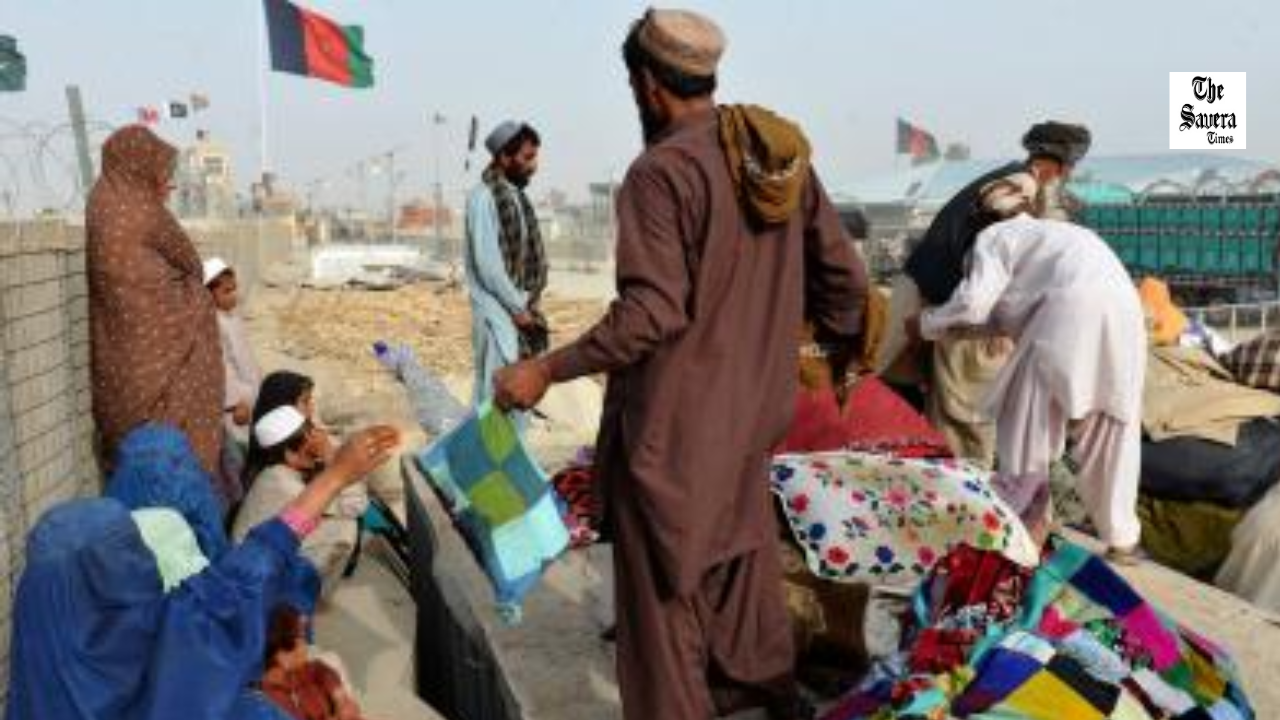
In a significant development reported on December 27, 2025, more than 2,370 Afghan refugees were forcibly deported from Pakistan and Iran back into Afghanistan in a single day, according to a Taliban official’s announcement. The mass returns took place amid intensified pressure by both neighbouring states on Afghan migrants staying within their borders.
Taliban deputy spokesperson Mullah Hamdullah Fitrat shared figures from the High Commission for Addressing Migrants’ Issues indicating that 501 families totalling 2,370 people were sent back on Friday. The movement of returnees reflects ongoing, increasingly frequent deportation campaigns by both Pakistan and Iran.
The Afghan returnees were repatriated through multiple major crossing points along the Afghanistan border, including Islam Qala in Herat, Pul-i-Abresham in Nimroz, Spin Boldak in Kandahar, Bahramcha in Helmand, and Torkham in Nangarhar.
Upon return, Taliban authorities say the deported families were transported to their respective home regions, though details on reception facilities and conditions vary by location. Local officials also reported that a portion of families received additional assistance such as basic supplies upon arrival, and telecommunications providers distributed SIM cards to facilitate contact and coordination.
This recent wave of deportations follows earlier reports of thousands of Afghan refugees being repatriated from Pakistan and Iran as part of broader regional pressures on migrants. In the days leading up to this incident, another 2,400 Afghan refugees were reportedly repatriated from the two countries.
The mounting deportations fuel a growing humanitarian concern. Rights groups and UN agencies have repeatedly highlighted that mass and forced returns pose serious risks to refugees particularly women, children and those fleeing conflict or persecution and urge that returns should be voluntary, safe, and dignified.
International bodies have also criticised blanket deportation policies that violate the principle of non-refoulement which prohibits returning refugees to situations where their safety cannot be guaranteed. Observers warn that the accelerated repatriation of Afghan refugees could exacerbate humanitarian needs in Afghanistan, where resources are already strained.
The recent deportations form part of a wider regional pattern of Afghan refugee returns. According to UN and refugee agency data, millions of Afghan nationals have been returned from neighbouring countries in 2025 alone, driven by government crackdowns and changing asylum policies in host states.
Pakistan and Iran historically significant hosts to Afghan refugees have indicated that rising security concerns and economic pressures underpin their deportation drives. Meanwhile, Afghanistan’s interim authorities continue to coordinate reception and resettlement, even as international humanitarian groups call for protective measures for returnees.
A mural of Rabindranath Tagore at Bangladesh's Khulna Railway Station was defaced with black ink. Police have launched...

US President Donald Trump has described the confrontation with Iran as “not a war”, claiming Washington has made...

American governors and federal leaders celebrated Diwali while recognising the contributions of Indian Americans. President Donald Trump received...

Washington: A 30-year-old Venezuelan national was arrested near the White House after US Secret Service agents discovered three...

Washington: US President Donald Trump outlined plans for a sprawling aerospace exhibition venue at Florida’s former space shuttle...

Eight months after the US-Iran war, Iran has allowed Indian cargo ships to pass through the Strait of...

Aries: The day will be auspicious...