Last Updated: October 21, 2026
Last Updated: October 21, 2026





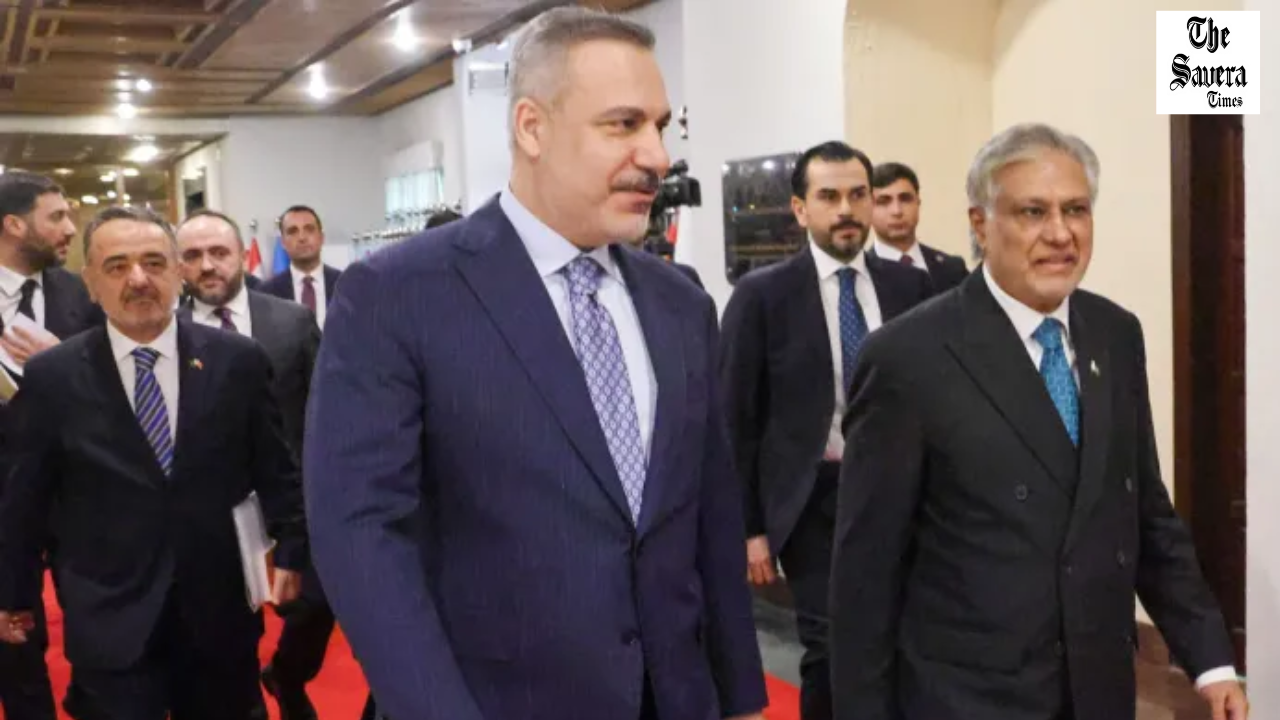
Pakistan hosted top diplomats from Saudi Arabia, Turkey, and Egypt in Islamabad for crucial discussions aimed at de-escalating the ongoing war involving Iran. The high-level meeting comes amid rising tensions in West Asia and growing concerns over regional stability.
Foreign ministers from these countries gathered to explore ways to reduce hostilities and promote dialogue, positioning Pakistan as a key diplomatic player in the crisis.
The primary focus of the talks was to find pathways to reduce tensions and avoid further escalation in the conflict. Officials discussed strategies to encourage restraint, cease hostilities, and open channels for negotiations.
Pakistan has been actively pushing for diplomatic solutions and has offered to act as a mediator between conflicting sides. The discussions highlighted a shared commitment among participating nations to prioritise peace and stability in the region.
The diplomatic engagement comes at a time when the war involving Iran has intensified significantly. The conflict has spread across multiple countries, with missile strikes, drone attacks, and military operations affecting large parts of the Middle East.
Thousands of people have reportedly been killed, and the conflict has disrupted global energy supplies and shipping routes, particularly around the strategic Strait of Hormuz.
The situation has raised fears of a broader regional war, prompting urgent diplomatic interventions.
Pakistan is attempting to position itself as a neutral mediator in the crisis, maintaining ties with both Iran and Gulf countries. The government has been engaging in what officials describe as “shuttle diplomacy,” communicating with multiple stakeholders to ease tensions.
Prime Minister Shehbaz Sharif has been actively reaching out to regional leaders, while Foreign Minister Ishaq Dar has held bilateral meetings with counterparts from participating countries to strengthen coordination.
Pakistan has also proposed hosting further negotiations, including possible indirect talks between major global powers involved in the conflict.
The presence of diplomats from Saudi Arabia, Turkey, and Egypt underscores the importance of collective regional efforts to address the crisis. These countries have significant influence in the Middle East and are directly affected by the ongoing conflict.
Their participation reflects a growing consensus that diplomatic engagement is essential to prevent further escalation and protect economic and security interests across the region.
Despite ongoing talks, achieving a breakthrough remains challenging. Continued military actions, including airstrikes and retaliatory attacks, have complicated efforts to establish trust between conflicting parties.
Differences over key issues such as security guarantees, territorial control, and military presence continue to hinder progress.
Analysts warn that without immediate de-escalation; the conflict could spiral into a wider war involving more countries.
The war has far-reaching global consequences, particularly for energy markets and international trade. Disruptions in oil and gas supply routes have already led to volatility in global prices.
Countries across the world are closely monitoring developments, as prolonged instability in the region could impact economies and security worldwide.
Protests in Jakarta, Yogyakarta and Bandung brought students onto the streets over rising costs, forest fires and civil...
Organisations linked to Neville Roy Singham are under US congressional scrutiny over funding. Their coverage of protests in...
US President Donald Trump says Washington and New Delhi are close to a trade agreement that will differ...
Iran has ruled out transferring its enriched uranium stockpile outside the country, with security official Mohsen Rezaei reiterating...
Donald Trump has urged Volodymyr Zelensky to pursue a peace deal with Russia, warning that Ukraine could face...
Pakistan, battling insurgencies at home and tensions along multiple borders, is too overstretched to offer meaningful military support...
Aries: The day will be auspicious...